Introduction to Meal Prepping for Healthy Eating
Meal prepping is the practice of preparing meals or ingredients ahead of time to make eating healthier and more convenient. It involves planning and cooking meals in advance to ensure you have nutritious options readily available. This proactive approach to meal planning can have numerous benefits for your health and well-being.
Benefits of Meal Prepping
- Control Portion Sizes: By prepping your meals, you can portion out your food in advance, helping you avoid overeating and maintain a balanced diet.
- Save Time: Meal prepping allows you to save time during the week by having meals ready to go, reducing the need for last-minute cooking or takeout.
- Healthier Choices: When you have healthy meals prepared and easily accessible, you are more likely to make nutritious choices, leading to better overall health.
Importance of Planning Ahead
- Ensure Balanced Nutrition: Planning your meals in advance allows you to ensure you are getting a variety of nutrients in your diet, promoting better health and well-being.
- Reduce Stress: Knowing what you will be eating throughout the week can reduce stress and anxiety around meal times, making it easier to stick to a healthy eating plan.
- Save Money: Meal prepping can help you save money by reducing food waste and limiting the need for expensive last-minute dining options.
Planning Your Meals for Meal Prep: How To Meal Prep For Healthy Eating
Meal prepping is a great way to stay on track with your healthy eating goals throughout the week. One of the key aspects of successful meal prep is proper planning. Here are some tips on how to plan your meals effectively for meal prepping:
Include a Variety of Food Groups
When planning your meals for the week, it’s important to include a variety of food groups to ensure you are getting a wide range of nutrients. Aim to incorporate fruits, vegetables, whole grains, lean proteins, and healthy fats into your meal plan. This will help you maintain a balanced diet and prevent nutrient deficiencies.
- Make a list of different fruits and vegetables you enjoy and incorporate them into your meals.
- Choose a variety of proteins such as chicken, fish, beans, and tofu to keep your meals interesting and nutritious.
- Opt for whole grains like brown rice, quinoa, and whole wheat pasta to add fiber and nutrients to your meals.
- Include healthy fats from sources like avocados, nuts, and olive oil to support brain function and overall health.
Create a Balanced Meal Plan
To ensure that your meals are balanced and provide you with the necessary nutrients, it’s essential to create a meal plan that covers all the food groups. Here’s how you can create a balanced meal plan for meal prepping:
- Start by planning your meals for the week ahead, including breakfast, lunch, dinner, and snacks.
- Divide your plate into sections for proteins, carbohydrates, vegetables, and fats to ensure a balanced meal.
- Use a variety of cooking methods such as baking, grilling, and sautéing to add flavor and texture to your meals.
- Prep your meals in advance by chopping vegetables, marinating proteins, and cooking grains to save time during the week.
Preparing Ingredients for Meal Prep
When it comes to meal prep, efficient ingredient preparation is key to saving time and ensuring a smooth cooking process. Using fresh and whole ingredients not only enhances the flavor and nutritional value of your meals but also contributes to your overall well-being. Here are some strategies to help you streamline the ingredient preparation process for your meal prep sessions.
Organize Your Ingredients, How to meal prep for healthy eating
- Before you start cooking, gather all the ingredients you need for your recipes. This will help you stay organized and avoid last-minute trips to the store.
- Chop, slice, and dice your vegetables and proteins in advance to save time during the cooking process.
- Store prepped ingredients in airtight containers or resealable bags to keep them fresh until you’re ready to use them.
Batch Cooking
- Consider batch cooking certain ingredients like grains, proteins, and sauces to use in multiple meals throughout the week.
- Batch cooking allows you to save time and energy by preparing larger quantities of food at once.
- Portion out batch-cooked ingredients into individual containers for easy grab-and-go meals during the week.
Use Flavorful Seasonings
- Experiment with different herbs, spices, and marinades to add flavor to your meals without relying on unhealthy sauces or condiments.
- Pre-mix your favorite seasoning blends in advance to add a boost of flavor to your dishes with minimal effort.
- Consider marinating proteins overnight to enhance their taste and tenderness before cooking.
Cooking and Storing Meals for the Week
When it comes to meal prepping for the week, cooking and storing your meals properly is crucial to maintaining freshness and ensuring your food stays safe to eat throughout the week.
Different Cooking Methods Suitable for Meal Prepping
- Cooking methods like baking, grilling, sautéing, and steaming are great options for meal prepping as they allow you to cook large batches of food at once.
- Using a slow cooker or instant pot can also be convenient for preparing meals in advance, especially for dishes like soups, stews, and casseroles.
- Consider marinating proteins ahead of time to add flavor and save cooking time when you’re ready to prepare your meals.
Tips on Proper Food Storage to Maintain Freshness
- Allow cooked food to cool completely before storing it in the refrigerator to prevent bacteria growth.
- Use airtight containers or resealable bags to store your meals to maintain freshness and prevent odors from spreading to other foods.
- Label your containers with the date of preparation to keep track of how long each meal has been stored and prioritize consuming them in order.
The Best Containers for Storing Prepped Meals
- Opt for glass containers over plastic ones, as they are more durable, microwave-safe, and do not retain odors or stains from food.
- Invest in compartmentalized containers to keep different components of your meal separate and prevent them from getting soggy or mixing together.
- Choose containers that are freezer-safe if you plan on storing meals for longer periods or want to prepare meals in advance.
Incorporating Mental Wellness in Meal Prepping
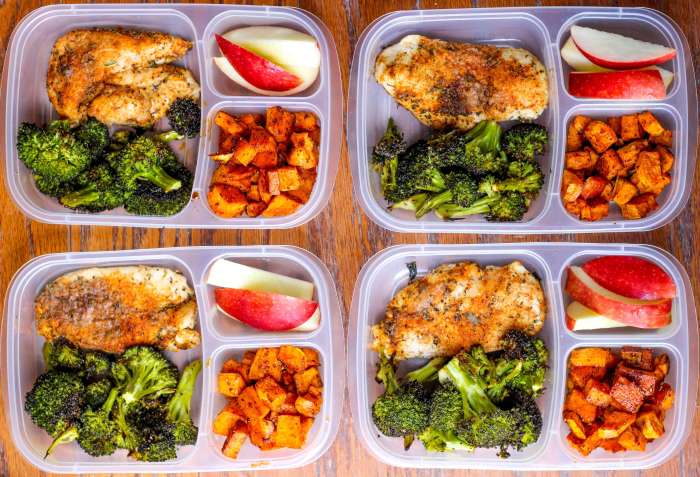
Meal prepping is not only advantageous for physical health but also plays a significant role in promoting mental well-being. The act of planning, preparing, and cooking meals in advance can have a positive impact on reducing stress, enhancing mindfulness, and improving overall mental clarity.
Benefits of Incorporating Mental Wellness in Meal Prepping
- Reduced Stress Levels: By having meals prepared in advance, individuals can eliminate the daily stress of deciding what to eat, saving time and energy.
- Promotes Mindfulness: Engaging in the process of meal prepping allows individuals to be fully present in the moment, focusing on the task at hand and practicing mindfulness.
- Enhanced Cognitive Function: Consuming a nutritious diet through meal prepping can provide the necessary nutrients for optimal brain function, improving cognitive abilities and mental clarity.
Enhancing Physical Fitness through Meal Prep
Meal prepping plays a crucial role in supporting fitness goals by providing nutritious and balanced meals that fuel the body for exercise and recovery. Combining healthy eating with regular physical activity is essential for overall well-being and achieving fitness objectives.
Benefits of Meal Prep for Physical Fitness
- Ensures consistent intake of nutrient-dense foods to support energy levels during workouts.
- Helps in controlling portion sizes and managing caloric intake for weight management.
- Reduces the temptation of unhealthy fast food options, leading to better food choices.
- Allows for customization of meals based on specific fitness goals, such as muscle gain or fat loss.
Pre-workout and Post-workout Meal Ideas for Meal Prep
How to meal prep for healthy eating – Pre-workout and post-workout nutrition are essential for optimizing performance and recovery. Here are some meal prep ideas to consider:
Pre-workout Meal Ideas
- Grilled chicken breast with quinoa and roasted vegetables.
- Greek yogurt with mixed berries and a sprinkle of granola.
- Turkey and avocado wrap with whole grain tortilla.
Post-workout Meal Ideas
- Salmon with sweet potato and steamed broccoli.
- Protein smoothie with banana, spinach, protein powder, and almond milk.
- Whole grain pasta with lean ground turkey and marinara sauce.
Preventive Care and Meal Prepping
Meal prepping goes beyond just convenience; it can also play a significant role in preventive healthcare. By planning and preparing nutritious meals in advance, you can take control of your diet and make choices that support your overall health and well-being.
Nutrition and Preventing Chronic Diseases
Nutrition plays a crucial role in preventing chronic diseases such as heart disease, diabetes, and obesity. Including a variety of nutrient-dense foods in your meal prep, such as fruits, vegetables, whole grains, and lean proteins, can help reduce the risk of developing these conditions. Avoiding processed foods high in sugar, salt, and unhealthy fats can further support your preventive healthcare efforts.
- Focus on incorporating colorful fruits and vegetables rich in antioxidants, vitamins, and minerals to boost your immune system and reduce inflammation.
- Choose whole grains like quinoa, brown rice, and oats to provide fiber and essential nutrients that support digestive health and help maintain a healthy weight.
- Include lean proteins such as chicken, fish, tofu, or legumes to support muscle health and keep you feeling satisfied throughout the day.
Immune-Boosting Ingredients in Meal Prep
Incorporating immune-boosting ingredients into your meal prep recipes can help strengthen your body’s defenses and promote overall wellness. These ingredients are rich in vitamins, minerals, and antioxidants that support a healthy immune system.
- Garlic: Known for its immune-boosting properties, garlic contains allicin, a compound that has been shown to enhance the immune response.
- Ginger: Ginger is a powerful anti-inflammatory ingredient that can help reduce inflammation in the body and support immune function.
- Citrus fruits: Oranges, lemons, and grapefruits are high in vitamin C, which is essential for a healthy immune system and can help fight off infections.
Achieving a Balanced Diet through Meal Prep
Achieving a balanced diet is essential for overall health and well-being. It involves consuming a variety of foods in appropriate portions to ensure the body receives the necessary nutrients. Meal prepping can be a valuable tool in helping individuals achieve a balanced diet by planning and preparing meals in advance.
Principles of a Balanced Diet
- Include a variety of fruits and vegetables to ensure adequate intake of vitamins, minerals, and fiber.
- Incorporate lean proteins such as poultry, fish, beans, and nuts for muscle repair and growth.
- Choose whole grains like brown rice, quinoa, and whole wheat bread for sustained energy and fiber.
- Incorporate healthy fats from sources like avocado, nuts, and olive oil for heart health.
- Limit processed foods, sugar, and sodium to reduce the risk of chronic diseases.
Meal Combinations for a Balanced Diet
- Grilled chicken with quinoa and roasted vegetables
- Salmon with sweet potato and steamed broccoli
- Black bean tacos with avocado, salsa, and a side salad
- Greek yogurt parfait with mixed berries and granola
Adjusting Meal Prep Recipes
- For individuals with dietary restrictions, such as gluten intolerance, opt for gluten-free grains like rice or quinoa.
- To lower the calorie content of a meal, use lean cuts of meat or increase the proportion of vegetables.
- If aiming to increase protein intake, consider adding tofu, tempeh, or legumes to meals.
- For those looking to reduce sodium intake, use herbs, spices, and citrus juices for flavor instead of salt.
Regular Exercise Routine and Meal Prepping
Regular exercise is a key component of a healthy lifestyle, but aligning it with meal prepping can sometimes be a challenge. Properly fueling your body before and after workouts is crucial for performance and recovery. By incorporating meal prep into your routine, you can ensure you have the necessary nutrients to support your fitness goals.
Aligning Meal Prep with a Regular Exercise Routine
- Plan your meals around your workout schedule to ensure you have the energy needed for exercise.
- Include a balance of carbohydrates, protein, and healthy fats in your pre and post-workout meals to optimize performance and recovery.
- Prepare snacks that are easy to grab and go, such as nuts, yogurt, or fruit, to fuel your body throughout the day.
Importance of Fueling Properly Before and After Workouts
- Before a workout: Consume a meal or snack rich in carbohydrates and a moderate amount of protein to provide energy and support muscle function.
- After a workout: Replenish glycogen stores with a meal containing carbohydrates and protein to aid in muscle recovery and repair.
- Hydrate properly before, during, and after exercise to maintain optimal performance and prevent dehydration.
Meal Prep Ideas for Different Workout Intensities
- Low-intensity workout (e.g., yoga, walking): Prep light meals with a focus on whole grains, lean proteins, and vegetables to sustain energy levels.
- Moderate-intensity workout (e.g., cycling, jogging): Include a mix of carbohydrates and proteins in your meals to fuel your workout and aid in recovery.
- High-intensity workout (e.g., HIIT, weightlifting): Opt for meals rich in carbohydrates, proteins, and healthy fats to support muscle growth and repair.
Holistic Wellness Approach with Meal Prepping
When it comes to taking care of your overall well-being, meal prepping plays a crucial role in adopting a holistic approach to wellness. It goes beyond just planning your meals for the week; it involves considering the interconnectedness of physical and mental health in your meal planning routine.
Benefits of a Holistic Meal Prep Routine
- Ensures balanced nutrition by incorporating a variety of food groups in your meals.
- Promotes mindful eating habits and helps in managing portion control.
- Reduces stress and decision fatigue related to meal choices throughout the week.
- Supports mental well-being by providing nourishing meals that fuel both the body and mind.
Tips for Creating a Holistic Meal Prep Routine
- Include a colorful array of fruits and vegetables to maximize nutrient intake.
- Plan meals that incorporate lean proteins, whole grains, and healthy fats for a well-rounded diet.
- Listen to your body’s hunger and fullness cues to avoid overeating or undereating.
- Practice gratitude and mindfulness while preparing and consuming your meals to enhance the overall experience.
Managing Chronic Diseases through Meal Prepping
Meal prepping can be a valuable tool in managing chronic diseases by helping individuals maintain a healthy and balanced diet. By planning and preparing meals in advance, it becomes easier to control portion sizes, monitor nutritional intake, and make healthier food choices. This can be especially beneficial for individuals with conditions such as diabetes, hypertension, heart disease, and obesity.
Meal Prep Recipes for Specific Health Conditions
- For individuals with diabetes, recipes that focus on low glycemic index foods such as whole grains, lean proteins, and vegetables can help stabilize blood sugar levels.
- Those with hypertension can benefit from meal prepping recipes that are low in sodium and high in potassium, such as dishes with fresh fruits, vegetables, and lean proteins.
- Heart-healthy meal prep recipes may include dishes rich in omega-3 fatty acids, fiber, and antioxidants, like salmon, quinoa, and leafy greens.
- Individuals looking to manage obesity can follow meal prep recipes that emphasize lean proteins, whole grains, and plenty of fruits and vegetables to promote weight loss and overall health.
Adapting Meal Prep Practices for Better Health Outcomes
- Focus on nutrient-dense ingredients such as fruits, vegetables, whole grains, and lean proteins to support overall health and well-being.
- Avoid processed foods, sugary drinks, and high-fat snacks when planning and prepping meals to reduce the risk of exacerbating chronic conditions.
- Include a variety of colors and flavors in your meal prep to ensure a diverse range of nutrients and phytochemicals that can benefit your health.
- Stay mindful of portion sizes and caloric intake to manage weight and prevent complications associated with chronic diseases.
Boosting Immunity with Meal Prep
Ensuring a strong immune system is crucial for overall health and well-being. Nutrition plays a significant role in boosting immunity, as certain foods contain essential vitamins and minerals that support immune function.
Immune-Boosting Ingredients and Recipes
Meal prepping allows you to incorporate immune-boosting ingredients into your meals consistently. Some ingredients known for their immune-boosting properties include:
- Garlic: Rich in allicin, which has antimicrobial properties.
- Ginger: Contains gingerol, known for its anti-inflammatory effects.
- Citrus fruits: High in Vitamin C, a powerful antioxidant that supports immune function.
Meal Prepping for a Strong Immune System
By meal prepping, you can ensure that your diet is packed with nutrients that support immune health. Planning and preparing meals in advance can help you avoid unhealthy food choices and ensure you are getting a balanced diet rich in vitamins and minerals essential for immunity.
Question Bank
How far in advance should I meal prep?
You can meal prep 2-3 days in advance for optimal freshness and convenience.
Can meal prepping help with weight loss?
Meal prepping can support weight loss by promoting portion control and healthier food choices.
Is it necessary to cook all meals during meal prep?
You can prep ingredients or full meals based on your preference and time availability.
How long can meal prepped meals be stored?
Properly stored meal prepped meals can typically last 3-4 days in the refrigerator.

More Stories
Portion Control: Key to a Balanced Diet
How to balance portion sizes in your diet – Tips and Strategies for Healthy Eating
Importance of a balanced diet for overall health: Key to Well-being