How a balanced diet supports energy and vitality is a concept that has been explored for centuries. The connection between what we eat and how we feel is undeniable. From ancient civilizations to modern science, the understanding that a well-rounded diet can fuel our bodies and minds has been a cornerstone of health and wellness.
A balanced diet provides the essential nutrients our bodies need to function optimally. It’s not just about calories; it’s about providing the right mix of macronutrients (carbohydrates, proteins, and fats) and micronutrients (vitamins and minerals) to support energy production, tissue repair, hormone balance, and overall vitality.
This article delves into the science behind a balanced diet and its impact on energy levels, physical performance, mental well-being, and overall health.
The Importance of a Balanced Diet
A balanced diet is crucial for maintaining optimal energy levels and vitality. It provides the essential nutrients our bodies need to function properly and fuel our daily activities.
The Role of a Balanced Diet in Energy Production
A balanced diet provides the necessary building blocks for energy production. Carbohydrates are the primary source of energy for the body, broken down into glucose, which is used by cells for fuel. Proteins are essential for building and repairing tissues, as well as producing enzymes and hormones that regulate energy metabolism.
Healthy fats provide a concentrated source of energy and are crucial for hormone production and cell function.
The Impact of Nutrient Deficiencies on Energy Levels and Vitality
When our bodies lack essential nutrients, our energy levels can plummet, and we may experience various symptoms such as fatigue, weakness, and difficulty concentrating. For instance, iron deficiency (anemia) can lead to decreased oxygen transport in the blood, resulting in fatigue and shortness of breath.
Examples of Foods Rich in Energy-Boosting Nutrients
Carbohydrates
- Whole grains (brown rice, quinoa, oats)
- Fruits (bananas, apples, berries)
- Vegetables (sweet potatoes, corn, peas)
Proteins
- Lean meats (chicken, fish, turkey)
- Eggs
- Legumes (beans, lentils)
Healthy Fats
- Avocados
- Nuts and seeds (almonds, walnuts, chia seeds)
- Olive oil
Macronutrients and Energy
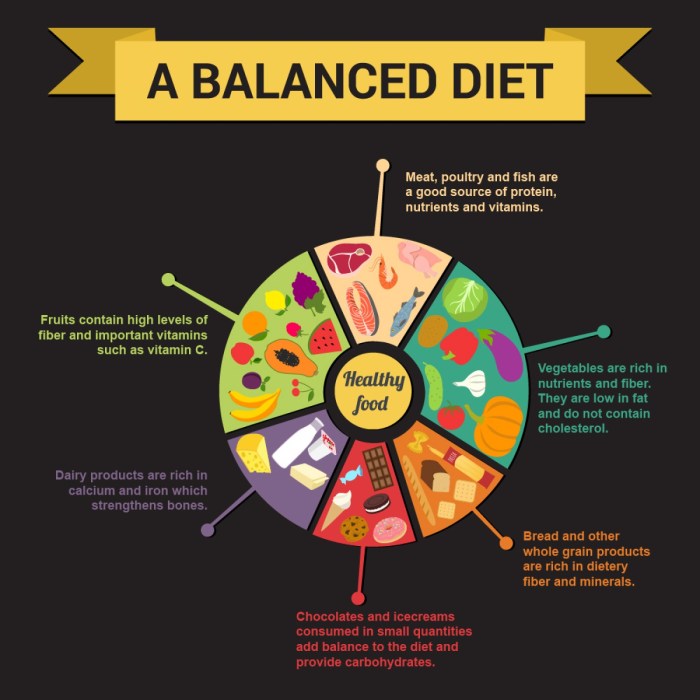
Our bodies require energy to function, and this energy is derived from the food we consume. Macronutrients, the primary components of our diet, play a crucial role in providing this energy. They are the building blocks of our bodies and fuel our daily activities.
Carbohydrates: Quick Energy Source
Carbohydrates are the body’s primary source of quick energy. They are broken down into glucose, a simple sugar that our cells use for fuel. Glucose is readily available and can be used quickly by the body.
- Simple carbohydrates, like those found in refined sugars and processed foods, are quickly digested and provide a short burst of energy. However, they can lead to blood sugar spikes and crashes.
- Complex carbohydrates, such as those found in whole grains, fruits, and vegetables, are digested more slowly and provide sustained energy. They also contain fiber, which helps regulate blood sugar levels.
Proteins: Building Blocks and Energy Support
Proteins are essential for building and repairing tissues, supporting muscle function, and maintaining energy levels. They are made up of amino acids, which are the building blocks of life.
- Proteinsare involved in various bodily functions, including enzyme production, hormone regulation, and immune system support.
- Protein intakeis crucial for maintaining muscle mass, which helps boost metabolism and burn calories.
- Proteinsalso play a role in satiety, helping us feel full and satisfied after meals, which can aid in weight management.
Healthy Fats: Sustained Energy and Cell Health
Healthy fats are essential for sustained energy, hormone production, and cell health. They are not just about providing energy but also about supporting various bodily functions.
- Unsaturated fats, found in avocados, nuts, seeds, and olive oil, are considered “good” fats. They help lower cholesterol levels, reduce inflammation, and support heart health.
- Saturated fats, found in animal products and some plant-based foods, should be consumed in moderation. They are important for cell function and hormone production, but excessive intake can contribute to heart disease.
- Trans fats, often found in processed foods, are unhealthy and should be avoided as much as possible. They can increase bad cholesterol levels and contribute to heart disease.
Micronutrients and Vitality
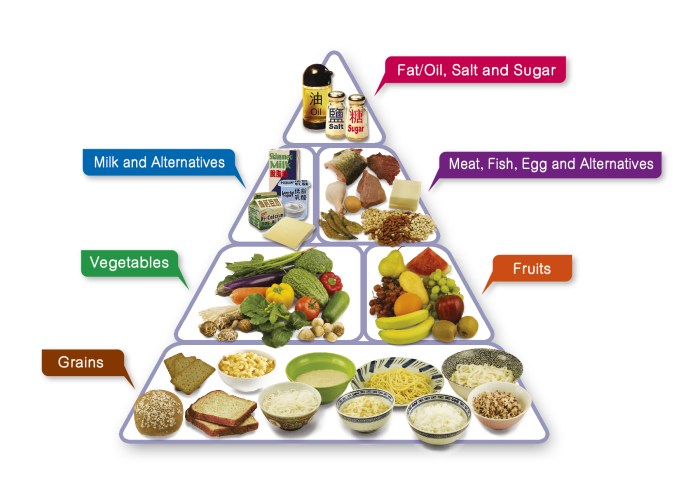
Micronutrients, though required in smaller amounts compared to macronutrients, play a vital role in supporting energy production, boosting immunity, and enhancing overall well-being. These essential compounds, including vitamins and minerals, act as catalysts in various bodily functions, contributing to a vibrant and energetic lifestyle.
Vitamins and Energy Production
Vitamins are organic compounds that our bodies need in small amounts to function properly. Several vitamins are crucial for energy production and stress management.
- Vitamin B Complex: This group of vitamins, including B1 (Thiamine), B2 (Riboflavin), B3 (Niacin), B5 (Pantothenic Acid), B6 (Pyridoxine), B7 (Biotin), B9 (Folate), and B12 (Cobalamin), plays a vital role in converting food into energy through various metabolic processes. They are essential for the proper functioning of enzymes involved in carbohydrate, protein, and fat metabolism.
For example, B1 is crucial for carbohydrate metabolism, while B2 is essential for the electron transport chain, a key process in energy production. Vitamin B12 deficiency can lead to fatigue and weakness.
- Vitamin C (Ascorbic Acid): While not directly involved in energy production, Vitamin C is essential for the production of collagen, a protein vital for healthy blood vessels, skin, and tissues. It also acts as an antioxidant, protecting cells from damage caused by free radicals, which can contribute to fatigue and aging.
- Vitamin E (Tocopherol): Another powerful antioxidant, Vitamin E protects cell membranes from damage caused by free radicals, which can impair energy production. It also supports healthy blood circulation, crucial for delivering oxygen and nutrients to cells.
Minerals and Energy Levels
Minerals are inorganic substances that are essential for various bodily functions, including energy production, nerve function, and muscle contraction.
- Iron: Iron is a key component of hemoglobin, a protein in red blood cells that carries oxygen throughout the body. Iron deficiency, or anemia, can lead to fatigue, weakness, and shortness of breath, as cells are deprived of the oxygen they need for energy production.
- Magnesium: Magnesium is involved in over 300 enzymatic reactions in the body, including energy production from glucose. It also plays a role in muscle function, nerve transmission, and blood sugar control. Magnesium deficiency can lead to fatigue, muscle cramps, and headaches.
- Zinc: Zinc is essential for immune function, wound healing, and cell growth. It also plays a role in energy production by supporting the function of enzymes involved in metabolism. Zinc deficiency can lead to fatigue, impaired immune function, and hair loss.
The Connection Between Diet and Energy Levels
The food we consume directly influences our energy levels. Understanding how different types of foods affect our bodies can help us make informed choices for sustained energy throughout the day.
Processed Foods Versus Whole Foods
Processed foods are often high in refined carbohydrates, sugar, and unhealthy fats, which can lead to rapid blood sugar spikes followed by crashes, causing energy fluctuations. These foods may provide a temporary energy boost, but they are not sustainable for long-term energy.
Whole, unprocessed foods, on the other hand, are rich in complex carbohydrates, fiber, and essential nutrients that are digested slowly, providing a steady release of energy. This sustained energy can help you feel more alert, focused, and productive throughout the day.
Blood Sugar Spikes and Crashes
When we consume refined carbohydrates and sugar, our bodies quickly absorb these simple sugars, leading to a rapid increase in blood sugar levels. This spike in blood sugar triggers the release of insulin, a hormone that helps move glucose from the bloodstream into cells for energy.
However, this process can lead to a sudden drop in blood sugar levels, resulting in feelings of fatigue, irritability, and cravings. These fluctuations in blood sugar levels are a major contributor to energy dips throughout the day.
Sample Meal Plan for Sustained Energy
A balanced meal plan that incorporates complex carbohydrates, lean protein, healthy fats, and plenty of fruits and vegetables can help maintain stable blood sugar levels and provide sustained energy. Here is a sample meal plan that you can adapt to your individual needs and preferences:
- Breakfast:Oatmeal with berries and nuts, a whole-wheat toast with avocado and a poached egg, or a smoothie with spinach, banana, and protein powder.
- Lunch:A salad with grilled chicken or fish, a whole-wheat wrap with hummus and vegetables, or a lentil soup with a side of whole-grain bread.
- Dinner:Salmon with roasted vegetables, chicken stir-fry with brown rice, or a vegetarian chili with whole-grain cornbread.
- Snacks:Fruits, vegetables, nuts, seeds, yogurt, or a small handful of dark chocolate.
By choosing whole, unprocessed foods and incorporating a variety of nutrients, you can create a balanced diet that supports sustained energy levels and promotes overall well-being.
Diet and Physical Fitness
A balanced diet plays a crucial role in fueling physical activity and supporting muscle recovery. By providing the necessary nutrients, a well-planned diet enhances athletic performance, promotes muscle growth, and aids in overall fitness.
Pre-Workout and Post-Workout Meals
The timing and composition of meals before and after workouts are essential for optimizing energy levels and performance. Before a workout, consuming a meal rich in carbohydrates and moderate protein helps provide sustained energy and support muscle glycogen stores.
- A banana with a handful of almonds provides a quick source of energy and healthy fats.
- A bowl of oatmeal with berries and a scoop of protein powder offers a sustained release of energy and supports muscle recovery.
- A whole-wheat toast with peanut butter and a glass of milk is another great pre-workout option.
After a workout, it is important to replenish glycogen stores and provide building blocks for muscle repair.
- A post-workout smoothie with protein powder, fruits, and leafy greens helps replenish electrolytes and provide essential nutrients.
- A chicken breast with brown rice and vegetables is a balanced meal that supports muscle recovery and replenishes energy levels.
- A tuna salad sandwich on whole-wheat bread with a side of fruit provides a good source of protein and carbohydrates for muscle repair and energy replenishment.
Hydration and Its Role in Physical Fitness
Hydration is critical for maintaining energy levels, regulating body temperature, and optimizing physical performance. Water is essential for various bodily functions, including transporting nutrients, removing waste products, and lubricating joints.
Adequate hydration is crucial for maintaining optimal energy levels and physical fitness.
During exercise, the body loses fluids through sweat, leading to dehydration. Dehydration can impair physical performance, increase fatigue, and even lead to heat exhaustion or heatstroke.
- Drinking water before, during, and after exercise is essential for maintaining hydration levels.
- Sports drinks can help replenish electrolytes lost through sweat, especially during prolonged or intense exercise.
- Monitoring urine color can be a simple indicator of hydration status. Pale yellow urine suggests adequate hydration, while dark yellow urine indicates dehydration.
Diet and Mental Health
The link between diet and mental well-being is becoming increasingly recognized. What we eat can significantly impact our mood, energy levels, and cognitive function. A balanced diet provides the essential nutrients that support brain health and help regulate mood, while a diet lacking in these nutrients can contribute to feelings of stress, anxiety, and depression.
The Role of Nutrients in Supporting Brain Health
A balanced diet rich in various nutrients plays a crucial role in maintaining optimal brain function and reducing stress levels.
- Omega-3 fatty acidsare essential for brain cell development and function. They help regulate mood, improve cognitive function, and reduce inflammation, which is linked to depression and anxiety. Good sources of omega-3 fatty acids include fatty fish like salmon, mackerel, and tuna, as well as flaxseeds, chia seeds, and walnuts.
- B vitaminsare essential for the production of neurotransmitters, chemicals that transmit signals between brain cells. Deficiencies in B vitamins can lead to fatigue, irritability, and mood swings. Good sources of B vitamins include leafy green vegetables, whole grains, beans, and eggs.
- Vitamin Dplays a role in regulating mood and reducing stress. Studies have shown that low levels of vitamin D are associated with depression and anxiety. Good sources of vitamin D include fatty fish, eggs, and fortified foods like milk and yogurt.
Sunlight exposure also helps the body produce vitamin D.
- Magnesiumis a mineral that helps regulate neurotransmitter activity and reduce stress levels. Magnesium deficiency can lead to anxiety, insomnia, and muscle tension. Good sources of magnesium include leafy green vegetables, almonds, avocado, and black beans.
Incorporating Mood-Boosting Foods into a Balanced Diet
There are several strategies for incorporating mood-boosting foods into a balanced diet:
- Choose whole, unprocessed foods:Opt for fruits, vegetables, whole grains, lean proteins, and healthy fats over processed foods, sugary drinks, and unhealthy fats. These whole foods provide essential nutrients that support brain health and mood regulation.
- Eat regular meals:Skipping meals can lead to blood sugar fluctuations, which can negatively impact mood. Aim for regular meals and snacks throughout the day to maintain stable blood sugar levels.
- Stay hydrated:Dehydration can contribute to fatigue, headaches, and irritability. Drink plenty of water throughout the day.
- Limit caffeine and alcohol:While caffeine and alcohol can provide temporary mood boosts, they can also lead to anxiety, sleep problems, and mood swings. Moderate consumption is key.
Holistic Wellness and a Balanced Diet
A balanced diet is not just about fueling your body; it’s about nurturing your entire being, contributing to holistic wellness that encompasses physical, mental, and emotional health. By providing your body with the essential nutrients it needs, a balanced diet supports optimal functioning across all aspects of your life.
The Impact of a Balanced Diet on Holistic Wellness
A balanced diet is the cornerstone of holistic wellness. It provides the foundation for optimal physical health, supports mental clarity and emotional stability, and enhances overall well-being.
- Physical Health:A balanced diet provides the essential nutrients, including vitamins, minerals, and antioxidants, necessary for maintaining strong bones, healthy muscles, and a robust immune system. This reduces the risk of chronic diseases like heart disease, stroke, type 2 diabetes, and certain cancers.
- Mental Health:A balanced diet provides essential nutrients that support brain function and neurotransmitter production, contributing to improved mood, focus, and cognitive function. Adequate intake of omega-3 fatty acids, found in fatty fish and nuts, has been linked to better mental health and reduced risk of depression.
- Emotional Health:A balanced diet can help regulate blood sugar levels, which can impact mood and energy levels. It also provides essential nutrients that support the production of hormones like serotonin, which plays a crucial role in regulating mood and happiness.
Mindful Eating and its Impact on Energy Levels and Well-being
Mindful eating is a powerful tool for enhancing energy levels and overall well-being. It involves paying attention to your food choices and the experience of eating, fostering a more conscious and enjoyable relationship with food.
- Increased Energy Levels:Mindful eating helps you make more conscious food choices, leading to a more balanced intake of nutrients that support sustained energy levels. It also encourages you to eat slowly and savor your meals, promoting better digestion and reducing the likelihood of energy crashes.
- Improved Emotional Regulation:Mindful eating can help you become more aware of your emotional triggers related to food. This can lead to healthier eating habits and reduce emotional eating, which can often lead to feelings of guilt and shame.
- Enhanced Body Awareness:Mindful eating encourages you to listen to your body’s hunger and fullness cues, promoting a more intuitive approach to eating and preventing overeating or undereating.
Benefits of a Balanced Diet
| Aspect of Health and Wellness | Benefits of a Balanced Diet |
|---|---|
| Physical Health | Stronger bones, healthy muscles, improved immune function, reduced risk of chronic diseases, better sleep quality |
| Mental Health | Improved mood, enhanced cognitive function, better focus, reduced risk of depression and anxiety |
| Emotional Health | Greater emotional stability, reduced stress and anxiety, increased resilience, improved self-esteem |
| Energy Levels | Sustained energy throughout the day, reduced fatigue and lethargy, improved physical performance |
| Overall Well-being | Increased vitality, improved quality of life, enhanced sense of well-being, greater longevity |
The Role of Diet in Preventing Chronic Diseases
A balanced diet plays a crucial role in preventing chronic diseases, which are long-term conditions that develop over time. By making smart food choices, you can significantly reduce your risk of developing heart disease, diabetes, and certain types of cancer.
Heart Health
A diet rich in fruits, vegetables, whole grains, and lean protein can help lower blood pressure, cholesterol levels, and the risk of heart disease.
- Fruits and Vegetables:These are excellent sources of fiber, vitamins, and minerals that contribute to heart health. Aim for at least five servings of fruits and vegetables daily.
- Whole Grains:Whole grains, such as brown rice, quinoa, and whole-wheat bread, provide fiber and other nutrients that help regulate cholesterol levels and blood sugar. Choose whole grains over refined grains whenever possible.
- Lean Protein:Opt for lean protein sources like fish, poultry, beans, and lentils. These provide essential nutrients without adding excess saturated fat.
- Healthy Fats:Include healthy fats like those found in olive oil, avocados, and nuts in your diet. These fats can help lower bad cholesterol and improve heart health.
Blood Sugar Regulation
A balanced diet can help regulate blood sugar levels and reduce the risk of developing type 2 diabetes.
- Fiber-Rich Foods:Foods high in fiber, such as fruits, vegetables, and whole grains, slow down the absorption of sugar into the bloodstream, helping to regulate blood sugar levels.
- Lean Protein:Protein also helps stabilize blood sugar levels by slowing down the absorption of carbohydrates.
- Healthy Fats:Healthy fats, such as those found in olive oil and avocados, can help improve insulin sensitivity, which is crucial for regulating blood sugar.
Cancer Prevention
A diet rich in fruits, vegetables, and whole grains can help reduce the risk of developing certain types of cancer.
- Antioxidants:Fruits and vegetables are packed with antioxidants, which protect cells from damage caused by free radicals, a key factor in cancer development.
- Fiber:Fiber helps remove toxins from the body and may reduce the risk of colon cancer.
- Omega-3 Fatty Acids:Omega-3 fatty acids, found in fatty fish like salmon and tuna, have been linked to a reduced risk of certain cancers.
Diet and Immunity: How A Balanced Diet Supports Energy And Vitality
A balanced diet is not only essential for providing your body with the energy it needs to function but also for bolstering your immune system, making you less susceptible to illness. Just as a well-maintained car runs smoothly, a properly nourished body is better equipped to defend itself against harmful invaders.
The Role of Vitamins and Minerals in Immune Function and Disease Prevention, How a balanced diet supports energy and vitality
Vitamins and minerals play a crucial role in supporting your immune system. They act as building blocks for immune cells, antibodies, and other essential components that help your body fight off infections.
- Vitamin Cis a powerful antioxidant that helps protect cells from damage and supports the production of white blood cells, which are crucial for fighting infections. Good sources include citrus fruits, berries, and leafy green vegetables.
- Vitamin Dis essential for the proper functioning of immune cells and helps regulate inflammation. Sunlight exposure is a primary source, but you can also find it in fatty fish, eggs, and fortified foods.
- Zincis vital for immune cell development and function. It helps activate immune cells and plays a role in wound healing. You can find zinc in red meat, poultry, beans, and nuts.
- Seleniumis an antioxidant that protects cells from damage and supports immune function. Good sources include Brazil nuts, tuna, and eggs.
Tips for Incorporating Immunity-Boosting Foods into a Daily Diet
Here are some practical tips for incorporating immunity-boosting foods into your daily meals:
- Eat a variety of fruits and vegetables: Aim for at least five servings a day, including citrus fruits, berries, leafy greens, and cruciferous vegetables. These are packed with vitamins, minerals, and antioxidants that support your immune system.
- Include lean protein sources: Protein is essential for building and repairing tissues, including immune cells. Good sources include fish, poultry, beans, lentils, and tofu.
- Choose whole grains over refined grains: Whole grains are rich in fiber, which helps support a healthy gut microbiome, which plays a crucial role in immunity.
- Stay hydrated: Drinking plenty of water is essential for overall health, including immune function. Aim for eight glasses of water a day.
- Limit processed foods and sugary drinks: These foods can contribute to inflammation and weaken your immune system.
Ending Remarks
In conclusion, a balanced diet is the foundation of a healthy and vibrant life. By prioritizing whole, unprocessed foods rich in essential nutrients, we can optimize our energy levels, enhance our physical and mental performance, and reduce our risk of chronic diseases.
Making informed food choices and embracing mindful eating habits can lead to a life filled with vitality and well-being.
FAQ Section
What are some examples of energy-boosting foods?
Foods rich in carbohydrates, proteins, and healthy fats are excellent energy sources. Examples include whole grains, legumes, lean meats, nuts, seeds, and avocados.
How can I prevent blood sugar spikes and crashes?
Choose complex carbohydrates over simple sugars, incorporate protein and healthy fats into every meal, and avoid skipping meals. Regular physical activity also helps regulate blood sugar levels.
What are some tips for incorporating mood-boosting foods into my diet?
Include foods rich in omega-3 fatty acids, such as fatty fish, walnuts, and flaxseeds. Also, consider foods rich in B vitamins, like leafy greens, eggs, and poultry.
How can I ensure I’m getting enough hydration?
Aim for 8 glasses of water per day. You can also get fluids from fruits and vegetables. Pay attention to your body’s signals of thirst and drink water throughout the day.


More Stories
Exercise, Heart Health, and Longevity: A Powerful Link
How to Create a Holistic Wellness Space at Home: A Comprehensive Guide
Regular exercise routines for weight loss: Achieving a healthier you