Importance of a Balanced Diet
A balanced diet is crucial for maintaining overall health and well-being. It consists of a variety of foods that provide essential nutrients to support bodily functions and prevent diseases. Let’s delve into the components and impact of a balanced diet.
Components of a Balanced Diet
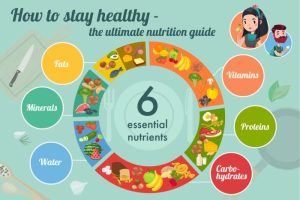
A balanced diet typically includes a mix of macronutrients and micronutrients. Macronutrients are nutrients that provide energy and include carbohydrates, proteins, and fats. On the other hand, micronutrients are essential vitamins and minerals required in smaller amounts for various physiological functions.
- Carbohydrates: Main source of energy for the body, found in foods like grains, fruits, and vegetables.
- Proteins: Building blocks for tissues, muscles, and organs, obtained from sources like meat, dairy, and legumes.
- Fats: Necessary for hormone production and cell function, found in oils, nuts, and fatty fish.
- Vitamins: Essential for various metabolic processes and immune function, present in fruits, vegetables, and fortified foods.
- Minerals: Important for bone health, nerve function, and enzyme activity, sourced from foods like dairy, nuts, and whole grains.
A balanced diet ensures the body receives adequate nutrients for optimal functioning and reduces the risk of deficiencies and chronic diseases.
Impact of a Balanced Diet on Overall Health
Consuming a balanced diet has numerous benefits for overall health. It helps maintain a healthy weight, supports proper growth and development, boosts immunity, and reduces the risk of chronic conditions such as heart disease, diabetes, and certain cancers. Additionally, a balanced diet can improve energy levels, enhance cognitive function, and promote better sleep quality.
By providing the necessary nutrients in the right proportions, a balanced diet plays a crucial role in enhancing physical and mental well-being.
Significance of Macronutrients and Micronutrients
Both macronutrients and micronutrients play vital roles in maintaining health. Macronutrients provide the body with energy and support various physiological functions, while micronutrients are essential for enzyme activity, hormone production, and overall growth. Balancing the intake of macronutrients and micronutrients is key to ensuring optimal health and preventing nutrient deficiencies.
- Macronutrients like carbohydrates, proteins, and fats are important for energy production, muscle repair, and hormone regulation.
- Micronutrients such as vitamins and minerals support immune function, bone health, and cognitive performance.
- A deficiency or excess of either macronutrients or micronutrients can lead to health problems and impact overall well-being.
By including a variety of foods rich in macronutrients and micronutrients, individuals can maintain a balanced diet that supports their health and vitality.
Mental Wellness and Balanced Diet
Eating a balanced diet doesn’t just benefit your physical health, but it also plays a crucial role in supporting mental wellness. The food you consume can have a significant impact on your mood, cognitive function, and overall mental well-being.
Connection between Mental Wellness and Balanced Diet, Importance of a balanced diet for overall health
A diet rich in nutrients such as omega-3 fatty acids, antioxidants, vitamins, and minerals is essential for maintaining good mental health. These nutrients help regulate neurotransmitters in the brain, which are responsible for mood regulation and cognitive function.
- Foods high in omega-3 fatty acids, like salmon, walnuts, and flaxseeds, can help reduce symptoms of depression and anxiety.
- A diet rich in antioxidants from fruits and vegetables can protect the brain from oxidative stress and inflammation, which are linked to mental health disorders.
- Consuming foods high in vitamins B6, B12, and folate can support the production of neurotransmitters like serotonin and dopamine, which are crucial for mood regulation.
How a Balanced Diet Improves Mood and Cognitive Function
Maintaining a balanced diet can lead to improved mood, increased energy levels, and enhanced cognitive function. When you nourish your body with the right nutrients, you provide it with the fuel it needs to function optimally.
- Complex carbohydrates found in whole grains can boost serotonin levels, promoting feelings of happiness and relaxation.
- Protein-rich foods like lean meats, eggs, and legumes provide amino acids that are essential for neurotransmitter synthesis, improving cognitive function.
- Hydration is also key for mental wellness, as even mild dehydration can negatively impact mood, concentration, and cognitive performance.
Physical Fitness and Balanced Diet: Importance Of A Balanced Diet For Overall Health
Good physical fitness is crucial for overall health and well-being. A balanced diet plays a significant role in achieving and maintaining physical fitness. By providing essential nutrients, a balanced diet supports muscle strength, energy levels, and overall performance during physical activities.
Key Nutrients for Muscle Strength and Energy Levels
A balanced diet rich in protein is essential for muscle strength. Proteins are the building blocks of muscles and help repair and build muscle tissues. Additionally, carbohydrates are vital for providing energy to fuel physical activities. Carbohydrates are the body’s primary source of energy, especially during high-intensity exercises. Including healthy fats in the diet also contributes to sustained energy levels and supports overall physical performance.
Role of Hydration in Maintaining Physical Fitness
Hydration is key to maintaining physical fitness alongside a balanced diet. Water is essential for various bodily functions, including regulating body temperature, transporting nutrients, and removing waste products. Staying hydrated is crucial for optimal muscle function, preventing fatigue, and enhancing overall physical performance. Adequate hydration supports endurance and helps prevent dehydration during exercise, ensuring the body can perform at its best.
Preventive Care and Balanced Diet
Maintaining a balanced diet plays a crucial role in preventive care by reducing the risk of various health conditions. When combined with regular exercise and healthy lifestyle choices, a balanced diet can significantly contribute to overall well-being.
Reduced Risk of Chronic Diseases
- Consuming a diet rich in fruits, vegetables, whole grains, lean proteins, and healthy fats can help lower the risk of chronic diseases such as heart disease, diabetes, and certain types of cancer.
- Including foods high in antioxidants, vitamins, and minerals can boost the immune system and protect the body from oxidative stress, reducing inflammation and the likelihood of developing chronic conditions.
Enhanced Immune Function
- A balanced diet provides essential nutrients that support immune function, helping the body defend against infections and illnesses.
- Key nutrients like vitamin C, vitamin D, zinc, and probiotics play a vital role in maintaining a strong immune system, which is crucial for preventing various diseases.
Weight Management and Metabolic Health
- By following a balanced diet, individuals can better manage their weight and improve metabolic health, reducing the risk of obesity and related conditions.
- Choosing nutrient-dense foods over processed and high-calorie options can help regulate blood sugar levels, cholesterol levels, and blood pressure, promoting overall health and longevity.
Regular Exercise and Balanced Diet
Regular exercise and a balanced diet go hand in hand when it comes to maintaining overall health and well-being. The relationship between the two is crucial for achieving optimal results in terms of physical fitness, mental wellness, and preventive care.
Enhanced Health Benefits
Regular exercise, when combined with a balanced diet, can significantly enhance the health benefits that each provides individually. A balanced diet ensures that your body receives the necessary nutrients to support your exercise routine, while regular physical activity helps improve the absorption of these nutrients and boosts metabolism. This synergy results in improved energy levels, better weight management, and reduced risk of chronic diseases.
Impact on Exercise Performance and Recovery
A balanced diet plays a key role in exercise performance and recovery. Proper nutrition before and after workouts can fuel your body for optimal performance and aid in muscle recovery. For example, consuming carbohydrates before exercise provides the necessary energy, while protein intake post-workout helps repair and build muscle tissue. Inadequate nutrition can lead to fatigue, muscle soreness, and decreased exercise capacity.
Mental Health Benefits of a Balanced Diet
Eating a balanced diet doesn’t just benefit your physical health, but also plays a crucial role in maintaining your mental well-being. The nutrients you consume have a direct impact on your brain function and mental health conditions.
Nutrients for Mental Health Maintenance
- Omega-3 fatty acids: Found in fatty fish like salmon and mackerel, as well as flaxseeds and walnuts, omega-3s are essential for brain health and can help reduce symptoms of depression and anxiety.
- Vitamin B complex: B vitamins, including B6, B12, and folate, are important for neurotransmitter function and mood regulation. Sources include leafy greens, whole grains, and lean meats.
- Magnesium: This mineral is involved in over 300 biochemical reactions in the body, including those related to mood regulation and stress management. Nuts, seeds, and dark chocolate are good sources of magnesium.
Gut Health, Brain Function, and Balanced Diet
Importance of a balanced diet for overall health – Research has shown a strong connection between gut health, brain function, and the food we eat. The gut-brain axis is a bidirectional communication system between the gut and the brain, influenced by the balance of good and bad bacteria in the gut. Consuming a diet rich in fiber, fermented foods, and probiotics can promote a healthy gut microbiome, which in turn can positively impact mood, cognition, and overall mental health.
Holistic Wellness and Balanced Diet

Eating a balanced diet is crucial for achieving holistic wellness as it impacts various aspects of our overall health. The interconnectedness of physical, mental, and emotional well-being is greatly influenced by the quality of our diet. Let’s delve deeper into how a balanced diet contributes to holistic wellness.
Impact on Physical Health
A balanced diet rich in nutrients such as vitamins, minerals, and antioxidants plays a key role in maintaining our physical health. It helps in supporting our immune system, promoting healthy weight management, and reducing the risk of chronic diseases. Including a variety of food groups like fruits, vegetables, whole grains, lean proteins, and healthy fats ensures that our body gets the essential nutrients it needs to function optimally.
Effect on Mental Well-being
The foods we eat can also have a significant impact on our mental well-being. Consuming a balanced diet can help regulate mood, improve cognitive function, and enhance overall mental clarity. Nutrient-dense foods like fatty fish, nuts, seeds, and leafy greens are known to support brain health and may contribute to reducing the risk of mental health disorders.
Influence on Emotional Wellness
Emotional wellness is closely tied to the foods we consume. A balanced diet can help stabilize blood sugar levels, which in turn can impact our emotions and mood. Avoiding processed foods high in sugar and unhealthy fats can prevent energy crashes and mood swings, promoting emotional stability and well-being.
Quality of Life
Overall, maintaining a balanced diet is essential for improving our quality of life. By nourishing our bodies with the right nutrients, we can enhance our energy levels, boost our immunity, and support our mental and emotional health. A balanced diet sets the foundation for a healthy lifestyle, leading to a higher quality of life and overall well-being.
Chronic Diseases Prevention through Balanced Diet

A balanced diet plays a crucial role in reducing the risk of chronic diseases by providing essential nutrients that support overall health and well-being. By incorporating a variety of foods into your daily meals, you can help prevent or manage various chronic conditions.
Examples of Chronic Diseases Prevented or Managed through Balanced Diet
- Heart Disease: A diet rich in fruits, vegetables, whole grains, lean proteins, and healthy fats can help lower cholesterol levels and blood pressure, reducing the risk of heart disease.
- Diabetes: Consuming foods with a low glycemic index, such as whole grains, legumes, and non-starchy vegetables, can help stabilize blood sugar levels and prevent the onset of diabetes.
- Cancer: Antioxidants found in fruits, vegetables, and nuts help protect cells from damage and reduce the risk of certain types of cancer.
- Obesity: Maintaining a balanced diet that is high in fiber and nutrients while being mindful of portion sizes can help prevent obesity and its associated health risks.
Role of Antioxidants, Fiber, and Nutrients in Combating Chronic Diseases
Antioxidants help neutralize free radicals in the body, which can cause cellular damage and contribute to chronic diseases. Foods rich in antioxidants, such as berries, leafy greens, and nuts, help protect against oxidative stress and inflammation.
Fiber plays a key role in digestive health and weight management. A diet high in fiber can help regulate blood sugar levels, lower cholesterol, and promote a healthy gut microbiome, reducing the risk of chronic diseases like diabetes and heart disease.
Essential nutrients like vitamins, minerals, and omega-3 fatty acids support various bodily functions and help prevent nutrient deficiencies that can lead to chronic conditions. Including a variety of nutrient-dense foods in your diet ensures that you are meeting your body’s needs for optimal health and disease prevention.
Immunity Boosters and Balanced Diet
Eating a balanced diet plays a crucial role in boosting our immune system, which helps protect our bodies from infections and illnesses. The nutrients we consume through our diet directly impact the functioning of our immune system.
Connection Between Balanced Diet and Immune System
A balanced diet provides the necessary vitamins, minerals, antioxidants, and other nutrients that are essential for a strong immune response. Nutrient deficiencies can weaken the immune system, making us more susceptible to infections and diseases.
- Vitamins like Vitamin C, Vitamin D, and Vitamin E are known to enhance immune function and help fight off infections.
- Minerals such as Zinc and Selenium play a role in supporting immune cell activity and reducing inflammation.
- Antioxidants like Beta-carotene, found in fruits and vegetables, help protect cells from damage and strengthen the immune system.
Impact of Poor Diet on Immune Function
A diet high in processed foods, sugar, and unhealthy fats can have a negative impact on immune function. Consuming excessive amounts of these foods can lead to inflammation, oxidative stress, and a weakened immune response.
- Excessive sugar intake can suppress immune function and increase the risk of infections.
- Unhealthy fats can promote inflammation in the body, compromising the immune system’s ability to fight off pathogens.
- Processed foods lack essential nutrients needed for a robust immune response, making the body more vulnerable to illnesses.
FAQ Compilation
How does a balanced diet impact overall health?
A balanced diet provides the necessary nutrients for optimal body function, promoting overall health and well-being.
What are some examples of foods that support mental health?
Foods rich in omega-3 fatty acids, antioxidants, and vitamins B and D are known to support mental health.
How can a balanced diet help prevent chronic diseases?
By providing essential nutrients and antioxidants, a balanced diet can help reduce the risk of chronic diseases such as heart disease and diabetes.
What nutrients play a role in boosting immunity?
Vitamin C, zinc, and probiotics are examples of nutrients that can boost immunity when included in a balanced diet.
Can a balanced diet improve mood and cognitive function?
Yes, a balanced diet rich in nutrients like omega-3 fatty acids and antioxidants can positively impact mood and cognitive function.


More Stories
Portion Control: Key to a Balanced Diet
How to balance portion sizes in your diet – Tips and Strategies for Healthy Eating
How to maintain healthy eating during holidays