Portion Control: How To Balance Portion Sizes In Your Diet
Portion control is a key aspect of maintaining a balanced diet. It involves managing the amount of food you eat to ensure you are consuming the right number of calories and nutrients your body needs for optimal health.
Visual Estimation of Portion Sizes
One helpful tip for portion control is to visually estimate serving sizes with everyday objects. For example, a serving of meat should be about the size of a deck of cards, a serving of pasta should be around the size of a tennis ball, and a serving of cheese should be equivalent to about six dice.
Importance of Measuring Food Portions
Measuring food portions is crucial for weight management as it helps prevent overeating and ensures you are consuming the appropriate amount of nutrients. Using measuring cups, spoons, and a food scale can help you accurately portion your meals and snacks, leading to better control over your calorie intake and overall diet.
Nutrient Distribution
Proper nutrient distribution is essential for maintaining a balanced diet and overall health. Different nutrients play specific roles in the body, so it’s important to include a variety of foods to meet all your nutrient needs.
Role of Different Nutrients
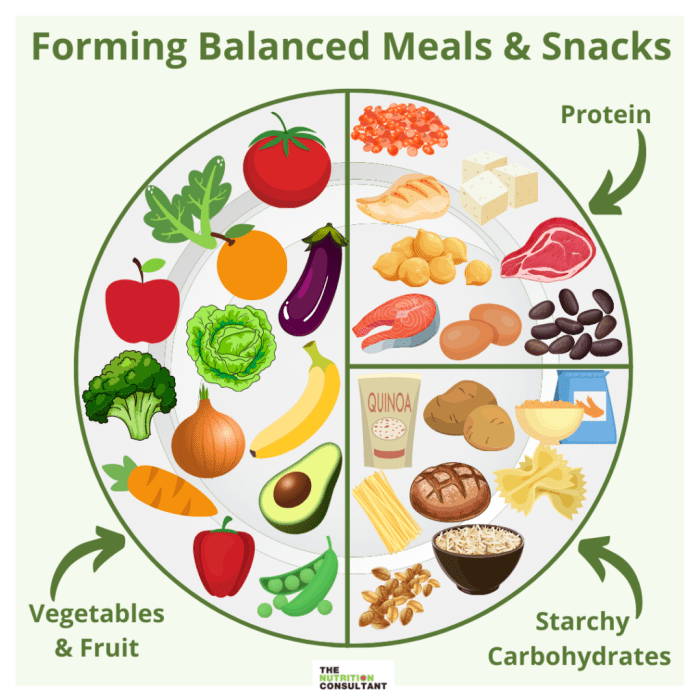
- Carbohydrates: Carbs are the body’s main source of energy. They should make up about 45-65% of your daily calorie intake.
- Proteins: Proteins are crucial for building and repairing tissues. Aim for about 10-35% of your daily calories to come from protein sources.
- Fats: Healthy fats are important for brain function and hormone production. They should make up around 20-35% of your daily calorie intake.
Strategies for Balancing Macronutrients
- Include a source of protein, a healthy fat, and a complex carbohydrate in each meal.
- Fill half your plate with vegetables and fruits to ensure a good balance of nutrients.
- Avoid processed foods high in unhealthy fats and sugars, as they can throw off your macronutrient balance.
Significance of Including a Variety of Foods
How to balance portion sizes in your diet – By including a variety of foods in your diet, you can ensure you are getting all the essential nutrients your body needs. Different foods provide different vitamins, minerals, and antioxidants that are vital for overall health and well-being. Eating a diverse range of foods also helps prevent nutrient deficiencies and keeps your meals interesting and satisfying.
Mindful Eating
Practicing mindful eating can greatly assist in balancing portion sizes in your diet. By being more aware of what and how much you are eating, you are more likely to make healthier choices and avoid overeating. Mindful eating involves paying full attention to the experience of eating and drinking, both inside and outside the body.
Techniques to Cultivate Mindfulness While Eating
- Avoid distractions: Turn off the TV, put away your phone, and focus solely on your meal.
- Eat slowly: Chew your food thoroughly and take your time to savor each bite.
- Engage your senses: Notice the colors, textures, flavors, and smells of your food.
- Listen to your body: Pay attention to hunger and fullness cues to know when to stop eating.
Benefits of Slowing Down and Savoring Each Bite
- Improved digestion: Chewing food properly aids in digestion and nutrient absorption.
- Enhanced enjoyment: By savoring each bite, you can fully appreciate the flavors and textures of your food.
- Better portion control: Being mindful of your eating experience can help you recognize when you are satisfied, preventing overeating.
- Weight management: Mindful eating can contribute to maintaining a healthy weight by promoting a balanced relationship with food.
Meal Planning
Meal planning is a crucial aspect of managing portion sizes in your diet. By planning your meals ahead of time, you can ensure that you are consuming appropriate portions and meeting your nutritional needs effectively.
Importance of Meal Prepping for Portion Control
Meal prepping plays a significant role in portion control as it helps you avoid impulsive eating decisions and ensures that you have well-balanced meals ready to go. By preparing your meals in advance, you can control the portion sizes and avoid overeating.
- Allocate time each week to plan out your meals and snacks.
- Choose recipes that are nutritious and portion-friendly.
- Invest in meal prep containers to portion out your meals in advance.
- Label your containers with the meal type and date to stay organized.
- Include a variety of food groups in your meal prepping to ensure balanced nutrition.
Strategies for Adjusting Portion Sizes
Adjusting portion sizes based on individual needs and goals is essential for maintaining a healthy diet. Here are some strategies to help you tailor your portion sizes effectively:
- Use your hand as a guide: Portion out protein (palm), carbohydrates (fist), vegetables (fist), and fats (thumb) based on the size of your hand.
- Listen to your hunger cues: Eat slowly and stop when you feel satisfied, not overly full.
- Consider your activity level: Adjust portion sizes based on your energy expenditure throughout the day.
- Consult a nutritionist: Seek professional guidance to determine the appropriate portion sizes for your individual needs and goals.
- Keep a food journal: Track your portion sizes and how they make you feel to make adjustments as needed.
Emotional Eating
Emotional eating refers to the tendency to eat in response to emotions rather than physical hunger. This can lead to overeating and unhealthy food choices, impacting our portion sizes and overall diet.
Experiencing emotions such as stress, sadness, boredom, or even happiness can trigger the urge to eat, often resulting in consuming more food than necessary. It is important to be mindful of these emotional triggers and learn to differentiate between physical hunger and emotional hunger to maintain a balanced diet.
Differentiating Physical vs. Emotional Hunger
- Physical Hunger: Develops gradually and can be satisfied by any type of food.
- Emotional Hunger: Strikes suddenly and craves specific comfort foods.
- Physical Hunger: Felt in the stomach with growling or hunger pangs.
- Emotional Hunger: Felt in the head, often triggered by specific emotions.
- Physical Hunger: Stops when you are full and satisfied.
- Emotional Hunger: Often leads to guilt and regret after eating.
Coping with Emotional Eating Triggers
- Practice Mindful Eating: Pay attention to your emotions before reaching for food.
- Find Alternative Coping Mechanisms: Engage in activities like exercise, meditation, or talking to a friend instead of eating.
- Keep a Food Journal: Track your emotions and food choices to identify patterns and triggers.
- Seek Support: Talk to a therapist or counselor to address underlying emotional issues contributing to emotional eating.
Healthy Snacking
When it comes to maintaining a balanced diet, healthy snacking plays a crucial role in keeping your energy levels up throughout the day without overeating. Here are some ideas and tips to help you incorporate portion-controlled snacks into your daily routine.
Portion-Controlled Snack Options
Choosing snacks that are pre-portioned or easy to divide into single servings can help you avoid mindlessly overeating. Consider the following healthy snack options:
- Single-serve packs of nuts or seeds
- Greek yogurt with fruit
- Veggie sticks with hummus
- Rice cakes with almond butter
Incorporating Snacks into a Balanced Diet
Snacks should complement your main meals and provide a balance of nutrients to keep you satisfied between meals. To prevent overeating, try to stick to a schedule and avoid eating out of boredom or stress. Remember to listen to your body’s hunger cues and choose snacks that are both nutritious and portion-controlled.
Maintaining Energy Levels, How to balance portion sizes in your diet
Snacking strategically can help maintain steady energy levels throughout the day. Opt for snacks that combine carbohydrates, protein, and healthy fats to keep you feeling full and energized. Avoid sugary snacks that can lead to energy crashes and choose whole foods that provide sustained nourishment.
Eating Out
When dining out, managing portion sizes can be challenging but not impossible. It’s important to be mindful of your choices and practice portion control even when you’re not preparing the meal yourself. Here are some strategies to help you navigate restaurant menus for healthier choices and maintain portion awareness when eating out.
Strategies for Managing Portion Sizes
- Avoid super-sized meals or all-you-can-eat buffets, as they often encourage overeating.
- Consider sharing an entree with a dining partner or ask for a to-go box at the beginning of the meal to portion out half of your meal for later.
- Opt for appetizers or side dishes as your main course, or choose a starter salad to help fill you up before the main dish arrives.
- Ask for dressings, sauces, and condiments on the side so you can control the amount you use.
- Be mindful of portion sizes listed on the menu and consider ordering a half portion or a kid’s meal if available.
Navigating Restaurant Menus for Healthier Choices
- Look for menu items that are grilled, steamed, or baked instead of fried or breaded.
- Choose dishes that include plenty of vegetables and lean proteins, such as grilled chicken or fish.
- Avoid dishes that are described as creamy, fried, crispy, or smothered in sauce, as they tend to be higher in calories and unhealthy fats.
- Opt for whole grains like brown rice or quinoa instead of refined grains like white rice or pasta.
- Ask your server about ingredient substitutions or modifications to make your meal healthier, such as swapping out fries for a side salad.
Importance of Portion Awareness at Restaurants
- Restaurant portions are often much larger than recommended serving sizes, leading to overeating and consuming excess calories.
- Being mindful of portion sizes can help you avoid unnecessary weight gain and maintain a balanced diet even when dining out.
- By practicing portion control and making healthier choices at restaurants, you can still enjoy eating out while staying on track with your health and wellness goals.
Monitoring Progress
Monitoring your progress is crucial when it comes to balancing portion sizes in your diet. By tracking your food intake, you can ensure that you are consuming the right amount of nutrients and calories for your body’s needs. This helps you make adjustments as needed and stay on track with your health goals.
Tools and Apps for Monitoring
- MyFitnessPal: This popular app allows you to log your meals and track your calorie intake, making it easier to monitor portion sizes.
- Lose It!: Another app that helps you track your food intake and provides insight into your nutrient distribution throughout the day.
- Fitbit: In addition to tracking your physical activity, Fitbit also has a food logging feature that can help you keep an eye on your portion sizes.
Benefits of Keeping a Food Diary
Keeping a food diary can be a powerful tool for accountability and awareness. It allows you to see patterns in your eating habits, identify areas for improvement, and stay motivated on your journey to a healthier lifestyle. By writing down what you eat, you can gain a better understanding of your portion sizes and make more informed choices when it comes to your diet.
Clarifying Questions
How can I estimate portion sizes visually?
To estimate portion sizes visually, compare them to everyday objects like a deck of cards for meat or a tennis ball for fruit. This can help you gauge appropriate serving sizes.
What are some healthy snack options that are portion-controlled?
Healthy snack options that are portion-controlled include nuts, Greek yogurt, baby carrots with hummus, and rice cakes with almond butter. These snacks provide a good balance of nutrients without overdoing it.
How do emotions impact portion sizes?
Emotions can lead to overeating or undereating, affecting portion sizes. It’s important to be mindful of emotional triggers and find healthy ways to cope with them to maintain a balanced diet.
Why is it important to monitor progress when balancing portion sizes?
Tracking your food intake helps ensure you’re sticking to appropriate portion sizes and meeting your nutritional needs. It also provides accountability and awareness, which are crucial for long-term success.

More Stories
Portion Control: Key to a Balanced Diet
Importance of a balanced diet for overall health: Key to Well-being
How to maintain healthy eating during holidays