Mental Health Benefits of Mindfulness Meditation
Mindfulness meditation is a powerful tool that can significantly improve mental wellness by promoting self-awareness, reducing stress, and enhancing emotional balance.
Improved Mental Wellness
- Regular practice of mindfulness meditation can enhance mental clarity and focus, leading to improved cognitive function and decision-making.
- It can help individuals develop a greater sense of self-awareness and self-compassion, fostering a positive mindset and stronger emotional resilience.
Positive Impact on Mental Health
- Mindfulness meditation has been shown to reduce symptoms of depression and anxiety, providing relief for individuals struggling with these mental health conditions.
- It can also improve sleep quality and overall well-being, creating a sense of calm and tranquility in daily life.
Enhanced Emotional Balance
- By cultivating mindfulness through meditation, individuals can better regulate their emotions and respond to challenging situations with clarity and composure.
- It allows for a greater sense of acceptance and non-reactivity to negative thoughts or emotions, promoting emotional balance and stability.
Reduced Stress and Anxiety
- Practicing mindfulness meditation can help lower cortisol levels, the stress hormone, leading to reduced feelings of stress and anxiety.
- It promotes relaxation and a sense of inner peace, allowing individuals to cope more effectively with daily stressors and pressures.
Physical Fitness and Mindfulness Meditation: Mental Health Benefits Of Mindfulness Meditation
Mindfulness meditation can greatly complement physical fitness routines by enhancing the mind-body connection and improving overall well-being. This practice involves focusing on the present moment without judgment, which can have numerous benefits for physical health.
Enhanced Physical Performance
- Mindfulness meditation can help athletes and fitness enthusiasts improve their performance by increasing focus, concentration, and mental clarity during workouts or competitions.
- By reducing stress and anxiety levels, mindfulness meditation can also enhance recovery time and reduce the risk of injuries, allowing individuals to train more effectively.
- Studies have shown that regular mindfulness practice can improve endurance, strength, and flexibility, leading to better physical results in various fitness activities.
Connection Between Mindfulness Meditation and Body Awareness
- Practicing mindfulness meditation can help individuals develop a deeper awareness of their body, including sensations, movements, and posture, which can improve overall coordination and balance.
- By tuning into bodily cues and signals, individuals can better understand their physical limitations and prevent overexertion or injury during exercise routines.
- Increased body awareness from mindfulness meditation can also lead to a greater appreciation of the body’s capabilities and a more positive attitude towards physical fitness.
Improved Overall Physical Well-being
- Regular mindfulness meditation has been linked to lower blood pressure, reduced inflammation, and improved cardiovascular health, all of which contribute to better physical well-being.
- By promoting relaxation and stress reduction, mindfulness meditation can enhance sleep quality, immune function, and overall energy levels, supporting a healthy and active lifestyle.
- Individuals who incorporate mindfulness meditation into their fitness routine may experience a greater sense of balance, resilience, and overall satisfaction with their physical health.
Healthy Eating and Mindfulness Meditation
Mental health benefits of mindfulness meditation – When it comes to promoting healthy eating habits, mindfulness meditation plays a crucial role in helping individuals make better food choices and cultivate mindful eating practices. By incorporating mindfulness into their daily routine, individuals can develop a deeper awareness of their food choices and eating habits, ultimately leading to a more balanced diet.
Role of Mindfulness Meditation in Promoting Healthy Eating Habits
Mindfulness meditation encourages individuals to be present in the moment, which can help them become more aware of their eating patterns and habits. This awareness can lead to a better understanding of how certain foods impact their body and overall well-being, ultimately guiding them towards making healthier food choices.
Impact of Mindfulness Meditation on Mindful Eating Practices
- Enhances awareness of hunger and fullness cues, preventing overeating.
- Promotes a deeper connection with food, allowing individuals to savor and enjoy each bite.
- Reduces emotional eating by fostering a non-judgmental attitude towards food and eating habits.
- Encourages mindful food preparation and appreciation of ingredients.
Connection Between Mindfulness Meditation and a Balanced Diet
By practicing mindfulness meditation, individuals can develop a more positive relationship with food and a deeper appreciation for the nourishment it provides. This can lead to a more balanced diet that is based on mindful choices, intuitive eating, and overall well-being.
Preventive Care and Mindfulness Meditation
Mindfulness meditation plays a crucial role in preventive healthcare by promoting overall well-being and reducing the risk of various health issues. It involves focusing on the present moment and cultivating awareness of thoughts, emotions, and bodily sensations.
Reducing Stress and Anxiety
- Mindfulness meditation helps individuals manage stress and anxiety by promoting relaxation and reducing the body’s physiological response to stressors.
- By practicing mindfulness regularly, individuals can lower their cortisol levels, which are often elevated in response to chronic stress, thereby reducing the risk of stress-related health problems.
Improving Mental Health
- Regular mindfulness meditation can prevent the onset of mental health issues such as depression and anxiety disorders by fostering emotional regulation and resilience.
- It also enhances self-awareness, which allows individuals to recognize early signs of mental health concerns and seek help proactively.
Promoting Healthy Lifestyle Choices
- Mindfulness meditation increases self-awareness around behaviors related to diet, exercise, and sleep, leading to healthier lifestyle choices.
- Individuals practicing mindfulness are more likely to engage in physical activities, maintain a balanced diet, and prioritize restful sleep, reducing the risk of chronic diseases.
Enhancing Immune Function
- Studies suggest that mindfulness meditation can boost immune function by reducing inflammation and enhancing the body’s ability to fight off infections.
- By regulating stress hormones and promoting relaxation, mindfulness meditation supports the immune system’s optimal functioning, contributing to overall health and well-being.
Balanced Diet and Mindfulness Meditation
Maintaining a balanced diet is crucial for overall health and well-being. Mindfulness meditation can play a significant role in helping individuals achieve and sustain a balanced diet by promoting mindful eating habits.
Influencing Eating Behaviors, Mental health benefits of mindfulness meditation
- Mindful eating involves paying full attention to the present moment while consuming food. This practice can help individuals become more aware of their eating habits, including portion sizes, food choices, and eating speed.
- By practicing mindfulness meditation, individuals can develop a deeper connection with their body’s hunger and fullness cues, leading to a better understanding of when to start and stop eating.
- Increased mindfulness can also reduce mindless eating behaviors, such as emotional eating or eating out of boredom, by encouraging individuals to pause and reflect on their motivations for eating.
Relationship with Nutritional Choices
- Through mindfulness meditation, individuals can cultivate a non-judgmental awareness of their food choices, allowing them to make more conscious decisions about what they eat.
- By being present in the moment while eating, individuals are more likely to choose nutritious, whole foods that support their overall health and well-being.
- Practicing mindfulness can help individuals break free from unhealthy eating patterns or cravings by fostering a sense of self-control and awareness in relation to food.
Supporting a Healthy Lifestyle
- Mindfulness meditation can support a healthy lifestyle by promoting balanced nutrition, which is essential for maintaining energy levels, managing weight, and preventing chronic diseases.
- Individuals who practice mindfulness are more likely to approach eating with a sense of gratitude, appreciation, and moderation, leading to a more sustainable and enjoyable relationship with food.
- By incorporating mindfulness into meal times, individuals can savor and fully experience the flavors and textures of their food, enhancing the overall eating experience and satisfaction.
Regular Exercise and Mindfulness Meditation
Regular exercise is essential for maintaining physical health, but when combined with mindfulness meditation, the benefits can be even greater. Mindfulness meditation can help individuals focus on the present moment, increase self-awareness, and reduce stress levels, which can enhance the overall effectiveness of a workout routine.
Enhanced Focus and Performance
- Mindfulness meditation can improve focus and concentration during exercise, allowing individuals to fully engage in their workout and perform at their best.
- By being present in the moment, individuals are more likely to push themselves harder, leading to better results and increased physical fitness.
Stress Reduction and Recovery
- Practicing mindfulness meditation before or after a workout can help reduce stress levels and promote faster recovery, allowing the body to recover more efficiently.
- Reduced stress can also prevent the release of cortisol, a stress hormone that can hinder muscle recovery and growth.
Motivation and Consistency
- Mindfulness meditation can help individuals stay motivated and committed to their exercise routine by increasing their awareness of the benefits of regular physical activity.
- By cultivating a sense of mindfulness, individuals are more likely to prioritize their health and make exercise a consistent part of their lifestyle.
Holistic Wellness and Mindfulness Meditation
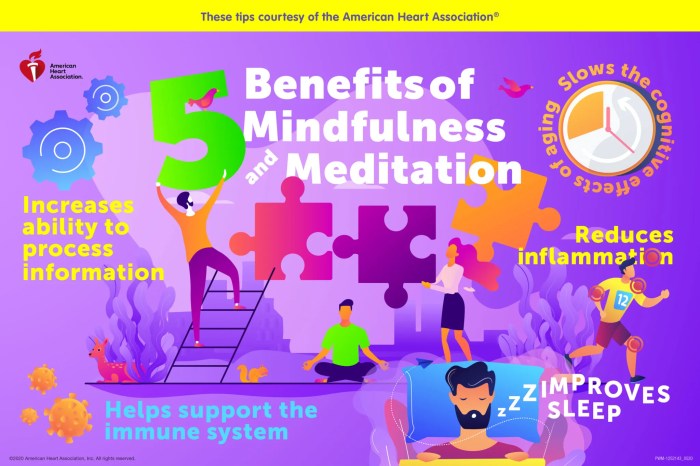
Mindfulness meditation plays a significant role in promoting holistic well-being by addressing various aspects of wellness and supporting a comprehensive approach to health.
Emotional Well-being
Mindfulness meditation helps individuals become more aware of their emotions, allowing them to regulate and manage stress, anxiety, and other negative emotions effectively.
Psychological Health
Practicing mindfulness meditation can enhance cognitive function, improve focus and concentration, and reduce symptoms of depression, ultimately leading to better psychological well-being.
Social Connections
By fostering self-awareness and empathy, mindfulness meditation can improve interpersonal relationships, communication skills, and overall social connections, contributing to a sense of belonging and community.
Spiritual Growth
For those seeking spiritual fulfillment, mindfulness meditation can deepen their connection to their inner selves, increase self-compassion, and promote a sense of purpose and meaning in life.
Chronic Diseases and Mindfulness Meditation
Mindfulness meditation has shown to be a beneficial practice for individuals managing chronic diseases. The focus on being present in the moment and cultivating awareness can have a positive impact on both physical and mental health for those dealing with long-term health conditions.
Benefits of Mindfulness Meditation for Chronic Diseases
- Mindfulness meditation can help individuals manage stress, anxiety, and depression often associated with chronic illnesses. By promoting relaxation and reducing negative emotions, it can improve overall quality of life.
- Practicing mindfulness meditation has been linked to better pain management for conditions like arthritis, fibromyalgia, and migraines. It can help individuals cope with discomfort and enhance their pain tolerance.
- Research has shown that mindfulness meditation can improve sleep quality for individuals with chronic diseases, such as insomnia and sleep apnea. Better sleep can lead to improved energy levels and mood.
Integration of Mindfulness Meditation into Treatment Plans
- Healthcare providers are increasingly incorporating mindfulness meditation into treatment plans for chronic diseases like diabetes, heart disease, and cancer. It can complement medical interventions and improve overall outcomes.
- Patients are encouraged to practice mindfulness meditation as part of their self-care routine. It can empower individuals to take an active role in managing their health and well-being alongside traditional medical treatments.
- Group mindfulness programs are being offered in healthcare settings to support individuals with chronic diseases. These programs provide a sense of community and shared experience, enhancing emotional resilience.
Immunity Boosters and Mindfulness Meditation
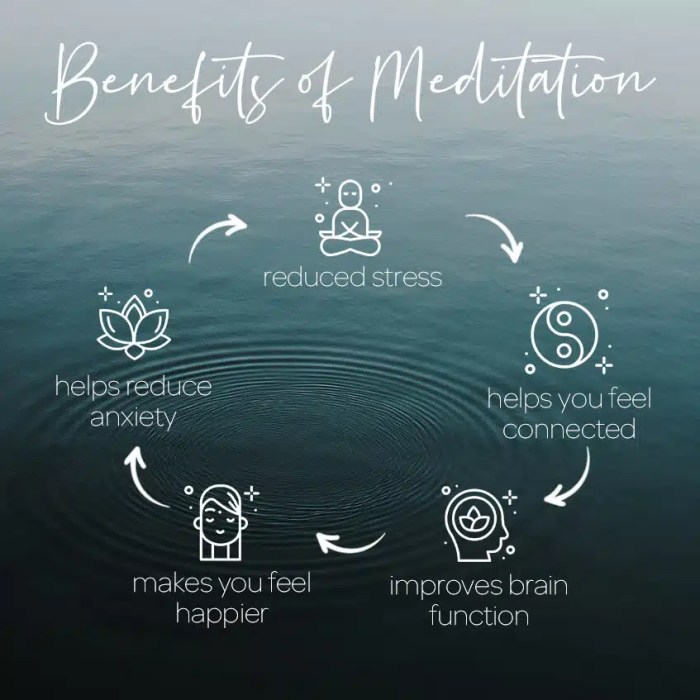
When it comes to immunity boosters, mindfulness meditation plays a crucial role in enhancing our body’s natural defenses. The relationship between mindfulness meditation and immune system function is significant, as this practice can have a positive impact on overall immune health.
Enhanced Immunity through Mindfulness Meditation
- Reduced Stress Levels: Mindfulness meditation helps lower stress hormones like cortisol, which can weaken the immune system. By managing stress, the body can better fight off infections and diseases.
- Improved Sleep Quality: A good night’s sleep is essential for a strong immune system. Mindfulness meditation promotes relaxation and better sleep patterns, which are vital for immune function.
- Enhanced Mental Clarity: Clarity of mind achieved through mindfulness meditation can positively impact immune health. When the mind is calm and focused, the body’s immune responses can function more efficiently.
Impact on Overall Immune Health
Mindfulness meditation can contribute to strengthening the body’s natural defenses by boosting the production of antibodies and enhancing the activity of immune cells. This practice also helps reduce inflammation, which is linked to various health conditions.
Contribution to Strengthening Natural Defenses
- Boosted Immune Response: Regular mindfulness meditation can improve the body’s ability to fight off infections by enhancing immune responses to pathogens.
- Increased Resilience: Mindfulness meditation cultivates resilience, enabling individuals to better cope with challenges and illnesses, ultimately supporting immune health.
- Balanced Immune Function: By promoting a balance in the body’s immune function, mindfulness meditation helps prevent autoimmune disorders and other immune-related diseases.
FAQ Overview
How often should one practice mindfulness meditation for optimal mental health benefits?
Consistency is key. Aim for at least 10-15 minutes of mindfulness meditation daily to experience noticeable improvements in mental well-being.
Can mindfulness meditation replace traditional therapy for mental health conditions?
Mindfulness meditation can be a valuable complement to therapy but should not be seen as a replacement. It can enhance mental health treatment but may not suffice on its own for severe conditions.
Are there specific mindfulness meditation techniques that focus on improving emotional balance?
Yes, techniques like loving-kindness meditation and body scan meditation are known to help individuals cultivate emotional balance and resilience.
How long does it typically take to see the mental health benefits of mindfulness meditation?
While some individuals may experience immediate benefits, it often takes a few weeks of consistent practice to notice significant improvements in mental health.



More Stories
Role of genetics in chronic diseases: Understanding the Genetic Impact on Health
How to use turmeric for immune support: Enhancing Health with Natures Golden Spice
Daily habits to enhance your immune system with Mental Wellness, Physical Fitness, Healthy Eating, Preventive Care, Balanced Diet, Regular Exercise, Mental Health, Holistic Wellness, Chronic Diseases, and Immunity Boosters