Role of Genetics in Chronic Diseases
Genetics play a crucial role in predisposing individuals to chronic diseases. The genetic makeup of an individual can influence their susceptibility to certain conditions, impacting their overall health and well-being. Let’s delve deeper into how genetics can influence the development of chronic diseases.
Impact of Genetic Mutations
Genetic mutations can significantly impact the development of chronic conditions. These mutations can alter the functioning of specific genes responsible for controlling various bodily processes. For example, mutations in the BRCA1 and BRCA2 genes are associated with an increased risk of breast and ovarian cancer. Understanding these genetic mutations is essential in predicting and managing the risk of developing chronic diseases.
Family History and Risk
A family history of certain diseases can increase an individual’s risk of developing those conditions. Genetic predisposition passed down through generations can elevate the likelihood of inheriting specific genetic variants linked to chronic diseases. For instance, a family history of cardiovascular diseases can heighten the risk of heart-related conditions in later generations. This emphasizes the importance of knowing one’s family medical history to proactively address potential health risks.
Chronic Diseases with Genetic Influence
Several chronic diseases have a significant genetic component that influences their development. Examples include cystic fibrosis, Huntington’s disease, and sickle cell anemia. These conditions are directly linked to genetic abnormalities, emphasizing the role of genetics in their manifestation. Understanding the genetic basis of these diseases is crucial for early detection, personalized treatment, and genetic counseling.
Mental Wellness
Genetics play a significant role in mental health disorders, influencing an individual’s susceptibility to conditions like anxiety and depression. Understanding the connection between genetic predisposition and mental wellness is crucial in addressing these disorders effectively.
Genetic Influence on Anxiety and Depression
Genetic factors can greatly impact an individual’s vulnerability to anxiety and depression. Studies have shown that certain genes can increase the risk of developing these conditions. For example, variations in the serotonin transporter gene have been linked to an increased likelihood of experiencing anxiety and depression.
Genetics in Bipolar Disorder and Schizophrenia
In addition to anxiety and depression, genetics also play a role in conditions like bipolar disorder and schizophrenia. Family history and genetic predisposition can significantly influence the likelihood of developing these disorders. For instance, individuals with a first-degree relative with bipolar disorder are at a higher risk of developing the condition themselves.
Role of Genetic Testing
Genetic testing can offer valuable insights into an individual’s mental health risks. By analyzing an individual’s genetic makeup, healthcare professionals can identify specific genetic markers associated with mental health disorders. This information can help in early detection, personalized treatment plans, and better management of mental wellness.
Physical Fitness
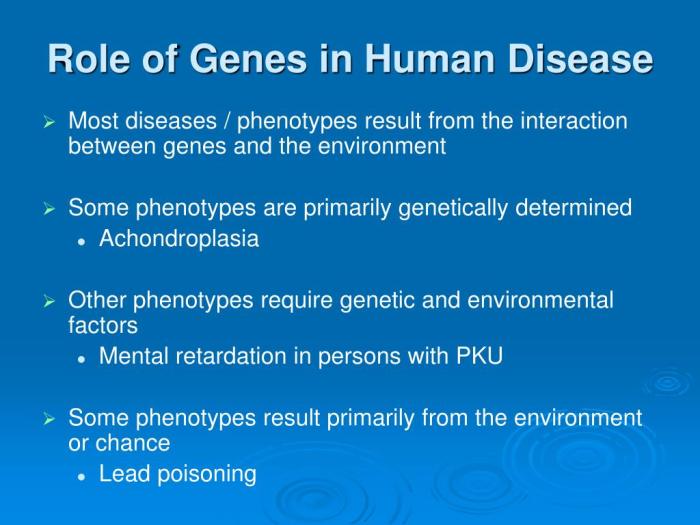
Genetics play a significant role in determining an individual’s physical fitness levels. From athletic performance to muscle strength and metabolism, genetic variations can have a profound impact on one’s overall fitness journey.
Genetic Impact on Athletic Performance
Role of genetics in chronic diseases – Genetic variations can directly influence an individual’s athletic performance. Certain genes are associated with factors such as muscle fiber composition, oxygen utilization, and energy production, all of which play a crucial role in determining an individual’s endurance, speed, and overall performance in sports.
Genetics and Muscle Strength, Endurance, and Metabolism
Genetics can also influence muscle strength, endurance, and metabolism. Some individuals may have genetic predispositions that make them more suited for power-based activities requiring explosive strength, while others may excel in endurance-based activities due to their genetic makeup.
Genetic Factors Related to Obesity and Weight Management
Genetic factors can also impact an individual’s susceptibility to obesity and their ability to manage weight effectively. Certain gene variants may predispose individuals to weight gain or make it harder for them to lose weight, highlighting the importance of personalized approaches to weight management.
Personalizing Fitness and Training Plans through Genetic Testing
Genetic testing has emerged as a valuable tool in personalizing fitness and training plans. By analyzing an individual’s genetic makeup, healthcare professionals and fitness experts can tailor exercise routines, dietary plans, and lifestyle recommendations to optimize results based on genetic predispositions and potential limitations.
Healthy Eating
Genetics play a significant role in shaping our taste preferences and food choices. These genetic variations can influence how we perceive flavors, leading to individual differences in food preferences.
Genetic Predispositions to Food-related Conditions
- Individuals with specific genetic variations may have a higher risk of conditions like celiac disease, a genetic autoimmune disorder triggered by gluten consumption.
- Genetic predispositions can also impact lactose intolerance, where individuals lack the enzyme needed to digest lactose, leading to gastrointestinal discomfort.
Impact on Nutrient Absorption and Metabolism
- Genetics can affect how our bodies absorb and metabolize nutrients, such as vitamins and minerals. Variations in genes related to metabolism can influence nutrient utilization.
- For example, some individuals may have genetic variations that affect the absorption of certain nutrients like vitamin D or iron, leading to deficiencies.
Influence on Dietary Requirements
- Genetic factors can influence an individual’s dietary requirements, such as the need for certain nutrients or a specific balance of macronutrients.
- For instance, variations in genes related to metabolism or nutrient processing may impact how someone responds to different dietary patterns, like high-fat or high-carbohydrate diets.
Preventive Care
Genetic testing plays a crucial role in identifying predispositions to certain diseases, allowing for preventive measures to be taken proactively. Understanding an individual’s genetic makeup can provide valuable insights into potential health risks and guide personalized preventive care strategies.
Identifying Disease Predispositions
Genetic testing can reveal if an individual carries specific gene variants associated with an increased risk of developing certain diseases, such as breast cancer or Alzheimer’s disease. Armed with this information, healthcare providers can recommend preventive measures tailored to the individual’s genetic risk profile.
- For example, if genetic testing indicates a higher risk of developing heart disease, lifestyle modifications such as regular exercise, a healthy diet, and smoking cessation can be recommended to reduce the risk.
- Similarly, individuals with a predisposition to certain types of cancer can undergo more frequent screenings or preventive surgeries to mitigate their risk.
Predicting Responses to Medications and Treatments
Genetics also play a role in predicting how individuals may respond to certain medications and treatments. Variations in genes can influence how the body processes drugs, affecting their effectiveness and potential side effects. By analyzing genetic data, healthcare providers can tailor treatment plans to optimize outcomes for patients.
- For instance, genetic testing can determine how an individual metabolizes certain medications, allowing for personalized dosing regimens to maximize efficacy and minimize adverse reactions.
- In the field of oncology, genetic testing can identify specific gene mutations that make tumors more susceptible to targeted therapies, improving treatment outcomes for cancer patients.
Importance of Genetic Counseling
Genetic counseling plays a crucial role in preventive healthcare by helping individuals understand their genetic risks and empowering them to make informed decisions about their health. Genetic counselors provide education, support, and guidance to individuals and families navigating complex genetic information.
- Through genetic counseling, individuals can gain a better understanding of their genetic test results, implications for their health, and available preventive options.
- Counselors can also help individuals explore the emotional and ethical implications of genetic testing, ensuring that they make choices aligned with their values and preferences.
Examples of Preventive Measures
Examples of preventive measures based on genetic risk factors include:
- Regular screenings for individuals with a genetic predisposition to certain cancers, such as BRCA gene mutations.
- Early interventions for individuals at risk for inherited cardiovascular conditions, such as familial hypercholesterolemia.
- Lifestyle modifications, such as diet and exercise changes, for individuals with genetic risk factors for obesity or diabetes.
Balanced Diet
Genetic factors play a significant role in determining individual nutrient requirements, impacting how our bodies metabolize and digest certain foods. This genetic variation can also influence food intolerances, allergies, and overall dietary needs.
Genetic Influence on Nutrient Requirements
Our genetic makeup can affect how our bodies process and absorb key nutrients such as vitamins, minerals, and macronutrients. Variations in specific genes can lead to increased or decreased requirements for certain nutrients, making personalized nutrition plans essential for optimal health.
Metabolism and Digestion of Foods
Genetic variations can impact how efficiently our bodies metabolize and digest different types of foods. For example, some individuals may have genetic predispositions that affect their ability to break down certain food components, leading to digestive issues or nutrient deficiencies.
Food Intolerances and Allergies
Genetics can also play a role in determining food intolerances and allergies. Certain genetic variations can make individuals more susceptible to developing allergies or intolerances to specific foods, highlighting the importance of personalized nutrition plans tailored to genetic profiles.
Personalized Nutrition Plans
By analyzing genetic data, healthcare professionals can create personalized nutrition plans that take into account an individual’s unique genetic makeup. These plans can help optimize nutrient intake, manage food sensitivities, and promote overall health and well-being based on genetic predispositions.
Regular Exercise
Regular exercise is essential for maintaining physical health and overall well-being. Genetics play a crucial role in determining how our bodies respond to exercise, influencing factors such as motivation, muscle recovery, injury risk, and the effectiveness of different workout routines.
Genetic Influences on Exercise Motivation and Adherence
Genetics can influence an individual’s motivation to exercise and their ability to stick to a workout routine. Certain genetic variations have been linked to increased motivation for physical activity, making it easier for some individuals to maintain regular exercise habits. Understanding these genetic factors can help personalize exercise plans to better meet individual needs.
Genetic Predispositions to Muscle Recovery and Injury Risk
Genetic variations can also impact muscle recovery and the risk of exercise-related injuries. Some individuals may have genetic markers that make them more prone to muscle injuries or slower recovery times after intense workouts. By identifying these genetic predispositions, tailored exercise programs can be developed to prevent injuries and optimize recovery.
Impact of Genetics on the Effectiveness of Different Workout Routines
Certain genetic factors can influence how our bodies respond to specific types of exercise. For example, some people may be genetically predisposed to excel in endurance activities, while others may have a greater capacity for strength training. Understanding these genetic differences can help individuals choose workout routines that align with their genetic strengths, maximizing the effectiveness of their training.
Genetic Markers for Personalized Exercise Plans
Advances in genetic testing have allowed for the identification of specific genetic markers that can guide personalized exercise plans. For instance, genetic testing can reveal information about an individual’s muscle fiber composition, aerobic capacity, and risk of exercise-related injuries. By incorporating this genetic data into exercise programs, individuals can optimize their workouts for better results and reduced injury risk.
Mental Health: Role Of Genetics In Chronic Diseases
Genetics play a significant role in mental health conditions, influencing a wide range of disorders such as ADHD, autism, and PTSD. Understanding the genetic links to these conditions can provide valuable insights into their development and potential treatment options.
Genetic Links to Mental Health Conditions
- ADHD, autism, and PTSD are complex disorders with strong genetic components.
- Studies have identified specific gene variations that increase the risk of developing these conditions.
- Genetic factors can interact with environmental influences to determine an individual’s susceptibility to mental health disorders.
Genetic Predispositions and Resilience to Stress
- Genetic predispositions can influence how individuals respond to stress and trauma.
- Some people may have genetic resilience factors that help them cope with challenging situations more effectively.
- Understanding these genetic factors can aid in the development of personalized interventions for stress-related disorders.
Genetics and Personality Traits
- Personality traits related to mental health, such as impulsivity or anxiety, can have genetic underpinnings.
- Certain gene variations have been linked to increased risk of developing specific personality traits associated with mental health disorders.
- Genetic testing and research can provide valuable information on an individual’s predisposition to certain personality traits.
Genetic Therapies and Interventions
- Advancements in genetic research have paved the way for targeted therapies for mental health disorders.
- Gene therapy and pharmacogenomics are emerging fields that aim to tailor treatments based on an individual’s genetic makeup.
- Personalized medicine approaches can lead to more effective and efficient interventions for mental health conditions.
Holistic Wellness
Genetics play a significant role in shaping our overall well-being and resilience. By understanding how genetic factors contribute to different aspects of health, we can adopt a holistic approach to wellness that takes into account our unique genetic makeup.
Genetic Factors in Holistic Wellness, Role of genetics in chronic diseases
- Genetic predispositions to certain chronic diseases can impact our physical health, influencing conditions such as heart disease, diabetes, and cancer.
- Emotional and mental wellness can also be influenced by genetics, with some individuals being more susceptible to conditions like anxiety, depression, and bipolar disorder.
- Our genetic profiles can affect how our bodies respond to stress, exercise, and nutrition, highlighting the interconnectedness of physical, mental, and emotional well-being.
Personalized Holistic Wellness Practices
- Based on genetic testing results, individuals can receive personalized recommendations for diet, exercise, and stress management techniques to optimize their health outcomes.
- Some genetic variations may indicate a higher need for specific nutrients or a greater risk of certain health conditions, allowing for targeted interventions and prevention strategies.
- Holistic wellness practices tailored to individual genetic profiles can help promote overall health, resilience, and longevity by addressing specific genetic predispositions.
Chronic Diseases
Chronic diseases such as diabetes, heart disease, and cancer have a significant genetic component that influences their development and progression. Understanding the genetic basis of these conditions is crucial in improving early detection, management, and treatment outcomes.
Genetic Basis of Common Chronic Conditions
- Diabetes, both type 1 and type 2, has been linked to specific genetic variations that affect insulin production and glucose metabolism.
- Heart disease is influenced by genetic factors such as cholesterol levels, blood pressure regulation, and heart function.
- Certain types of cancer, like breast cancer and colorectal cancer, have been associated with inherited genetic mutations that increase the risk of developing these diseases.
Genetic Testing for Early Detection and Management
- Genetic testing can help identify individuals who are at a higher risk of developing chronic diseases, allowing for early intervention and preventive measures.
- By analyzing an individual’s genetic makeup, healthcare providers can personalize treatment plans and lifestyle recommendations to better manage chronic conditions.
Role of Genetics in Disease Progression and Treatment Outcomes
- Genetic factors can influence how chronic diseases progress in individuals, affecting the severity of symptoms and response to treatment.
- Understanding the genetic underpinnings of chronic diseases can lead to targeted therapies that are more effective and have fewer side effects.
Future of Precision Medicine in Chronic Disease Management
- Precision medicine, which involves tailoring medical treatment to individual genetic profiles, holds great promise in revolutionizing the way chronic diseases are diagnosed and treated.
- Advancements in genetic technology and research are paving the way for more personalized and effective approaches to managing chronic conditions, improving patient outcomes and quality of life.
Immunity Boosters
Immunity plays a crucial role in protecting our bodies from infections and diseases. Genetic variations can significantly influence how our immune system responds to threats, making some individuals more susceptible to infections or autoimmune diseases than others. Understanding the role of genetics in immunity can help us tailor our lifestyle choices to enhance our body’s defense mechanisms.
Genetic Variations and Immune Responses
Genetic variations can impact how our immune system recognizes and fights off pathogens. Certain genes may code for proteins involved in immune responses, affecting the efficiency of our body’s defense mechanisms. For example, variations in the HLA gene complex can influence how our immune system responds to specific pathogens, making some individuals more resistant or susceptible to infections.
Immune System Function and Vaccine Efficacy
Genetics can also play a role in determining how effective vaccines are in stimulating an immune response. Genetic factors can influence how our immune system processes and remembers antigens, affecting the efficacy of vaccines in providing long-lasting immunity. Understanding our genetic predispositions can help healthcare providers personalize vaccination strategies for better immune protection.
Lifestyle Changes for Enhanced Immunity
Based on genetic predispositions, individuals can make targeted lifestyle changes to boost their immune system. For example, individuals with certain genetic variations may benefit from incorporating specific nutrients or supplements that support immune function. Regular exercise, stress management techniques, and adequate sleep can also play a significant role in strengthening immunity based on genetic factors.
FAQ Summary
Can genetics really predispose individuals to chronic diseases?
Yes, genetic factors can significantly increase the risk of developing chronic conditions such as diabetes or heart disease.
How does family history influence an individual’s risk for certain chronic diseases?
Family history of diseases can provide insights into genetic predispositions and potential risks for an individual.
What are some chronic diseases where genetics play a significant role?
Examples include diabetes, heart disease, and certain types of cancer, where genetic factors contribute to disease development.



More Stories
How to use turmeric for immune support: Enhancing Health with Natures Golden Spice
Daily habits to enhance your immune system with Mental Wellness, Physical Fitness, Healthy Eating, Preventive Care, Balanced Diet, Regular Exercise, Mental Health, Holistic Wellness, Chronic Diseases, and Immunity Boosters
Best exercises for chronic disease patients: Improve health with tailored workouts