Mental Wellness
Regular exercise plays a crucial role in postpartum recovery, not only for physical health but also for mental wellness. The mental health of new mothers is just as important as their physical well-being during this delicate period. Here are some ways in which regular exercise can positively impact mental wellness postpartum.
Reduced Stress and Anxiety
- Exercise releases endorphins, which are known as the “feel-good” hormones. These hormones can help reduce feelings of stress and anxiety that are common in the postpartum period.
- Engaging in physical activity provides a healthy outlet for pent-up emotions and can help new mothers feel more balanced and in control of their emotions.
Improved Mood and Self-Esteem
- Regular exercise has been shown to improve mood and boost self-esteem. This can be especially beneficial for new mothers who may be struggling with the physical and emotional changes that come with childbirth.
- Setting and achieving fitness goals can give new mothers a sense of accomplishment and empowerment, which can positively impact their mental well-being.
Increased Energy Levels, Regular exercise plans for postpartum recovery
- Exercise can help combat feelings of fatigue and increase energy levels, which are often depleted in the postpartum period due to lack of sleep and the demands of caring for a newborn.
- By incorporating regular physical activity into their routine, new mothers can experience a natural energy boost that can help them better cope with the challenges of motherhood.
Physical Fitness
Regular exercise is crucial for postpartum women to aid in their recovery and overall well-being. It is essential to start slowly and gradually increase intensity to avoid any strain on the body. Here are some safe and effective exercises for postpartum women:
Low-Impact Exercises
- Walking: A simple and effective way to get moving without putting too much stress on the body.
- Yoga: Helps improve flexibility, strength, and relaxation. Look for postpartum yoga classes specifically tailored for new mothers.
- Pilates: Focuses on core strength and overall body toning, which can be beneficial for postpartum recovery.
- Swimming: Provides a full-body workout while being gentle on the joints. It is a great way to increase cardiovascular fitness.
Healthy Eating
Proper nutrition plays a crucial role in postpartum recovery as it helps the body heal, replenish nutrients, and provide energy needed for new moms to care for their baby.
Balanced Diet Plan for New Moms
Regular exercise plans for postpartum recovery – Eating a well-balanced diet is essential for new moms to support their postpartum recovery and overall health. Here is a sample diet plan that complements regular exercise:
- Include a variety of fruits and vegetables to get essential vitamins and minerals.
- Incorporate whole grains like quinoa, brown rice, and oats for sustained energy.
- Include lean protein sources such as chicken, fish, tofu, and legumes for muscle repair.
- Don’t forget healthy fats like avocados, nuts, and olive oil for brain function and hormone balance.
- Stay hydrated by drinking plenty of water throughout the day.
Foods for Postpartum Healing and Energy Restoration
Specific foods can aid in postpartum healing and provide new moms with the energy they need. Here are some examples:
- Salmon: Rich in omega-3 fatty acids, which can help reduce inflammation and support brain health.
- Leafy greens: Packed with vitamins and minerals to promote healing and boost energy levels.
- Probiotic-rich foods like yogurt and kefir: Support gut health and immune function.
- Berries: High in antioxidants and fiber, which can aid in digestion and overall health.
- Oatmeal: Provides sustained energy and can help regulate blood sugar levels.
Preventive Care
Regular preventive care is crucial for postpartum women to ensure a smooth recovery and overall well-being. By taking proactive measures, new mothers can prevent potential complications and maintain good health as they navigate the challenges of early motherhood.
Importance of Preventive Care
- Attend regular check-ups with your healthcare provider to monitor your physical and emotional health.
- Stay up-to-date on recommended screenings for conditions such as postpartum depression, thyroid issues, and pelvic floor dysfunction.
- Engage in exercises that focus on strengthening core muscles to prevent diastasis recti and other common postpartum injuries.
- Follow a balanced diet rich in nutrients to support your body’s healing process and energy levels.
Tips to Prevent Injuries During Postpartum Exercise
- Avoid high-impact exercises that strain your pelvic floor and abdominal muscles.
- Gradually increase the intensity of your workouts to prevent overexertion.
- Listen to your body and modify exercises as needed to avoid discomfort or pain.
- Invest in supportive workout gear, such as a postpartum belly wrap, to provide added stability during exercise.
Significance of Regular Check-Ups and Screenings
- Regular check-ups allow healthcare providers to monitor your recovery progress and address any concerns promptly.
- Screenings help detect potential health issues early, allowing for timely intervention and treatment.
- Postpartum screenings may include assessments for postpartum depression, anemia, thyroid disorders, and other conditions that can impact your well-being.
- Stay informed about recommended screenings and discuss any questions or concerns with your healthcare provider.
Balanced Diet
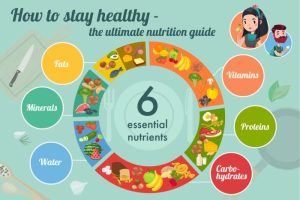
Maintaining a balanced diet is crucial for postpartum recovery as it provides the necessary nutrients for healing and overall well-being. A balanced diet includes a variety of foods that offer essential nutrients such as vitamins, minerals, protein, carbohydrates, and healthy fats.
Nutrient-Dense Meals for New Mothers
- Lean proteins like chicken, fish, tofu, and beans provide essential amino acids for muscle repair and energy.
- Whole grains such as quinoa, brown rice, and oats offer fiber for digestion and sustained energy.
- Fruits and vegetables rich in vitamins and antioxidants help boost the immune system and promote healing.
- Healthy fats from sources like avocados, nuts, and olive oil support brain function and hormone regulation.
- Dairy or dairy alternatives like yogurt and fortified plant-based milks provide calcium for bone health.
Relationship between Diet, Exercise, and Postpartum Healing
A balanced diet complements regular exercise by providing the necessary fuel for workouts and muscle recovery. Nutrient-dense meals help new mothers regain strength, energy, and vitality postpartum. By combining a healthy diet with exercise, women can enhance their overall well-being and speed up the recovery process.
Regular Exercise
Regular exercise plays a crucial role in postpartum recovery by helping women regain strength, improve mood, and boost energy levels. It can also aid in weight loss and promote overall well-being.
Benefits of Regular Exercise
- Strengthens core muscles which may have weakened during pregnancy and childbirth
- Improves cardiovascular health and endurance
- Boosts mood and reduces the risk of postpartum depression
- Helps in weight management and toning of the body
- Increases energy levels and promotes better sleep
Creating a Sustainable Exercise Plan
- Start slowly and gradually increase intensity to avoid injury
- Choose activities that you enjoy to stay motivated
- Set realistic goals and make a schedule that fits into your routine
- Include a mix of cardiovascular, strength training, and flexibility exercises
- Listen to your body and rest when needed
Frequency and Intensity of Exercise Postpartum
It is recommended to aim for at least 150 minutes of moderate-intensity exercise per week, spread out over several days.
- Start with low-impact exercises like walking, swimming, or yoga
- Gradually increase intensity as your strength and endurance improve
- Avoid high-impact activities or heavy lifting in the early postpartum period
- Consult with your healthcare provider before starting any new exercise routine
Mental Health
Regular exercise postpartum not only benefits physical health but also plays a crucial role in improving mental well-being. The impact of exercise on mental health is significant, as it helps reduce stress, anxiety, and symptoms of postpartum depression. Physical activity releases endorphins, also known as the “feel-good” hormones, which can boost mood and overall mental outlook.
Impact of Postpartum Exercise on Mental Health
Regular exercise postpartum has been shown to alleviate symptoms of postpartum depression and anxiety. Engaging in physical activity can help new mothers feel more energized, confident, and empowered. It provides a sense of accomplishment and boosts self-esteem, contributing to a positive mental state. Additionally, exercise serves as a healthy outlet for stress relief and can improve sleep quality, which is crucial for mental well-being.
Strategies for Managing Stress and Anxiety through Physical Activity
- Include a variety of exercises in your routine, such as cardio, strength training, and yoga, to keep things interesting and engaging.
- Set realistic goals and celebrate small achievements to stay motivated and maintain consistency in your exercise regimen.
- Practice mindfulness during workouts to stay present and focused, allowing you to release tension and worries from your mind.
- Engage in social activities like group classes or workout sessions with friends to enhance social connections and combat feelings of isolation.
- Listen to your body and adjust your exercise intensity or duration based on how you feel to prevent burnout and injuries.
Personal Stories on Mental Health Benefits of Postpartum Exercise
“After incorporating regular exercise into my postpartum routine, I noticed a significant improvement in my mood and overall mental health. The endorphins released during workouts helped me combat feelings of stress and anxiety, making me feel more balanced and resilient as a new mom.” – Sarah
“Exercise became my therapy postpartum. It provided me with a sense of control and stability during a time of uncertainty and emotional upheaval. I found solace in physical activity and it truly saved me from spiraling into postpartum depression.” – Emily
Holistic Wellness
Holistic wellness in the context of postpartum recovery focuses on addressing the overall well-being of a new mother, including physical, mental, emotional, and spiritual aspects.
Physical Fitness, Mental Health, and Nutrition
Physical fitness plays a crucial role in postpartum recovery by helping new moms regain strength, flexibility, and energy. Exercise routines tailored to postpartum needs can aid in improving muscle tone, boosting metabolism, and enhancing overall physical well-being. Additionally, engaging in activities like yoga or Pilates can promote relaxation, reduce stress, and improve posture.
Mental health is equally important in holistic wellness, as postpartum depression and anxiety are common challenges faced by new mothers. Seeking support from healthcare professionals, joining support groups, and practicing self-care techniques such as mindfulness and meditation can help improve mental well-being during the postpartum period.
Nutrition is another key component of holistic wellness, as the body requires essential nutrients to recover from childbirth and support breastfeeding. A balanced diet rich in fruits, vegetables, lean proteins, and whole grains can provide the necessary vitamins and minerals needed for postpartum recovery. Hydration is also crucial for nursing mothers to maintain milk supply and overall health.
Holistic Practices and Therapies
In addition to physical fitness, mental health, and nutrition, there are various holistic practices and therapies that can enhance postpartum recovery. Acupuncture, massage therapy, aromatherapy, and herbal remedies are popular choices for new mothers seeking natural ways to support their well-being. These alternative therapies can help reduce pain, promote relaxation, and improve overall quality of life during the postpartum period.
Chronic Diseases
Regular exercise plays a crucial role in preventing chronic diseases postpartum. By engaging in physical activity, new mothers can significantly reduce the risk of developing various long-term health conditions. Maintaining a healthy lifestyle postpartum is essential for lowering the chances of facing chronic diseases later in life.
Link between Physical Activity and Chronic Disease Prevention
Regular exercise can help improve cardiovascular health, lower blood pressure, and manage weight, all of which are key factors in preventing chronic diseases such as heart disease, diabetes, and certain types of cancer. Physical activity also boosts the immune system and enhances overall well-being, reducing the likelihood of developing chronic conditions.
- Engaging in aerobic exercises like walking, swimming, or cycling can improve heart health and reduce the risk of cardiovascular diseases.
- Strength training exercises help maintain muscle mass and bone density, lowering the chances of osteoporosis and fractures.
- Regular physical activity can enhance insulin sensitivity and blood sugar control, reducing the risk of type 2 diabetes.
- Moderate exercise has been linked to a decreased risk of certain types of cancer, such as breast and colon cancer.
Immunity Boosters
Regular exercise plays a crucial role in boosting immunity for postpartum women. By engaging in physical activity, women can enhance their immune function, reduce inflammation, and improve overall health. Combined with a balanced diet, exercise can help strengthen the immune system and protect against illnesses.
Specific Exercises for Immune Function
- Cardiovascular exercises such as brisk walking, jogging, or cycling can help increase circulation and promote immune cell activity.
- Strength training exercises like weightlifting or bodyweight exercises can improve muscle mass and immune response.
- Yoga and Pilates can reduce stress levels, which in turn can boost immunity.
Role of Balanced Diet and Exercise in Immune System
A balanced diet rich in fruits, vegetables, whole grains, lean proteins, and healthy fats provides essential nutrients that support immune function. Regular exercise helps regulate immune responses, reduce chronic inflammation, and improve overall immune health postpartum.
FAQ: Regular Exercise Plans For Postpartum Recovery
How soon can I start exercising after childbirth?
It is advisable to wait until your postpartum check-up (usually 6 weeks after delivery) before starting any exercise routine. Listen to your body and consult your healthcare provider before beginning.
Can I do high-intensity workouts postpartum?
High-intensity workouts should be approached with caution postpartum. It’s best to start with low-impact exercises and gradually increase intensity as your body strengthens and recovers.
Are there specific foods that can aid in postpartum recovery?
Foods rich in nutrients like lean proteins, fruits, vegetables, and whole grains can aid in postpartum healing and energy restoration. A balanced diet is key for a healthy recovery.
How often should I exercise postpartum?
It’s recommended to aim for at least 150 minutes of moderate-intensity exercise per week, spread throughout several days. Listen to your body and adjust intensity as needed.
More Stories