Healthy eating tips for busy people on the go can be a challenge, but it’s not impossible. Juggling work, family, and social commitments often leaves little time for planning and preparing healthy meals. However, with a few simple strategies, you can nourish your body and mind even with a hectic schedule.
This guide provides practical tips and strategies for making healthy choices on the go. We’ll explore time-saving meal prep techniques, smart snacking options, and how to navigate restaurant menus for healthier choices. We’ll also discuss the connection between healthy eating and physical and mental well-being, as well as its role in preventing chronic diseases and boosting immunity.
Making Healthy Choices When Eating Out: Healthy Eating Tips For Busy People On The Go
Eating out can be a fun and social experience, but it can also be a challenge when trying to maintain a healthy diet. Restaurants often serve large portions of food that are high in calories, fat, and sodium. However, with a little planning and knowledge, you can still enjoy eating out without compromising your health goals.
Navigating Restaurant Menus
Making healthy choices at restaurants starts with carefully navigating the menu. It’s essential to understand the various options and be able to identify healthier choices. Here are some tips:
- Look for grilled, baked, or broiled dishes. These cooking methods typically use less fat than frying.
- Choose lean protein sourcessuch as fish, chicken breast, or tofu. Avoid red meat and processed meats as much as possible.
- Opt for whole grainsover refined grains. Look for dishes that include brown rice, quinoa, or whole-wheat bread.
- Order vegetables as sides. Vegetables are naturally low in calories and high in nutrients. Avoid creamy sauces and dressings that add extra calories and fat.
- Read the descriptions carefully. Pay attention to the ingredients and preparation methods. Look for words like “grilled,” “baked,” “steamed,” or “broiled.” Avoid dishes that are described as “crispy,” “fried,” “creamy,” or “breaded.”
Ordering Meals That Are Lower in Calories, Fat, and Sodium
When ordering your meal, you can take several steps to reduce your calorie, fat, and sodium intake.
- Ask for substitutions. For example, request grilled chicken instead of fried chicken, or ask for your salad dressing on the side so you can control how much you use.
- Order smaller portions. Many restaurants offer smaller portions or “light” versions of their dishes. You can also ask for a half-portion or to share a dish with a friend.
- Avoid appetizers. Appetizers are often high in calories and fat. If you must have an appetizer, choose a lighter option such as a salad or a vegetable platter.
- Skip the bread basket. Bread is high in carbohydrates and can quickly add up in calories.
- Drink water. Sugary drinks like soda and juice are high in calories and can contribute to weight gain. Water is a healthy and calorie-free alternative.
Asking for Modifications to Meals
Don’t be afraid to ask for modifications to your meal. Most restaurants are happy to accommodate special requests.
- Request substitutions. For example, you can ask for grilled chicken instead of fried chicken, or ask for your salad dressing on the side so you can control how much you use.
- Ask for smaller portions. Many restaurants offer smaller portions or “light” versions of their dishes. You can also ask for a half-portion or to share a dish with a friend.
- Request that your food be prepared without certain ingredients. For example, you can ask for your food to be prepared without butter, salt, or oil.
Healthy Eating and Physical Fitness
A healthy diet and regular exercise are fundamental components of a well-rounded lifestyle, each playing a crucial role in supporting the other.
Fueling Workouts and Supporting Recovery
A balanced diet provides the essential nutrients that power workouts and aid in muscle recovery.
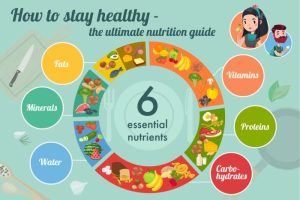
- Carbohydratesare the body’s primary energy source, providing the fuel needed for sustained physical activity. Complex carbohydrates, found in whole grains, fruits, and vegetables, are digested slowly and provide a steady stream of energy.
- Proteinsare essential for building and repairing muscle tissue, crucial for both performance and recovery. Consuming adequate protein after exercise helps replenish muscle stores and promotes muscle growth.
- Healthy Fatsprovide energy and support hormone production. They also help the body absorb essential vitamins.
Healthy Eating and Mental Health
You might be surprised to learn that what you eat can have a significant impact on your mood and mental well-being. A healthy diet provides the essential nutrients your brain needs to function optimally, supporting everything from cognitive function to emotional regulation.
The Connection Between Nutrition and Mood Regulation, Healthy eating tips for busy people on the go
A balanced diet plays a crucial role in mood regulation. When you eat a variety of nutrient-rich foods, you provide your body with the building blocks it needs to produce neurotransmitters, chemical messengers that regulate mood, sleep, appetite, and other vital functions.
For example, certain amino acids, found in protein-rich foods, are precursors to serotonin, a neurotransmitter associated with feelings of happiness and well-being.
Foods That Support Brain Health and Cognitive Function
- Omega-3 Fatty Acids:Found in fatty fish like salmon, tuna, and mackerel, omega-3 fatty acids are essential for brain function and development. They support cognitive function, memory, and mood regulation.
- B Vitamins:B vitamins, particularly B12 and folate, are crucial for the production of neurotransmitters. Good sources include leafy green vegetables, eggs, and fortified cereals.
- Antioxidants:Found in fruits and vegetables, antioxidants protect brain cells from damage caused by free radicals, which can contribute to cognitive decline. Berries, dark chocolate, and nuts are excellent sources of antioxidants.
- Probiotics:Probiotics are beneficial bacteria found in fermented foods like yogurt, sauerkraut, and kimchi. They have been linked to improved mood and cognitive function, possibly by influencing the gut-brain axis.
Healthy Eating and Chronic Diseases
A balanced diet is crucial for overall health and well-being, particularly when it comes to preventing or managing chronic diseases. Chronic diseases, such as heart disease, diabetes, and certain types of cancer, are often linked to lifestyle factors, including dietary choices.
By adopting a healthy eating pattern, you can significantly reduce your risk of developing these conditions or manage them effectively if you already have them.
The Role of Nutrition in Preventing Chronic Diseases
A well-balanced diet plays a significant role in reducing the risk of chronic diseases by providing the body with essential nutrients that support various bodily functions. Here’s how nutrition can contribute to preventing or managing chronic diseases:
Heart Disease
Heart disease is a leading cause of death worldwide, and dietary factors play a crucial role in its development.
- Reduce saturated and trans fats:These fats raise LDL cholesterol levels, which can clog arteries and increase the risk of heart disease. Limit your intake of red meat, processed foods, and fried foods.
- Increase intake of fruits, vegetables, and whole grains:These foods are rich in fiber, which helps lower LDL cholesterol levels and improve heart health.
- Choose lean protein sources:Opt for fish, poultry without skin, beans, lentils, and tofu as sources of protein.
- Limit sodium intake:Excess sodium can contribute to high blood pressure, a major risk factor for heart disease. Read food labels carefully and choose low-sodium options.
Diabetes
Diabetes is a metabolic disorder characterized by high blood sugar levels.
- Control carbohydrate intake:Choose complex carbohydrates, such as whole grains, fruits, and vegetables, over refined carbohydrates like white bread and sugary drinks.
- Maintain a healthy weight:Obesity is a major risk factor for type 2 diabetes. Losing even a small amount of weight can significantly improve blood sugar control.
- Include fiber in your diet:Fiber helps regulate blood sugar levels and slows down the absorption of carbohydrates.
Cancer
Certain types of cancer are linked to dietary factors.
- Increase fruit and vegetable intake:Fruits and vegetables are rich in antioxidants, which can help protect cells from damage and reduce the risk of certain cancers.
- Limit processed meats:Processed meats, such as bacon, sausage, and hot dogs, are linked to an increased risk of colorectal cancer.
- Choose whole grains over refined grains:Whole grains provide more fiber and nutrients, which can help reduce the risk of certain cancers.
Healthy Eating and Immunity Boosters

A strong immune system is crucial for protecting your body from infections and illnesses. While genetics and lifestyle factors play a role, your diet can significantly impact your immune function. Consuming a balanced and nutritious diet rich in immune-boosting foods can help strengthen your body’s natural defenses.
The Importance of Vitamins, Minerals, and Antioxidants for Immune Function
Vitamins, minerals, and antioxidants are essential nutrients that play vital roles in supporting a healthy immune system. These nutrients work together to protect your body from infections and diseases.
- Vitamin C:A potent antioxidant that helps boost the production of white blood cells, which are essential for fighting off infections. Good sources of vitamin C include citrus fruits, berries, and leafy green vegetables.
- Vitamin D:Plays a crucial role in regulating immune responses and reducing inflammation. Sunlight exposure is a primary source of vitamin D, but it can also be obtained from fatty fish, eggs, and fortified foods.
- Zinc:Essential for the development and function of immune cells, including T cells and natural killer cells, which are crucial for fighting off infections. Good sources of zinc include oysters, red meat, beans, and nuts.
- Selenium:An important mineral that helps regulate immune responses and protect cells from damage caused by free radicals. Sources of selenium include Brazil nuts, tuna, and eggs.
- Antioxidants:Help protect cells from damage caused by free radicals, which can weaken the immune system. Antioxidants are found in fruits, vegetables, and whole grains.
How a Healthy Diet Can Help the Body Fight Off Infections and Illnesses
A healthy diet rich in immune-boosting foods can help strengthen your body’s natural defenses and make it better equipped to fight off infections and illnesses.
- Provides essential nutrients:A balanced diet provides your body with the essential vitamins, minerals, and antioxidants it needs to support a healthy immune system.
- Supports gut health:The gut microbiome plays a crucial role in immune function. A diet rich in fiber and probiotics can help promote a healthy gut microbiome, which can strengthen your immune system.
- Reduces inflammation:Chronic inflammation can weaken the immune system. A healthy diet can help reduce inflammation by limiting processed foods, sugary drinks, and saturated fats.
- Boosts energy levels:A nutritious diet provides your body with the energy it needs to function optimally, including fighting off infections.
Ultimate Conclusion
By incorporating these tips into your daily routine, you can enjoy the benefits of healthy eating even when you’re short on time. Remember, it’s not about perfection, but about making small, sustainable changes that fit your lifestyle. Embrace the journey towards a healthier, happier you, one mindful bite at a time.
Helpful Answers
What are some quick and easy breakfast options for busy mornings?
Overnight oats, smoothies, yogurt with fruit and granola, and hard-boiled eggs are all excellent choices for a quick and nutritious breakfast.
How can I stay hydrated when I’m on the go?
Carry a reusable water bottle with you and refill it throughout the day. You can also opt for water-rich fruits and vegetables like watermelon, cucumbers, and spinach.
Are there any healthy snacks that are good for energy levels?
Trail mix, nuts, seeds, dried fruit, and hard-boiled eggs are great for providing sustained energy. These snacks are also packed with nutrients that can help improve focus and concentration.


More Stories