Healthy eating strategies for managing diabetes are crucial for maintaining blood sugar levels and preventing complications. Diabetes is a chronic condition that affects how the body regulates blood sugar, and a well-planned diet can significantly impact overall health and well-being.
This guide explores the essential principles of diabetes-friendly eating, emphasizing the importance of balanced macronutrients, key nutrients, and mindful eating habits.
By understanding the connection between food choices and blood sugar control, individuals with diabetes can empower themselves to make informed decisions that support their health and improve their quality of life. From building a personalized diet plan to incorporating regular physical activity and managing stress, this comprehensive guide provides practical tips and insights to navigate the journey of diabetes management through healthy eating.
Understanding Diabetes and Healthy Eating
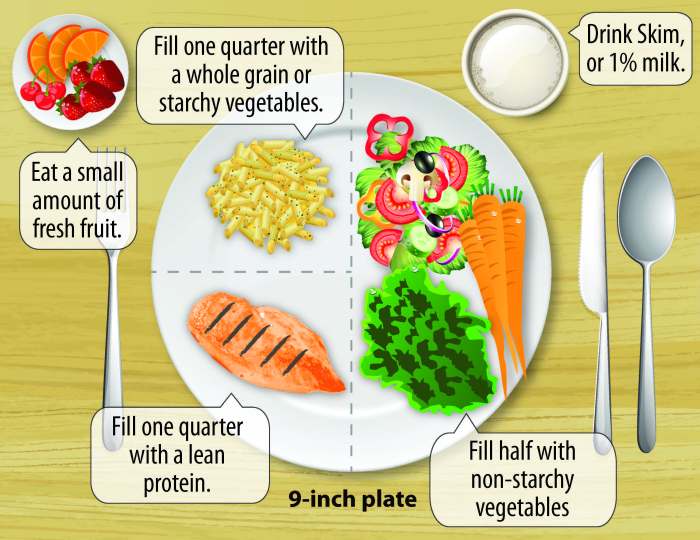
Diabetes is a chronic condition that affects how your body regulates blood sugar. A healthy diet plays a crucial role in managing diabetes and preventing complications.
The Connection Between Diabetes and Diet
Your diet directly influences your blood sugar levels. When you eat, your body breaks down carbohydrates into glucose, which is then absorbed into your bloodstream. Insulin, a hormone produced by the pancreas, helps move glucose from your bloodstream into your cells for energy.
In people with diabetes, either the pancreas doesn’t produce enough insulin (type 1 diabetes) or the body doesn’t respond properly to insulin (type 2 diabetes). This leads to high blood sugar levels.
The Impact of Blood Sugar Levels on the Body
Sustained high blood sugar levels can damage various organs and tissues over time, leading to complications such as:* Heart disease:High blood sugar can damage blood vessels, increasing the risk of heart attacks and strokes.
Kidney disease
High blood sugar can damage the tiny blood vessels in the kidneys, leading to kidney failure.
Nerve damage
High blood sugar can damage nerves, causing numbness, tingling, and pain in the hands and feet.
Eye damage
High blood sugar can damage the blood vessels in the eyes, leading to vision loss and blindness.
The Effect of Different Food Groups on Blood Sugar
Different food groups affect blood sugar levels in different ways. Here’s a breakdown of how various food groups impact blood sugar:* Carbohydrates:Carbohydrates are broken down into glucose, which directly raises blood sugar. Foods high in carbohydrates, such as bread, pasta, rice, and sugary drinks, can cause a rapid spike in blood sugar.
Proteins
Proteins have a minimal impact on blood sugar levels compared to carbohydrates. They are digested more slowly and release glucose gradually.
Fats
Fats have the least impact on blood sugar levels. They are digested slowly and do not cause significant fluctuations in blood sugar.
Building a Diabetes-Friendly Diet Plan: Healthy Eating Strategies For Managing Diabetes

A diabetes-friendly diet plan is a cornerstone of managing diabetes effectively. It focuses on maintaining stable blood sugar levels, preventing complications, and supporting overall health. This plan involves carefully selecting foods, managing portion sizes, and understanding the impact of meals on blood sugar.
Sample Meal Plan for Diabetics
A balanced meal plan for diabetics should include a variety of nutrient-rich foods, prioritizing complex carbohydrates, lean protein, and healthy fats. Here is a sample meal plan for a diabetic individual:
Breakfast
Oatmeal with berries and nuts
A cup of oatmeal with half a cup of berries and a quarter cup of nuts provides complex carbohydrates, fiber, and healthy fats for sustained energy.
Greek yogurt with fruit and granola
A cup of Greek yogurt with half a cup of fruit and a quarter cup of granola offers protein, calcium, and probiotics, contributing to a balanced breakfast.
Lunch
Tuna salad sandwich on whole-wheat bread
A sandwich made with two slices of whole-wheat bread, tuna salad, and vegetables like lettuce and tomato provides protein, fiber, and essential nutrients.
Lentil soup with a side salad
A bowl of lentil soup with a side salad provides fiber, protein, and antioxidants, supporting blood sugar management.
Dinner
Salmon with roasted vegetables
A 4-ounce serving of salmon with a cup of roasted vegetables like broccoli, carrots, and bell peppers offers lean protein, omega-3 fatty acids, and essential vitamins and minerals.
Chicken stir-fry with brown rice
A stir-fry made with chicken breast, vegetables, and brown rice provides protein, fiber, and complex carbohydrates for a satisfying and healthy dinner.
Snacks
Apple slices with peanut butter
A medium apple sliced with two tablespoons of peanut butter offers fiber, protein, and healthy fats for a satisfying and nutritious snack.
Hard-boiled eggs
Two hard-boiled eggs provide protein and healthy fats for a convenient and quick snack.
Foods to Include and Avoid
A diabetes-friendly diet emphasizes including certain foods while limiting others.
Foods to Include
- Complex carbohydrates:Whole grains, legumes, fruits, and vegetables provide slow-releasing energy and fiber, helping regulate blood sugar levels.
- Lean protein:Chicken, fish, beans, lentils, and tofu are excellent sources of protein, supporting muscle mass and satiety.
- Healthy fats:Unsaturated fats found in avocados, nuts, seeds, and olive oil promote heart health and help manage blood sugar.
- Fiber-rich foods:Whole grains, legumes, fruits, and vegetables provide fiber, which helps slow down the absorption of sugar into the bloodstream.
- Low-fat dairy products:Milk, yogurt, and cheese can provide calcium and protein while keeping fat intake in check.
Foods to Avoid or Limit
- Simple carbohydrates:Sugary drinks, processed foods, and refined grains can cause rapid spikes in blood sugar levels.
- Saturated and trans fats:Found in red meat, butter, and fried foods, these fats can increase cholesterol levels and contribute to heart disease.
- Processed foods:High in sugar, sodium, and unhealthy fats, processed foods can negatively impact blood sugar control and overall health.
- Excessive alcohol:Alcohol can interfere with blood sugar management and increase the risk of complications.
Portion Control and Meal Frequency
Managing portion sizes and meal frequency is crucial for effective blood sugar management.
Portion Control
- Use smaller plates:Eating from smaller plates can help reduce portion sizes without feeling deprived.
- Read food labels:Pay attention to serving sizes and calories to make informed choices.
- Divide meals into smaller portions:Eating smaller meals more frequently can help maintain stable blood sugar levels.
Meal Frequency
- Eat regular meals:Aim for three meals per day with healthy snacks in between.
- Avoid skipping meals:Skipping meals can lead to low blood sugar, which can be dangerous.
- Plan snacks in advance:Having healthy snacks on hand can prevent impulsive choices and help maintain stable blood sugar levels.
Key Nutrients for Diabetes Management
Managing diabetes effectively involves making smart dietary choices, and understanding the role of key nutrients is crucial. Certain nutrients play a vital role in regulating blood sugar levels, supporting overall health, and mitigating complications associated with diabetes.
Fiber’s Role in Blood Sugar Regulation
Fiber is a type of carbohydrate that the body cannot digest. This indigestible nature makes it a valuable tool for managing blood sugar levels. When consumed, fiber slows down the absorption of sugar from the digestive tract, preventing rapid spikes in blood glucose.
- Slows Sugar Absorption:Fiber acts like a sponge, absorbing water and slowing down the movement of food through the digestive system. This delayed absorption prevents a rapid surge in blood sugar levels after meals.
- Improves Insulin Sensitivity:Regular fiber intake can improve insulin sensitivity, making the body more responsive to insulin’s effects. This enhanced sensitivity helps cells utilize glucose more efficiently, further contributing to blood sugar control.
- Promotes Regular Bowel Movements:Fiber is essential for maintaining healthy digestion. It adds bulk to stools, promoting regular bowel movements and preventing constipation. Constipation can exacerbate diabetes complications, making regular bowel function crucial.
Protein’s Importance in Blood Sugar Stability
Protein plays a critical role in maintaining blood sugar stability. Unlike carbohydrates, which break down quickly into glucose, protein is digested and absorbed more slowly. This slow absorption helps prevent rapid blood sugar fluctuations.
- Sustained Energy Release:Protein provides a sustained release of energy, preventing the rapid spikes and crashes associated with carbohydrate-rich meals.
- Promotes Satiety:Protein is more filling than carbohydrates, helping individuals feel fuller for longer. This can be beneficial for diabetes management as it can reduce the urge to overeat and help maintain a healthy weight.
- Supports Muscle Mass:Protein is essential for building and maintaining muscle mass. Muscle tissue is more metabolically active than fat tissue, helping the body utilize glucose more efficiently.
Essential Vitamins and Minerals for Diabetic Health, Healthy eating strategies for managing diabetes
A balanced diet rich in essential vitamins and minerals is crucial for individuals with diabetes. These nutrients support various bodily functions, including blood sugar regulation, nerve health, and immune function.
- Vitamin D:Studies suggest that vitamin D may play a role in insulin sensitivity and blood sugar control. Good sources include fatty fish, eggs, and fortified foods.
- Magnesium:Magnesium is involved in insulin production and glucose metabolism. It can be found in leafy green vegetables, nuts, and seeds.
- Chromium:Chromium enhances insulin’s effectiveness, helping cells use glucose more efficiently. Good sources include whole grains, brewer’s yeast, and meat.
- Potassium:Potassium is essential for maintaining blood pressure and nerve function. It is abundant in bananas, potatoes, and leafy green vegetables.
- Vitamin B12:Vitamin B12 plays a vital role in nerve function, which is crucial for individuals with diabetes. Good sources include meat, fish, poultry, and dairy products.
Final Summary
Embracing a diabetes-friendly lifestyle is an ongoing journey that requires dedication and consistency. By adopting healthy eating strategies, individuals with diabetes can take control of their health and live fulfilling lives. Remember, seeking guidance from a registered dietitian or healthcare professional can provide personalized support and ensure that dietary choices align with individual needs and medical conditions.
FAQ Guide
What are some common food substitutions for healthier options?
Instead of sugary drinks, choose water, unsweetened tea, or diet soda. Swap white bread for whole-grain options. Replace fatty meats with lean protein sources like fish, poultry, or beans. Opt for fruits and vegetables over processed snacks.
Can I still enjoy my favorite foods with diabetes?
Yes, but moderation is key. It’s possible to enjoy treats occasionally, but they should be balanced with healthy choices. Consulting a registered dietitian can help you create a personalized plan that allows for flexibility while maintaining blood sugar control.
How often should I eat with diabetes?
Spacing meals and snacks throughout the day helps regulate blood sugar levels. Aim for 3 main meals and 1-2 snacks to maintain consistent energy and prevent blood sugar spikes.



More Stories