Daily physical fitness habits for long-term health are not just about achieving a sculpted physique; they are about investing in a healthier, happier, and more fulfilling life. Regular exercise, beyond its impact on physical fitness, plays a vital role in preventing chronic diseases, enhancing mental well-being, and improving overall quality of life.
This article delves into the importance of incorporating daily physical activity into your routine, exploring various types of exercise, the role of nutrition and rest, and addressing common barriers to achieving long-term fitness goals. We’ll provide practical tips, strategies, and resources to empower you to embark on a journey towards a healthier and more vibrant you.
The Importance of Daily Physical Fitness
Regular physical activity is not just about achieving a toned physique or enhancing athletic performance. It plays a pivotal role in maintaining long-term health and well-being. Engaging in daily physical fitness habits can significantly impact various aspects of our lives, from preventing chronic diseases to boosting mental clarity.
Benefits of Regular Exercise for Long-Term Health
Regular exercise offers a multitude of health benefits that extend far beyond aesthetics. Engaging in physical activity on a consistent basis can help prevent chronic diseases, improve cardiovascular health, strengthen bones and muscles, and enhance overall well-being.
- Reduced Risk of Chronic Diseases:Regular exercise has been consistently linked to a lower risk of developing chronic diseases such as heart disease, stroke, type 2 diabetes, and some types of cancer. Physical activity helps regulate blood sugar levels, improve cholesterol levels, and reduce blood pressure, all of which contribute to a lower risk of these conditions.
- Improved Cardiovascular Health:Exercise strengthens the heart and lungs, making them more efficient at pumping blood and delivering oxygen throughout the body. This improved cardiovascular health reduces the risk of heart disease, stroke, and other cardiovascular problems.
- Stronger Bones and Muscles:Weight-bearing exercises, such as walking, running, and weightlifting, help strengthen bones and prevent osteoporosis, a condition that weakens bones and increases the risk of fractures. Exercise also helps build and maintain muscle mass, which is essential for strength, balance, and mobility.
- Enhanced Mental Well-being:Exercise has a profound impact on mental health. It releases endorphins, which have mood-boosting effects, and helps reduce stress, anxiety, and depression. Regular physical activity can also improve sleep quality, cognitive function, and overall sense of well-being.
The Role of Physical Activity in Preventing Chronic Diseases
Physical activity plays a crucial role in preventing chronic diseases, which are the leading causes of death and disability worldwide. Regular exercise can significantly reduce the risk of developing these conditions by promoting healthy blood sugar levels, improving cholesterol levels, and reducing blood pressure.
- Heart Disease:Exercise helps strengthen the heart and improve blood circulation, reducing the risk of heart attacks, strokes, and other cardiovascular problems. Studies have shown that people who engage in regular physical activity have a significantly lower risk of developing heart disease compared to those who are sedentary.
- Type 2 Diabetes:Exercise helps regulate blood sugar levels by increasing insulin sensitivity. This means that the body is better able to use glucose for energy, reducing the risk of developing type 2 diabetes. Regular physical activity can also help manage blood sugar levels in people who already have diabetes.
- Some Types of Cancer:Several studies have shown that regular exercise can reduce the risk of developing certain types of cancer, including colon, breast, and endometrial cancer. Physical activity helps maintain a healthy weight, which is a key factor in reducing cancer risk. Exercise also boosts the immune system, which may help fight off cancer cells.
Exercise and Mental Well-being
The benefits of exercise extend beyond physical health and encompass mental well-being. Regular physical activity can significantly improve mood, reduce stress and anxiety, and enhance cognitive function.
- Mood Enhancement:Exercise releases endorphins, which have mood-boosting effects. These natural chemicals act as pain relievers and create feelings of euphoria and well-being. Regular exercise can help reduce symptoms of depression and anxiety.
- Stress Reduction:Physical activity provides an outlet for stress and tension. Engaging in exercise can help clear the mind, release pent-up energy, and promote relaxation. Studies have shown that exercise can be as effective as medication in reducing stress and anxiety.
- Improved Cognitive Function:Exercise has been shown to improve cognitive function, including memory, attention, and processing speed. Physical activity increases blood flow to the brain, which helps deliver oxygen and nutrients essential for brain health. Regular exercise can also help protect against age-related cognitive decline.
Recommended Daily Physical Activity Guidelines
The amount of physical activity recommended for each age group varies, but the general guideline is to engage in at least 150 minutes of moderate-intensity aerobic activity or 75 minutes of vigorous-intensity aerobic activity per week.
| Age Group | Recommended Daily Physical Activity |
|---|---|
| Children and Adolescents (6-17 years) | At least 60 minutes of moderate-to-vigorous physical activity daily, with at least 3 days of vigorous-intensity activity per week. |
| Adults (18-64 years) | At least 150 minutes of moderate-intensity aerobic activity or 75 minutes of vigorous-intensity aerobic activity per week, spread across at least 3 days. |
| Older Adults (65 years and older) | At least 150 minutes of moderate-intensity aerobic activity or 75 minutes of vigorous-intensity aerobic activity per week, spread across at least 3 days. |
Integrating Physical Fitness into Daily Routine
It’s not about squeezing in workouts; it’s about making physical activity a natural part of your day. It’s about creating a lifestyle that supports your health and well-being.
Finding Time for Exercise
Finding time for exercise can be a challenge, especially with a busy schedule. However, it’s essential to prioritize your health and find ways to incorporate physical activity into your daily routine.
- Start Small: Begin with short, 10-15 minute workouts and gradually increase the duration and intensity as you get fitter. Even small amounts of exercise can make a big difference.
- Break It Up: Instead of trying to squeeze in one long workout, break it up into shorter sessions throughout the day. A 10-minute walk during your lunch break or a quick set of exercises before bed can add up to significant activity.
- Multitask: Combine exercise with other activities. Walk or cycle to work or the grocery store. Take the stairs instead of the elevator. While watching TV, do some light stretching or jumping jacks during commercial breaks.
Finding Enjoyable Activities
Exercise should be something you enjoy, not a chore. If you don’t like running, don’t force yourself to do it. Explore different activities until you find something that you look forward to doing.
- Try New Things: Experiment with various activities, such as dancing, swimming, hiking, or team sports. You might discover a hidden passion you never knew you had.
- Join a Group: Joining a fitness class or a sports team can provide motivation, accountability, and a sense of community. It can also make exercise more fun and engaging.
- Listen to Music: Music can be a great motivator and help you stay focused during workouts. Create a playlist of upbeat songs that get you moving.
Setting Realistic Goals and Tracking Progress
Setting achievable goals and tracking your progress is crucial for staying motivated and seeing results.
- Start with Small Goals: Don’t try to do too much too soon. Set small, attainable goals that you can build upon over time. For example, aim to walk for 30 minutes three times a week, and gradually increase the duration or frequency.
- Track Your Progress: Use a fitness tracker, a journal, or a mobile app to track your workouts, calories burned, and other metrics. This will help you stay on track and see how far you’ve come.
- Reward Yourself: Celebrate your achievements and milestones. Reward yourself with something you enjoy, like a new workout outfit or a relaxing massage.
Sample Daily Routine
Here’s an example of a daily routine that incorporates physical activity:
- Morning: Start your day with a 15-minute brisk walk or a quick yoga session.
- Lunch: Take a 10-minute walk during your lunch break or do some light stretching in your office.
- Evening: Engage in a 30-minute workout, such as running, swimming, or cycling. If you prefer a less intense workout, try a yoga class or a strength training session.
- Before Bed: Do some gentle stretching or light exercises to wind down before bed.
Types of Physical Activity for Long-Term Health
To maintain long-term health, engaging in a variety of physical activities is crucial. These activities can be categorized into three main types: cardiovascular, strength training, and flexibility exercises. Each type offers unique benefits for overall well-being.
Cardiovascular Exercise, Daily physical fitness habits for long-term health
Cardiovascular exercise, also known as aerobic exercise, is essential for improving heart health, lung function, and overall fitness. It involves activities that elevate your heart rate and breathing, strengthening your cardiovascular system.
- Benefits:
- Reduces the risk of heart disease, stroke, and type 2 diabetes.
- Improves blood circulation and lowers blood pressure.
- Increases lung capacity and endurance.
- Boosts energy levels and mood.
- Helps with weight management.
- Examples:
- Moderate-intensity activities:Brisk walking, jogging, swimming, cycling, dancing, and playing sports.
- Vigorous-intensity activities:Running, jumping rope, high-intensity interval training (HIIT), and competitive sports.
Strength Training
Strength training focuses on building and maintaining muscle mass, which is crucial for maintaining bone density, improving metabolism, and enhancing overall strength and power.
- Benefits:
- Increases muscle mass and strength.
- Improves bone density and reduces the risk of osteoporosis.
- Boosts metabolism and helps with weight management.
- Enhances balance and coordination.
- Reduces the risk of injuries.
- Examples:
- Bodyweight exercises:Push-ups, squats, lunges, planks, and pull-ups.
- Weightlifting:Using dumbbells, barbells, resistance bands, and weight machines.
Flexibility Exercises
Flexibility exercises, also known as stretching, focus on improving the range of motion in your joints and muscles. This helps prevent injuries, improve posture, and increase overall mobility.
- Benefits:
- Improves flexibility and range of motion.
- Reduces muscle tension and soreness.
- Enhances posture and balance.
- Prevents injuries.
- Promotes relaxation and stress relief.
- Examples:
- Static stretching:Holding a stretch for 15-30 seconds.
- Dynamic stretching:Moving through a range of motion, such as arm circles or leg swings.
- Yoga and Pilates:Practices that incorporate flexibility and strength training.
Comparison of Exercise Types
| Type of Exercise | Pros | Cons |
|---|---|---|
| Cardiovascular | Improves heart health, lung function, and overall fitness; helps with weight management; boosts energy levels and mood. | May be strenuous for beginners; requires consistent effort and time commitment. |
| Strength Training | Increases muscle mass and strength; improves bone density; boosts metabolism; enhances balance and coordination; reduces the risk of injuries. | May require specialized equipment; can be challenging for beginners; requires proper form to avoid injuries. |
| Flexibility | Improves flexibility and range of motion; reduces muscle tension and soreness; enhances posture and balance; prevents injuries; promotes relaxation and stress relief. | May not be as effective for weight management; requires consistent effort and time commitment. |
Nutrition for Optimal Fitness
Your diet plays a crucial role in supporting your physical activity and achieving your fitness goals. By consuming a balanced diet rich in essential nutrients, you can fuel your workouts, promote muscle recovery, and optimize overall health.
The Importance of a Balanced Diet for Supporting Physical Activity
A balanced diet provides your body with the energy and nutrients it needs to perform at its best. When you engage in regular physical activity, your body requires increased amounts of calories, protein, carbohydrates, and other essential nutrients to support muscle growth, repair, and energy production.
A balanced diet helps ensure that your body receives these nutrients in adequate amounts, preventing nutrient deficiencies and promoting optimal performance.
The Role of Macronutrients in Exercise Performance
Macronutrients are essential nutrients that provide energy and support various bodily functions. The three main macronutrients – carbohydrates, proteins, and fats – play distinct roles in exercise performance.
- Carbohydratesare the body’s primary source of energy, particularly during high-intensity exercise. They are broken down into glucose, which is used by muscles for fuel.
- Proteinsare essential for muscle growth and repair. They are also involved in hormone production and other important bodily functions.
- Fatsprovide a concentrated source of energy and help the body absorb certain vitamins. They also play a role in hormone production and cell function.
Tips for Choosing Healthy Foods that Fuel Exercise
- Prioritize whole, unprocessed foods:Choose fruits, vegetables, whole grains, lean protein sources, and healthy fats over processed foods, sugary drinks, and unhealthy fats.
- Consume adequate carbohydrates:Aim for a moderate intake of carbohydrates, focusing on complex carbohydrates found in whole grains, fruits, and vegetables.
- Include lean protein sources:Include lean protein sources such as chicken, fish, beans, lentils, and tofu in your diet to support muscle growth and repair.
- Hydrate adequately:Drink plenty of water throughout the day, especially before, during, and after exercise.
- Time your meals strategically:Consume a balanced meal or snack 2-3 hours before exercise to provide your body with adequate energy.
Sample Meal Plan for Athletes
Here is a sample meal plan that incorporates nutrient-rich foods for athletes: Breakfast:
- Oatmeal with berries and nuts
- Scrambled eggs with whole-wheat toast
- Greek yogurt with fruit and granola
Lunch:
- Grilled chicken salad with quinoa and mixed greens
- Tuna sandwich on whole-wheat bread with vegetables
- Lentil soup with whole-wheat bread
Dinner:
- Salmon with roasted vegetables and brown rice
- Chicken stir-fry with brown rice and tofu
- Vegetarian chili with whole-wheat bread
Snacks:
- Fruit with nuts or seeds
- Yogurt with berries
- Whole-grain crackers with hummus
Remember to adjust the portions and types of foods based on your individual needs and exercise intensity. Consult with a registered dietitian or sports nutritionist for personalized advice.
Rest and Recovery
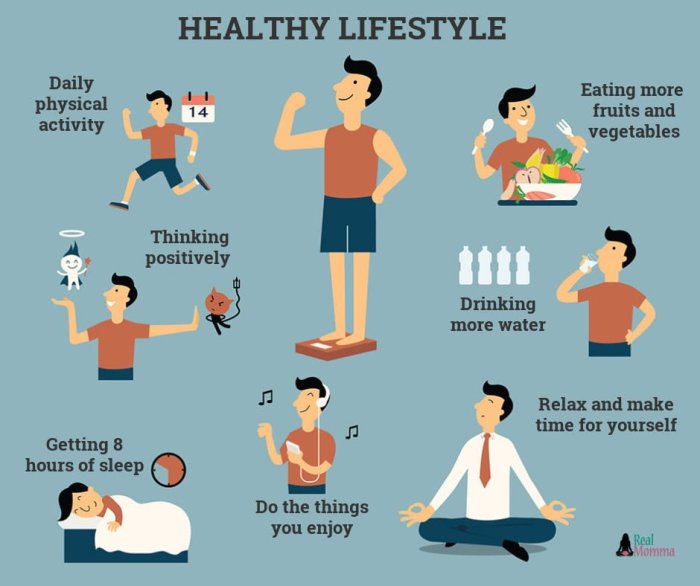
Rest and recovery are as crucial as exercise itself in achieving long-term fitness goals and maintaining overall well-being. It allows your body to repair and rebuild muscle tissue, replenish energy stores, and prevent injuries.
Importance of Adequate Sleep for Muscle Recovery and Overall Health
Sleep plays a vital role in muscle recovery and overall health. During sleep, your body releases hormones that promote muscle growth and repair, such as human growth hormone (HGH). Adequate sleep also helps regulate your immune system, improves cognitive function, and reduces stress levels.
Rest Days Contribute to Long-Term Fitness Gains
Rest days are not days off; they are essential for allowing your body to adapt to the demands of exercise. During rest days, your muscles rebuild and become stronger, and your energy levels replenish. Skipping rest days can lead to overtraining, injuries, and plateaus in fitness progress.
Strategies for Promoting Restful Sleep and Effective Recovery
Here are some strategies for promoting restful sleep and effective recovery:
- Establish a regular sleep schedule, going to bed and waking up around the same time each day, even on weekends.
- Create a relaxing bedtime routine that signals to your body that it’s time to wind down. This could include taking a warm bath, reading a book, or listening to calming music.
- Make sure your bedroom is dark, quiet, and cool. Invest in blackout curtains, a white noise machine, or earplugs if needed.
- Avoid caffeine and alcohol before bed, as they can interfere with sleep quality.
- Get regular exercise, but avoid strenuous activity close to bedtime.
- Limit screen time before bed, as the blue light emitted from electronic devices can suppress melatonin production, a hormone that regulates sleep.
Sample Weekly Workout Schedule That Includes Rest Days
Here’s an example of a weekly workout schedule that incorporates rest days:
| Day | Workout | Notes |
|---|---|---|
| Monday | Strength Training (Upper Body) | Focus on compound exercises like push-ups, pull-ups, and bench press. |
| Tuesday | Cardio (Running, Cycling, Swimming) | Moderate intensity for 30-45 minutes. |
| Wednesday | Rest Day | Engage in light activities like walking or stretching. |
| Thursday | Strength Training (Lower Body) | Focus on compound exercises like squats, lunges, and deadlifts. |
| Friday | Cardio (High Intensity Interval Training) | Alternating periods of high-intensity exercise with rest or low-intensity activity. |
| Saturday | Active Recovery (Yoga, Pilates, Swimming) | Focus on flexibility, mobility, and light cardio. |
| Sunday | Rest Day | Complete rest for optimal recovery. |
The Role of Mental Health in Fitness
The connection between mental health and physical activity is undeniable. Engaging in regular exercise can significantly improve your mental well-being, reducing stress, boosting mood, and enhancing cognitive function. This section explores the powerful link between physical fitness and mental health, offering practical tips to cultivate a positive mental state while pursuing your fitness goals.
Exercise and Stress Reduction
Exercise acts as a natural stress reliever, releasing endorphins that have mood-boosting effects. When you engage in physical activity, your body diverts energy from the stress response system, promoting relaxation and reducing anxiety. Studies have shown that even moderate exercise can significantly reduce cortisol levels, the primary stress hormone.
For example, a 30-minute walk can effectively alleviate stress and improve your overall mood.
Exercise and Mood Enhancement
Beyond stress reduction, exercise plays a crucial role in improving mood and combating depression. Regular physical activity increases the production of serotonin and dopamine, neurotransmitters associated with happiness and well-being. Exercise also helps regulate sleep patterns, which are often disrupted by stress and anxiety, further contributing to improved mood.
Maintaining Mental Well-being While Pursuing Fitness Goals
Balancing your mental health while pursuing fitness goals is essential. Here are some tips to help you stay mentally strong:
- Set realistic goals:Avoid overwhelming yourself with unrealistic expectations. Start with small, achievable goals and gradually increase the intensity and duration of your workouts as you progress.
- Find activities you enjoy:Choose exercises that you genuinely enjoy, as this will make it more likely that you’ll stick with them. If you don’t like running, don’t force yourself to do it. Explore other activities like swimming, dancing, or hiking.
- Focus on progress, not perfection:Celebrate your accomplishments, no matter how small they may seem. Remember that progress is a journey, not a destination.
- Prioritize rest and recovery:Adequate rest and recovery are crucial for both physical and mental well-being. Allow your body time to repair and rebuild after workouts.
- Seek support:Surround yourself with supportive friends, family, or a fitness community. Sharing your fitness journey with others can provide motivation and accountability.
Mindfulness Techniques for Enhanced Exercise Experiences
Mindfulness techniques can significantly enhance your exercise experiences, allowing you to connect with your body and appreciate the present moment.
- Focus on your breath:Pay attention to the rhythm of your breath as you exercise. Notice the sensation of air entering and leaving your lungs.
- Body scan:Become aware of different parts of your body as you move. Notice the sensations of your muscles working and your body moving through space.
- Mindful movement:Slow down your movements and pay attention to the subtle details of each step or gesture. This can help you develop a deeper connection with your body.
Addressing Barriers to Physical Activity
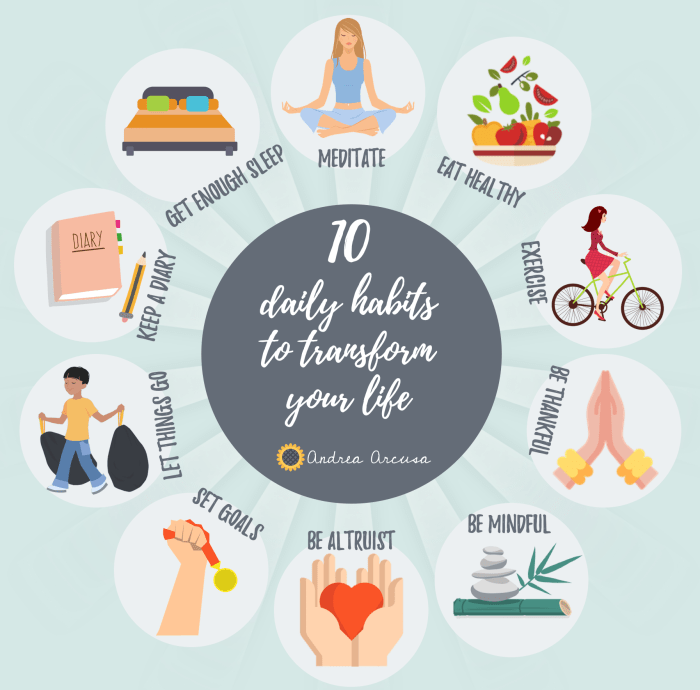
It’s easy to get caught up in the daily grind and let physical activity fall by the wayside. However, overcoming these barriers is crucial for achieving long-term health and well-being.
Identifying Common Barriers
Many factors can hinder regular exercise. Understanding these barriers is the first step towards addressing them.
- Lack of Time:Juggling work, family, and other commitments can leave little room for exercise.
- Lack of Motivation:Finding the drive to exercise can be challenging, especially when faced with competing priorities.
- Lack of Energy:Fatigue and exhaustion can make it difficult to find the energy for physical activity.
- Fear of Injury:Concerns about getting injured can prevent some individuals from starting or continuing exercise.
- Social Factors:Lack of support from friends or family, or feeling self-conscious about exercising in public, can be deterrents.
- Financial Constraints:Gym memberships, equipment, and specialized classes can be expensive.
- Lack of Knowledge:Not knowing how to exercise safely and effectively can be a barrier.
Strategies for Overcoming Barriers
Once you’ve identified the barriers, you can develop strategies to overcome them.
- Time Management:Schedule exercise like any other important appointment. Even short bursts of activity can be beneficial.
- Motivation Boost:Set realistic goals, find activities you enjoy, and reward yourself for progress. Consider joining a fitness group or finding an exercise buddy for support.
- Boosting Energy Levels:Prioritize sleep, eat a balanced diet, and stay hydrated. Consider starting with gentle activities and gradually increase intensity.
- Injury Prevention:Start slowly, listen to your body, and use proper form. Consult a healthcare professional if you have any concerns.
- Social Support:Find a workout buddy, join a fitness class, or explore online communities for encouragement and accountability.
- Budget-Friendly Options:Look for free or low-cost options like walking, running, bodyweight exercises, or outdoor activities.
- Education and Guidance:Consult a personal trainer, fitness professional, or healthcare provider for personalized advice and exercise plans.
Staying Motivated and Consistent
Consistency is key to reaping the benefits of exercise.
- Set Realistic Goals:Avoid setting overly ambitious goals that can lead to discouragement. Start with small, achievable steps and gradually increase intensity and duration.
- Find Activities You Enjoy:Choose activities that you find fun and engaging. If you don’t enjoy it, you’re less likely to stick with it.
- Track Your Progress:Keep a journal, use fitness trackers, or take progress photos to monitor your achievements. This can provide motivation and a sense of accomplishment.
- Reward Yourself:Celebrate your successes with non-food rewards like a new workout outfit, a massage, or a day at the spa.
- Be Patient and Persistent:Building healthy habits takes time. Don’t get discouraged by setbacks. Focus on progress, not perfection.
- Find a Support System:Connect with friends, family, or online communities who share your fitness goals. Having a support system can provide encouragement and accountability.
Resources for Fitness Support
There are many resources available to help you on your fitness journey.
- Fitness Apps:Apps like Nike Training Club, Peloton, and Fitbit offer guided workouts, tracking, and community features.
- Online Fitness Communities:Websites and social media groups provide support, motivation, and access to fitness information and advice.
- Local Fitness Centers:Many gyms and studios offer group fitness classes, personal training, and other resources.
- Healthcare Professionals:Doctors, physical therapists, and registered dietitians can provide personalized guidance and support for your fitness goals.
Closing Summary: Daily Physical Fitness Habits For Long-term Health
By embracing daily physical fitness habits, you are not merely exercising; you are investing in a healthier, happier, and more fulfilling life. Remember, consistency is key. Start with small, achievable goals, gradually increasing the intensity and duration of your workouts as you progress.
Find activities you enjoy, seek support from others, and celebrate your achievements along the way. With dedication and perseverance, you can unlock the transformative power of daily physical fitness and reap its lifelong benefits.
Question Bank
How much exercise do I need each day?
The recommended amount of physical activity varies depending on age and fitness level. Consult with a healthcare professional for personalized recommendations.
What if I don’t have time for exercise?
Even short bursts of activity throughout the day can contribute to overall fitness. Try taking the stairs instead of the elevator, walking during your lunch break, or doing a quick workout at home.
What are some good exercises for beginners?
Start with low-impact activities like walking, swimming, or yoga. As you gain strength and endurance, you can gradually incorporate more challenging exercises.
How can I stay motivated to exercise?
Find an exercise buddy, set realistic goals, track your progress, and reward yourself for achieving milestones. Remember, consistency is key!


More Stories
How Physical Fitness Improves Overall Body Strength