Mental Wellness
Maintaining good mental wellness is crucial for a strong immune system. The mind and body are deeply connected, and a healthy state of mind can positively impact your body’s ability to fight off illnesses. Stress, anxiety, and negative emotions can weaken the immune system, making you more susceptible to infections and diseases.
Daily Habits for Mental Well-Being
- Practice mindfulness and meditation to reduce stress and promote relaxation.
- Engage in regular physical exercise to release endorphins and improve mood.
- Get an adequate amount of sleep to allow your body and mind to rest and recharge.
- Cultivate positive relationships and social connections for emotional support.
- Limit exposure to negative news or information that can increase anxiety and stress levels.
Impact of Stress on Immune Function
Stress triggers the release of cortisol, a hormone that can suppress the immune system’s response. Chronic stress can lead to inflammation in the body, making it harder to fight off infections. To manage stress effectively, it is important to identify stressors, practice relaxation techniques, and seek support from loved ones or a mental health professional when needed.
Physical Fitness
Regular physical activity plays a crucial role in enhancing the immune system’s function. Exercise helps to improve circulation, reduce inflammation, and promote the production of antibodies and white blood cells that are essential for fighting off infections.
Types of Exercises for Boosting Immunity
- Aerobic Exercises: Activities like brisk walking, running, cycling, or swimming help to increase heart rate and improve cardiovascular health, which in turn strengthens the immune system.
- Strength Training: Resistance exercises using weights or bodyweight help build muscle mass, improve metabolism, and enhance overall immunity.
- Yoga and Pilates: These practices focus on flexibility, balance, and relaxation, which can reduce stress levels and boost immune function.
Recommended Frequency and Duration
Daily habits to enhance your immune system – For optimal immune function, experts recommend engaging in moderate-intensity physical activity for at least 150 minutes per week. This translates to about 30 minutes of exercise on most days of the week. It’s important to listen to your body and gradually increase the duration and intensity of your workouts to avoid injuries and maintain long-term immune health.
Healthy Eating
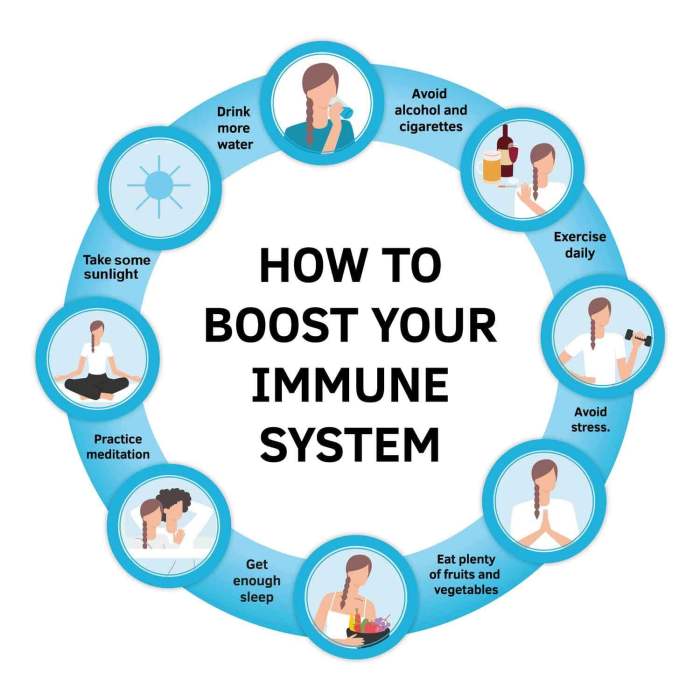
Eating a healthy and balanced diet plays a crucial role in supporting a strong immune system. Proper nutrition provides the essential vitamins, minerals, and antioxidants needed to help the body fight off infections and illnesses.
Immune-Boosting Foods and Their Benefits
- Fruits and Vegetables: Rich in vitamins A, C, and E, as well as antioxidants that help protect cells from damage.
- Lean Protein Sources: Such as poultry, fish, and legumes, which provide the building blocks for immune cells.
- Whole Grains: High in fiber and nutrients that support a healthy gut, where a large portion of the immune system resides.
- Healthy Fats: Found in sources like avocados, nuts, and seeds, which help reduce inflammation and support immune function.
- Probiotic-Rich Foods: Like yogurt, kefir, and fermented vegetables, which promote a healthy balance of gut bacteria.
Importance of Maintaining a Balanced Diet for Overall Immunity
A balanced diet ensures that the body receives all the necessary nutrients to support a strong immune system. By incorporating a variety of foods from different food groups, individuals can enhance their overall immunity and reduce the risk of infections and diseases. Consistency in healthy eating habits is key to maintaining optimal immune function.
Preventive Care
Preventive care plays a crucial role in strengthening the immune system and overall well-being. In addition to focusing on mental wellness, physical fitness, and healthy eating habits, it is essential to incorporate preventive measures beyond diet and exercise to boost immunity.
Maintaining Good Hygiene Practices
- Wash hands frequently with soap and water for at least 20 seconds, especially before meals and after using the restroom.
- Use hand sanitizer with at least 60% alcohol when soap and water are not available.
- Cover your mouth and nose with a tissue or your elbow when sneezing or coughing to prevent the spread of germs.
- Regularly clean and disinfect frequently touched surfaces such as doorknobs, light switches, and electronics.
Importance of Regular Health Check-ups and Vaccinations
Regular health check-ups are essential for early detection of any health issues and to monitor overall well-being. Vaccinations play a crucial role in preventing various diseases and boosting immunity. It is important to stay up to date with recommended vaccines for both children and adults to protect against infections and strengthen the immune system.
Balanced Diet
A balanced diet is a key factor in maintaining a healthy immune system. It involves consuming a variety of foods that provide essential nutrients in the right proportions to support overall well-being, including immune health.
Essential Nutrients for Immune System
For a robust immune system, your body needs a variety of nutrients to function optimally. Some essential nutrients that play a crucial role in supporting immune health include:
- Vitamin C: Known for its immune-boosting properties and antioxidant effects, commonly found in citrus fruits, strawberries, and bell peppers.
- Vitamin D: Helps regulate immune responses and reduce inflammation, mainly obtained from sunlight exposure and fortified foods like fatty fish and fortified dairy products.
- Zinc: Supports immune cell function and wound healing, present in foods like meat, shellfish, nuts, and seeds.
- Probiotics: Beneficial bacteria that promote a healthy gut microbiome, found in fermented foods like yogurt, kefir, and sauerkraut.
- Omega-3 fatty acids: Reduce inflammation and support immune function, abundant in fatty fish, flaxseeds, and walnuts.
Meal Planning Strategies
Ensuring a well-rounded diet for immune support can be achieved through strategic meal planning. Here are some strategies to help you incorporate essential nutrients into your daily meals:
- Include a variety of colorful fruits and vegetables in your meals to get a wide range of vitamins and minerals.
- Opt for lean proteins like poultry, fish, tofu, or legumes to support muscle health and immune function.
- Incorporate whole grains like quinoa, brown rice, or whole-grain bread to provide fiber and essential nutrients.
- Choose healthy fats from sources like avocado, olive oil, nuts, and seeds to support cell structure and immune response.
- Stay hydrated by drinking plenty of water throughout the day to help transport nutrients and support overall health.
Regular Exercise
Regular exercise plays a crucial role in enhancing the immune system. It not only helps in maintaining a healthy weight and improving overall physical fitness but also boosts the body’s defense mechanisms against illnesses.
Benefits of Consistent Exercise for Immune Function, Daily habits to enhance your immune system
Regular physical activity has been linked to various benefits for immune function. It helps in increasing the circulation of white blood cells, which are essential in fighting off infections. Exercise also promotes better lymphatic circulation, aiding in the removal of toxins from the body. Moreover, consistent exercise can reduce inflammation and strengthen the body’s ability to combat harmful pathogens.
Correlation Between Physical Activity and Reduced Susceptibility to Illnesses
Studies have shown that individuals who engage in regular exercise are less likely to fall ill compared to those who lead sedentary lifestyles. Physical activity helps in improving the body’s response to vaccines, making them more effective. Additionally, exercise can enhance the production of antibodies, which play a crucial role in immune defense.
Tips on Incorporating Regular Exercise for Immune Enhancement
– Start with small, manageable goals and gradually increase the intensity and duration of your workouts.
– Find activities that you enjoy, whether it’s walking, jogging, cycling, or dancing, to make exercise a fun part of your daily routine.
– Schedule your workouts at a consistent time each day to establish a routine and make it a habit.
– Mix up your exercise routine to keep things interesting and challenge different muscle groups.
– Listen to your body and rest when needed to prevent overtraining and potential immune suppression.
Mental Health
Maintaining good mental health is crucial for a strong immune system. Our mental state can directly impact our immune response, as stress and negative emotions can weaken the immune system, making us more susceptible to illnesses. On the other hand, positive mental health can boost our immunity and overall well-being.
Activities for Positive Mental Health
- Engage in regular physical exercise to release endorphins, which are known to improve mood and reduce stress.
- Practice mindfulness and meditation to reduce anxiety and promote relaxation, which can have a positive impact on the immune system.
- Connect with loved ones for social support and a sense of belonging, which can enhance mental well-being and immune function.
- Prioritize self-care activities like hobbies, relaxation techniques, and adequate sleep to reduce stress levels and improve overall mental health.
Relationship Between Mindfulness Practices and Immune System
Mindfulness practices, such as meditation and deep breathing exercises, have been shown to reduce inflammation in the body, which can strengthen the immune system’s response to pathogens. By promoting relaxation and stress reduction, mindfulness can enhance immune system resilience and overall health.
Holistic Wellness
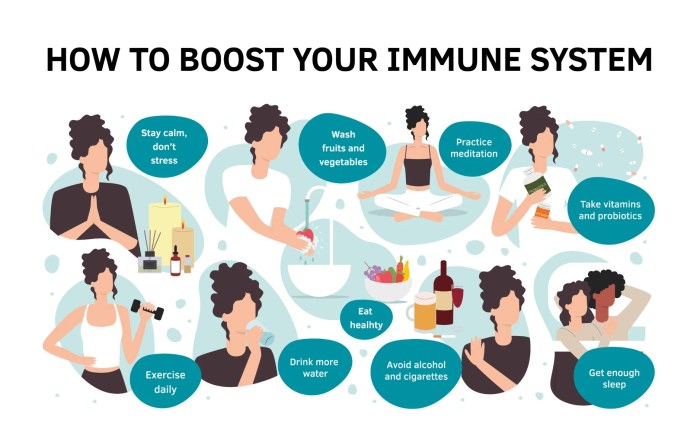
Holistic wellness is a concept that focuses on the interconnectedness of the mind, body, and spirit to achieve overall health and well-being. It emphasizes the importance of treating the whole person rather than just individual symptoms or conditions. When it comes to immunity, holistic wellness plays a crucial role in strengthening the immune system by addressing various aspects of a person’s life that can impact health.
Acupuncture and Meditation for Immune Support
Acupuncture is a traditional Chinese medicine practice that involves inserting thin needles into specific points on the body to stimulate energy flow and promote healing. This technique is believed to help regulate the immune system and reduce inflammation, ultimately supporting overall immunity. On the other hand, meditation is a mindfulness practice that can help reduce stress levels, which can have a positive impact on immune function. By incorporating these holistic approaches into your routine, you can support your immune system naturally.
Holistic Lifestyle for Well-Being and Immunity
A holistic lifestyle involves making choices that promote balance and harmony in all areas of life, including physical, mental, emotional, and spiritual well-being. By focusing on practices such as healthy eating, regular exercise, stress management, and adequate sleep, you can create a foundation for strong immunity. Additionally, incorporating activities like yoga, tai chi, or spending time in nature can further enhance your overall well-being and immune function.
Chronic Diseases
Chronic diseases can significantly weaken the immune system, making individuals more vulnerable to infections and illnesses. Conditions such as diabetes, heart disease, and autoimmune disorders can all impact the body’s ability to fight off pathogens effectively.
Strategies for Managing Chronic Conditions
- Adhering to prescribed medications and treatment plans to keep the disease under control.
- Maintaining a healthy lifestyle with regular exercise and balanced nutrition to support overall well-being.
- Monitoring symptoms closely and seeking medical attention promptly for any changes or complications.
- Engaging in stress-reducing activities like meditation or yoga to help manage the impact of chronic conditions on the immune system.
Importance of Disease Management in Maintaining Immunity
Effective management of chronic diseases is crucial for maintaining a strong immune system. By keeping these conditions in check, individuals can reduce inflammation in the body and ensure that the immune system functions optimally. This, in turn, helps in preventing secondary infections and complications that can arise due to a weakened immune response.
Immunity Boosters: Daily Habits To Enhance Your Immune System
Maintaining a strong immune system is crucial for overall health and well-being. Incorporating natural immunity boosters into your daily routine can help enhance your body’s defenses against illnesses. Here are some key points to consider:
Natural Immunity Boosters
- Vitamin C: Found in citrus fruits, bell peppers, and leafy greens, vitamin C is known for its immune-boosting properties. It helps stimulate the production of white blood cells, which are essential for fighting off infections.
- Zinc: This mineral plays a vital role in immune function and helps regulate the body’s inflammatory response. Foods rich in zinc include meat, shellfish, legumes, seeds, and nuts.
- Probiotics: These beneficial bacteria support gut health, which is closely linked to immune function. Incorporating probiotic-rich foods like yogurt, kefir, sauerkraut, and kimchi can help maintain a healthy balance of gut flora.
Effectiveness of Supplements
While natural sources of vitamins and minerals are preferred, supplements can be beneficial in certain cases where dietary intake may be insufficient. However, it’s essential to consult with a healthcare professional before starting any new supplement regimen.
Tips for Incorporating Immunity-Boosting Foods and Supplements
- Start your day with a vitamin C-rich breakfast: Include fruits like oranges, strawberries, or kiwi in your morning meal.
- Add zinc to your diet: Snack on nuts and seeds or include lean meats like chicken or turkey in your meals.
- Include probiotic foods: Enjoy a serving of yogurt with live cultures or try fermented foods as part of your daily diet.
- Stay hydrated: Drink plenty of water throughout the day to support overall immune function.
FAQ Compilation
How does mental wellness impact the immune system?
Mental wellness plays a crucial role in supporting immune function as stress and negative emotions can weaken the immune response.
What are some immune-boosting foods?
Examples of immune-boosting foods include citrus fruits, leafy greens, yogurt, almonds, and turmeric.
How often should one exercise for optimal immune function?
It is recommended to engage in at least 150 minutes of moderate-intensity exercise per week for boosting immunity.
Can mindfulness practices improve immune system resilience?
Yes, activities like meditation and yoga can enhance mental health, leading to a stronger immune system.
Do supplements effectively boost immune function?
While supplements can help fill nutrient gaps, it’s best to focus on a balanced diet rich in immune-boosting foods for optimal results.




More Stories
Role of genetics in chronic diseases: Understanding the Genetic Impact on Health
How to use turmeric for immune support: Enhancing Health with Natures Golden Spice
Best exercises for chronic disease patients: Improve health with tailored workouts