Mental Health Apps for Daily Support
Using mental health apps for daily support can offer numerous benefits such as providing easy access to tools and resources for managing stress, anxiety, and other mental health concerns. These apps can also help in tracking mood patterns, setting reminders for self-care activities, and offering coping strategies in real-time.
Types of Mental Health Apps
- Guided Meditation Apps: These apps offer meditation sessions to help reduce stress and promote relaxation.
- Mood Tracking Apps: These apps allow users to track their moods, identify triggers, and monitor emotional patterns over time.
- Therapy Apps: Some apps provide access to licensed therapists for online counseling sessions and support.
- Self-Help Apps: These apps offer tools and techniques for self-improvement, including cognitive-behavioral therapy exercises and journaling prompts.
Personal Experiences with Mental Health Apps
Using mental health apps has personally helped me stay consistent with self-care routines, manage stress more effectively, and feel supported during challenging times. The convenience of having resources at my fingertips has made a significant impact on my mental well-being.
Complementing Traditional Therapy with Mental Health Apps
Mental health apps can complement traditional therapy or counseling sessions by providing continuous support between appointments. These apps can reinforce strategies learned in therapy, offer additional tools for coping, and help individuals stay engaged in their mental health journey on a daily basis.
Mental Wellness
Mental health apps for daily support – When it comes to mental wellness, the relationship between mental health apps and overall well-being is crucial. These apps provide a convenient and accessible way for individuals to take care of their mental health on a daily basis.
Features in Mental Health Apps
- Guided Meditation: Many apps offer guided meditation sessions to help reduce stress, anxiety, and promote relaxation.
- Mood Tracking: Users can track their moods and identify patterns to better understand their emotional well-being.
- Breathing Exercises: Incorporating breathing exercises can help in managing stress and improving overall mental clarity.
- Journaling: Writing down thoughts and feelings can be therapeutic and aid in processing emotions.
Incorporating Mental Wellness Practices
It is essential to integrate mental wellness practices into daily routines to maintain a healthy mind. Just like physical exercise, mental wellness activities can improve cognitive function and emotional resilience.
Contribution to a Balanced Life
-
Mental wellness contributes to a balanced and fulfilling life by enhancing self-awareness and promoting positive coping strategies.
- By prioritizing mental wellness, individuals can better manage stress, improve relationships, and increase overall happiness.
- Regular mental wellness practices can lead to increased productivity, creativity, and a greater sense of well-being.
Physical Fitness
Regular physical activity is a key component of maintaining good mental health. Mental health apps can play a vital role in encouraging individuals to engage in physical fitness activities, ultimately improving their overall well-being.
Connection between Physical Exercise and Mental Well-being
- Physical exercise releases endorphins, which are chemicals that act as natural painkillers and mood elevators, helping reduce feelings of anxiety and depression.
- Regular exercise can improve sleep quality, boost self-esteem, and increase cognitive function, all of which contribute to better mental health.
- Engaging in physical activities can provide a sense of accomplishment and control, enhancing overall mental well-being.
Using Mental Health Apps to Track and Improve Physical Fitness Levels
- Many mental health apps offer features to set fitness goals, track workouts, and monitor progress over time, helping users stay motivated and accountable.
- Integration with wearable fitness devices allows for seamless tracking of physical activity levels and provides personalized recommendations for improvement.
- Utilizing reminders and notifications within mental health apps can help users establish a consistent exercise routine and achieve their fitness targets.
Role of Physical Fitness in Maintaining Good Mental Health
- Regular physical activity can reduce symptoms of stress, anxiety, and depression, promoting overall mental well-being.
- Exercise helps in managing mood swings, enhancing focus, and increasing energy levels, leading to a more positive outlook on life.
- Incorporating physical fitness into daily routines can improve resilience to mental health challenges and boost overall emotional resilience.
Healthy Eating
Mental health apps play a crucial role in promoting healthy eating habits by providing users with tools and resources to make informed decisions about their nutrition. These apps offer a convenient way to track food intake, set goals, access recipes, and receive personalized recommendations for healthier eating.
Features in Mental Health Apps
- Food Diary: Users can log their meals and snacks to keep track of their daily food intake. This feature helps individuals become more mindful of their eating habits and identify areas for improvement.
- Nutrition Information: Apps often provide nutritional information for various foods, allowing users to make better choices based on their dietary needs and preferences.
- Meal Planning: Users can access meal plans and recipes tailored to their goals, whether it’s weight management, improving energy levels, or reducing stress.
- Reminders and Notifications: Apps can send reminders to drink water, eat regular meals, or consume specific nutrients to ensure users are meeting their nutritional needs throughout the day.
Impact of Nutrition on Mental Well-being
Good nutrition is essential for mental well-being as it directly affects brain function and mood regulation. A balanced diet rich in nutrients such as omega-3 fatty acids, antioxidants, vitamins, and minerals can help reduce symptoms of anxiety, depression, and stress. By using mental health apps to support healthy eating habits, individuals can enhance their overall well-being and mental resilience.
Preventive Care
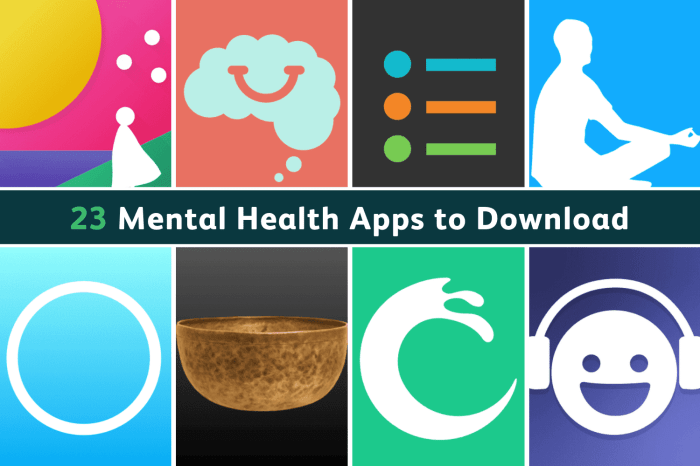
Preventive care plays a crucial role in maintaining good mental health and overall well-being. Mental health apps can be valuable tools in aiding preventive care efforts by offering proactive strategies and early intervention options.
Strategies for Proactive Mental Health Management
- Setting reminders for self-care activities such as meditation, exercise, or journaling to establish healthy routines.
- Tracking mood fluctuations and identifying triggers to address potential issues before they escalate.
- Participating in guided mindfulness or relaxation exercises to reduce stress and promote emotional balance.
Importance of Early Intervention
Early intervention through mental health apps is crucial in addressing mental health issues before they worsen. By recognizing warning signs early on, individuals can seek help and implement coping strategies to prevent further decline in mental well-being.
Contributions to Overall Mental Wellness
- Enhancing self-awareness and emotional regulation skills through regular monitoring and feedback provided by mental health apps.
- Promoting a sense of empowerment and agency in managing one’s mental health proactively.
- Reducing the stigma associated with mental health by encouraging open conversations and seeking support when needed.
Balanced Diet
Maintaining a balanced and nutritious diet is crucial for overall well-being, including mental health. Mental health apps play a significant role in promoting healthy eating habits and ensuring a balanced diet for individuals seeking to improve their mental wellness.
Tips for Using Apps to Maintain a Balanced Diet
- Set specific goals: Use apps to set personalized goals related to nutrition, such as increasing vegetable intake or reducing sugar consumption.
- Track food intake: Utilize food tracking features in apps to monitor daily meals and snacks, ensuring you are meeting nutritional needs.
- Access healthy recipes: Explore apps that provide a variety of healthy recipes to inspire and guide meal planning for a balanced diet.
- Receive reminders: Enable app notifications for meal times, hydration reminders, or snack suggestions to stay on track with healthy eating habits.
Link between Diet, Mental Health, and Well-Being
Research has shown a strong connection between diet, mental health, and overall well-being. Consuming a diet rich in fruits, vegetables, whole grains, and lean proteins can positively impact mood, cognitive function, and emotional well-being. On the other hand, diets high in processed foods, sugar, and unhealthy fats have been linked to increased risk of mental health disorders.
Remember, what you eat directly affects your brain and its function. Choosing nutrient-dense foods can support mental health and improve overall quality of life.
Success Stories of Dietary Changes with App Support
- John, a busy professional, used a meal planning app to incorporate more vegetables and whole foods into his diet. Within a few weeks, he noticed improved energy levels and reduced feelings of anxiety.
- Sarah struggled with emotional eating and found support through a mindfulness app that helped her develop a healthier relationship with food. As a result, she experienced reduced stress and improved mental clarity.
Regular Exercise
Regular exercise plays a crucial role in maintaining both physical and mental well-being. Mental health apps can serve as valuable tools to motivate users to engage in regular exercise by providing structured exercise plans, tracking progress, and offering reminders to stay active.
Exercise Plans and Routines
- Mental health apps often offer a variety of exercise plans and routines tailored to different fitness levels and goals. These may include cardio workouts, strength training, yoga sessions, or even guided meditation exercises.
- Users can follow pre-set workout schedules or customize their own routines based on their preferences and time availability.
- Some apps also incorporate gamification elements such as challenges, rewards, or virtual coaching to make exercising more engaging and fun.
Mental Health Benefits of Regular Exercise
Regular physical activity has been linked to numerous mental health benefits, including:
- Reduced symptoms of anxiety, depression, and stress.
- Improved mood and overall sense of well-being.
- Enhanced cognitive function and better focus.
- Increased self-esteem and confidence.
Role of Physical Activity in Improving Mood and Reducing Stress Levels
Engaging in regular exercise releases endorphins, also known as “feel-good” hormones, which can help alleviate feelings of stress and anxiety. Physical activity can also act as a healthy coping mechanism, allowing individuals to channel their energy and emotions in a positive way. Moreover, exercise promotes better sleep quality, which is essential for mental health and overall functioning.
Holistic Wellness
Mental health apps play a crucial role in promoting holistic wellness by addressing the interconnectedness of mental, physical, and emotional well-being. These apps provide a comprehensive approach to health that considers the whole person, rather than focusing on individual aspects in isolation.
Integration of Mental, Physical, and Emotional Well-being, Mental health apps for daily support
When it comes to holistic wellness, it’s essential to recognize the importance of integrating mental, physical, and emotional well-being. Mental health apps help users develop a balanced approach to self-care by offering tools and resources that cater to various aspects of wellness.
- Monitoring mental health: Apps allow users to track their mood, emotions, and stress levels, providing insights into their mental well-being.
- Physical fitness and healthy eating: Many apps offer exercise routines, meal plans, and nutritional guidance to support physical health.
- Emotional support: Some apps include features like meditation exercises, breathing techniques, and stress management tools to promote emotional well-being.
Strategies for Achieving Holistic Wellness
By using mental health apps strategically, individuals can achieve holistic wellness by incorporating the following strategies:
- Setting goals: Establishing specific goals related to mental health, physical fitness, and emotional well-being can help users stay motivated and focused.
- Creating a routine: Developing a consistent daily routine that incorporates self-care activities recommended by the app can contribute to overall wellness.
- Seeking professional guidance: Some apps connect users with mental health professionals, nutritionists, or fitness coaches for personalized support and guidance.
Interconnectedness of Wellness and App Support
The beauty of mental health apps lies in their ability to support a holistic approach to wellness by recognizing the interconnectedness of different aspects of well-being. These apps offer a range of features and resources that cater to mental, physical, and emotional health, promoting a well-rounded approach to self-care.
Chronic Diseases: Mental Health Apps For Daily Support
Living with a chronic disease can take a toll on a person’s mental health in addition to the physical challenges they face. Mental health apps play a crucial role in supporting individuals with chronic diseases by providing tools and resources to help them manage their mental well-being.
Role of Mental Health Apps
- Track and manage symptoms: Mental health apps can help individuals with chronic diseases track their symptoms and monitor any changes in their condition, leading to better management and early intervention.
- Provide coping strategies: These apps offer coping strategies, mindfulness exercises, and relaxation techniques to help individuals deal with stress, anxiety, and depression that often accompany chronic conditions.
- Connect with support networks: Many mental health apps provide a platform for individuals to connect with others who are going through similar experiences, fostering a sense of community and understanding.
- Set reminders and goals: These apps can assist individuals in setting reminders for medication, appointments, and self-care activities, as well as establishing goals to improve their overall well-being.
Immunity Boosters
Having a strong immune system is crucial for overall health and well-being. Mental health apps play a significant role in boosting immunity by promoting stress reduction and enhancing mental well-being.
Relationship between Mental Well-being and Immune System Function
Research has shown that mental well-being and immune system function are closely interconnected. High levels of stress and negative emotions can weaken the immune system, making individuals more susceptible to illnesses and infections.
- Chronic stress can lead to increased inflammation in the body, which can compromise the immune response.
- Positive emotions and a sense of well-being, on the other hand, can strengthen the immune system and enhance its ability to fight off infections.
Tips for Using Apps to Reduce Stress and Enhance Immune Health
Mental health apps can offer a variety of tools and techniques to help reduce stress and improve mental well-being, ultimately boosting immunity.
- Practice mindfulness meditation daily to calm the mind and reduce stress levels.
- Engage in regular physical exercise through guided workouts or activity tracking features on the app.
- Utilize breathing exercises and relaxation techniques to promote relaxation and reduce tension in the body.
Connection between Mental Health, Immunity, and Overall Wellness
Ensuring good mental health through the use of mental health apps not only benefits emotional well-being but also has a positive impact on immune health and overall wellness.
Remember, a healthy mind contributes to a healthy body.
General Inquiries
Can mental health apps replace traditional therapy?
Mental health apps can complement traditional therapy by providing additional support and resources, but they are not meant to replace professional counseling.
Are mental health apps suitable for all age groups?
While many mental health apps are designed for adults, there are also apps specifically tailored for children, teenagers, and older adults to address different needs.
Do mental health apps require a subscription?
Some mental health apps offer free basic features, but premium subscriptions may be required to access advanced functionalities and personalized content.


More Stories
Role of genetics in chronic diseases: Understanding the Genetic Impact on Health
How to use turmeric for immune support: Enhancing Health with Natures Golden Spice
Daily habits to enhance your immune system with Mental Wellness, Physical Fitness, Healthy Eating, Preventive Care, Balanced Diet, Regular Exercise, Mental Health, Holistic Wellness, Chronic Diseases, and Immunity Boosters