Mental Wellness
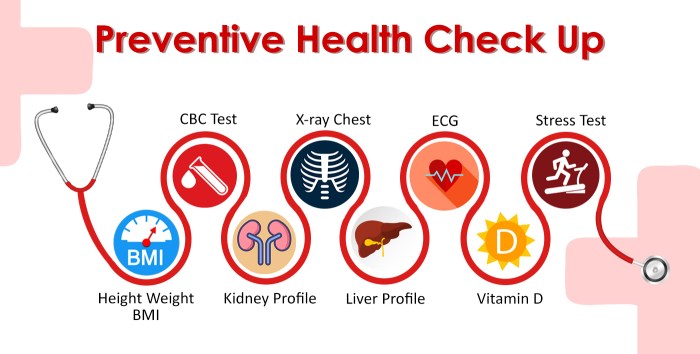
How to use exercise as preventive care – When it comes to preventive care, mental wellness plays a crucial role in maintaining overall health and well-being. Taking care of our mental health can help prevent the onset of various physical and mental health conditions, making it an essential aspect of a holistic approach to health.
Incorporating Mental Wellness Activities into Daily Routine
Integrating mental wellness activities into your daily routine can have a significant impact on your overall well-being. Here are some strategies to help prioritize mental wellness:
- Practice mindfulness or meditation to reduce stress and promote relaxation.
- Engage in regular physical activity, such as yoga or walking, to boost mood and reduce anxiety.
- Connect with loved ones and build a strong support system to enhance emotional resilience.
- Set boundaries and prioritize self-care to prevent burnout and maintain mental clarity.
Correlation between Mental Wellness and Overall Health
Mental wellness is closely linked to overall health, as our mental state can impact various aspects of our physical well-being. Chronic stress, anxiety, and depression can weaken the immune system, increase inflammation in the body, and elevate the risk of developing chronic conditions such as heart disease and diabetes. Prioritizing mental wellness can help reduce these risks and improve overall health outcomes.
Examples of Mental Wellness Exercises or Practices
- Journaling: Writing down thoughts and emotions can help process feelings and promote self-reflection.
- Breathing exercises: Practicing deep breathing techniques can help calm the mind and reduce stress levels.
- Gratitude practice: Cultivating a mindset of gratitude by acknowledging and appreciating the positive aspects of life can improve mental well-being.
- Creative expression: Engaging in creative activities such as painting, dancing, or playing music can be therapeutic and uplifting for the mind.
Physical Fitness
Regular physical activity is essential for preventive care as it helps maintain a healthy body and mind. Physical fitness offers a wide range of benefits, including improved cardiovascular health, better muscle tone, increased flexibility, and enhanced mental well-being.
Types of Exercises for Various Fitness Levels
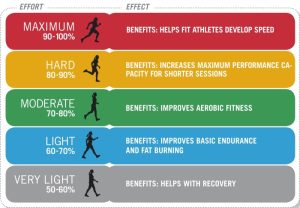
- Low-intensity exercises like walking, yoga, or tai chi are suitable for beginners or those with limited mobility.
- Moderate-intensity exercises such as swimming, cycling, or dancing are ideal for individuals looking to improve their fitness levels gradually.
- High-intensity activities like running, weightlifting, or HIIT workouts are best for those seeking a more challenging workout.
Preventing Chronic Diseases through Regular Physical Activity, How to use exercise as preventive care
Regular physical activity can help prevent chronic diseases such as heart disease, diabetes, obesity, and certain types of cancer. Exercise boosts the immune system, regulates blood sugar levels, and promotes overall wellness, reducing the risk of developing these conditions.
Tips for Staying Motivated
- Set realistic goals and track your progress to stay motivated.
- Find activities you enjoy to make exercise more enjoyable and sustainable.
- Exercise with a friend or join group classes for social support and accountability.
- Mix up your routine to prevent boredom and keep things interesting.
- Reward yourself for reaching milestones to celebrate your achievements along the way.
Healthy Eating
Eating a balanced and nutritious diet plays a crucial role in preventive care as it helps support overall health and well-being. A diet rich in essential nutrients can also contribute to boosting immunity and reducing the risk of various diseases.
Balanced Diet Examples
- Include a variety of fruits and vegetables to ensure a good intake of vitamins and minerals.
- Incorporate whole grains such as brown rice, quinoa, and oats for fiber and sustained energy.
- Choose lean sources of protein like poultry, fish, beans, and nuts to support muscle health.
- Include healthy fats from sources like avocados, olive oil, and nuts for heart health.
- Limit processed foods, sugary beverages, and excessive salt intake to maintain overall health.
Nutrition and Immunity Boosters
Nutrition plays a vital role in boosting the immune system by providing essential vitamins and minerals that support immune function. Some key nutrients that are known to enhance immunity include:
- Vitamin C: Found in citrus fruits, bell peppers, and strawberries, vitamin C helps the body fight infections.
- Vitamin D: Sources include fatty fish, fortified dairy products, and sunlight exposure, which can help regulate immune responses.
- Zinc: Present in foods like lean meats, legumes, nuts, and seeds, zinc is essential for immune cell function.
- Probiotics: Found in fermented foods like yogurt and kefir, probiotics support gut health, which is linked to immunity.
Incorporating Healthy Eating Habits
Making healthy eating a part of your daily life can be easier with some simple strategies, such as:
- Meal prepping and planning ahead to ensure nutritious meals throughout the week.
- Choosing whole foods over processed options for better nutrient intake.
- Listening to your body’s hunger and fullness cues to avoid overeating or undereating.
- Experimenting with different recipes and flavors to keep healthy eating exciting and enjoyable.
Preventive Care
Preventive care refers to actions taken to prevent illness or injury before they occur, focusing on maintaining and promoting overall health. It plays a crucial role in helping individuals stay healthy, detect potential health issues early, and manage chronic conditions effectively.
Relationship between Exercise and Preventive Care
Regular exercise is a key component of preventive care as it helps maintain a healthy weight, strengthens the immune system, improves cardiovascular health, and reduces the risk of chronic diseases such as diabetes, heart disease, and certain types of cancer. Exercise also contributes to mental well-being by reducing stress, anxiety, and depression.
Preventive Care Tips for Overall Well-being
- Practice stress management techniques such as meditation, deep breathing exercises, or yoga to reduce the negative impact of stress on your health.
- Get regular health screenings and check-ups to detect potential health issues early and take preventive measures accordingly.
- Ensure you get an adequate amount of sleep each night to support overall health and well-being.
- Stay hydrated by drinking plenty of water throughout the day to maintain optimal bodily functions.
Examples of Preventive Care Practices
- Include a variety of colorful fruits and vegetables in your daily meals to ensure you get a wide range of essential nutrients.
- Practice good hygiene habits such as regular handwashing to prevent the spread of infections.
- Avoid smoking and limit alcohol consumption to reduce the risk of developing chronic diseases.
- Engage in regular physical activity such as walking, swimming, or cycling to promote overall health and well-being.
Balanced Diet
A balanced diet is essential for maintaining good health and overall well-being. It involves consuming a variety of foods in the right proportions to provide the necessary nutrients for the body to function properly.
Components of a Balanced Diet
A balanced diet consists of:
- Carbohydrates: Found in foods like bread, rice, and pasta, they provide energy for daily activities.
- Proteins: Essential for building and repairing tissues, commonly found in meat, fish, and beans.
- Fruits and Vegetables: Rich in vitamins, minerals, and fiber, they help in maintaining a healthy immune system.
- Dairy: Good source of calcium for strong bones and teeth, found in milk, cheese, and yogurt.
- Fats: Healthy fats from sources like nuts and seeds are important for brain function and hormone production.
Balanced Diet and Exercise
A balanced diet complements exercise for preventive care by providing the necessary nutrients to fuel physical activity and aid in muscle recovery. Without proper nutrition, the body may not perform optimally during exercise, leading to potential injuries or fatigue.
Meal Planning Tips for a Balanced Diet
- Include a variety of colors on your plate to ensure a mix of nutrients.
- Aim for whole grains over refined grains for added fiber and nutrients.
- Limit processed foods high in added sugars and unhealthy fats.
- Stay hydrated by drinking plenty of water throughout the day.
- Plan your meals ahead of time to avoid making unhealthy choices when hungry.
Regular Exercise

Regular exercise plays a crucial role in preventing various diseases and maintaining overall health and well-being. It offers a wide range of benefits, including improved cardiovascular health, stronger muscles and bones, better mental health, and a reduced risk of chronic conditions such as diabetes, obesity, and certain types of cancer.
Benefits of Regular Exercise
- Improves cardiovascular health by strengthening the heart and improving circulation.
- Helps maintain a healthy weight and reduce the risk of obesity.
- Strengthens muscles and bones, reducing the risk of osteoporosis.
- Boosts mental health by reducing stress, anxiety, and depression.
- Enhances overall quality of life and longevity.
Guidelines for Frequency and Intensity
- Children and adolescents: At least 60 minutes of moderate to vigorous physical activity daily.
- Adults: 150 minutes of moderate-intensity exercise or 75 minutes of vigorous-intensity exercise per week.
- Older adults: Focus on balance, flexibility, and strength training exercises in addition to aerobic activity.
Consistency in Exercise Routine
Consistency is key in maintaining a regular exercise routine. By sticking to a schedule and making exercise a priority, individuals can reap the long-term benefits of physical activity. It is important to find activities that are enjoyable and sustainable to ensure adherence to the routine.
Home Exercises for Convenience
- Bodyweight exercises like squats, lunges, push-ups, and planks can be done without any equipment.
- Yoga and Pilates routines are excellent for improving flexibility, strength, and relaxation at home.
- Using resistance bands or dumbbells for strength training exercises can be effective in a home setting.
Mental Health
When it comes to preventive care, mental health plays a crucial role in maintaining overall well-being. The connection between mental health and preventive care is significant as it impacts not only our psychological state but also our physical health.
Impact on Overall Well-being
Mental health has a direct impact on our overall well-being. It affects how we think, feel, and act, influencing our ability to cope with stress, make healthy choices, and maintain relationships. Poor mental health can lead to various physical health issues, making it essential to address mental well-being as part of preventive care.
Strategies for Improvement
- Engage in regular physical exercise: Physical activity has been shown to improve mood and reduce symptoms of anxiety and depression.
- Practice mindfulness and meditation: These techniques can help reduce stress and promote mental clarity.
- Connect with others: Building strong social connections can provide support during challenging times and improve overall mental health.
- Seek professional help when needed: If struggling with mental health issues, it’s important to reach out to a therapist or counselor for support.
Mental Health Exercises
One effective mental health exercise is journaling. Writing down your thoughts and feelings can help process emotions and improve self-awareness.
Another practice is deep breathing exercises, which can help calm the mind and reduce stress levels. Engaging in creative activities like painting, drawing, or playing music can also promote mental well-being and serve as a form of self-expression.
Holistic Wellness
Holistic wellness is an approach to preventive care that considers the whole person, focusing on physical, mental, and emotional well-being to achieve overall health and balance.
Achieving Holistic Wellness
When it comes to achieving holistic wellness, incorporating exercise, proper nutrition, and self-care practices is essential. Here are some tips to help you maintain a holistic approach to your well-being:
- Engage in regular physical activity such as yoga, walking, or swimming to improve physical health and mental clarity.
- Follow a balanced diet rich in fruits, vegetables, whole grains, and lean proteins to fuel your body and mind.
- Practice mindfulness and stress-reducing techniques like meditation or deep breathing exercises to enhance emotional well-being.
- Get an adequate amount of sleep each night to support overall health and cognitive function.
- Stay connected with loved ones and cultivate positive relationships to boost mental and emotional health.
Examples of Holistic Wellness Practices
Integrating holistic wellness practices into your daily routine can have a profound impact on your overall well-being. Here are some examples of holistic wellness practices that you can incorporate into your life:
- Start your day with a morning stretch routine to awaken your body and mind.
- Take time to prepare and enjoy nutritious meals that nourish your body from the inside out.
- Set aside dedicated time for relaxation and self-care activities like reading a book, taking a bath, or practicing a hobby.
- Schedule regular check-ins with yourself to assess your physical, mental, and emotional state and make any necessary adjustments to your wellness routine.
Chronic Diseases
Regular exercise plays a crucial role in preventing chronic diseases by improving overall health and reducing risk factors associated with these conditions. Physical activity helps in maintaining a healthy weight, managing blood pressure, and enhancing immune function, all of which are essential in preventing chronic illnesses.
Role of Exercise in Preventing Chronic Diseases
Regular physical activity can significantly reduce the risk of developing common chronic diseases such as heart disease, type 2 diabetes, and certain types of cancer. Exercise helps in maintaining healthy blood sugar levels, cholesterol levels, and blood pressure, which are key factors in preventing these conditions.
- Engaging in cardiovascular exercises like running, cycling, or swimming can help reduce the risk of heart disease by strengthening the heart muscle and improving circulation.
- Strength training exercises like weightlifting or bodyweight exercises can enhance muscle mass and metabolism, lowering the risk of developing type 2 diabetes.
- Regular physical activity has been linked to a lower risk of certain types of cancer, such as breast and colon cancer. Exercises that promote overall fitness and weight management can contribute to reducing cancer risk.
Lifestyle Changes to Reduce Risk of Chronic Diseases
In addition to regular exercise, adopting a healthy lifestyle can further reduce the risk of chronic diseases. Incorporating a balanced diet rich in fruits, vegetables, whole grains, and lean proteins, maintaining a healthy weight, avoiding smoking, and limiting alcohol consumption are all important lifestyle changes that can help prevent chronic illnesses.
- Quitting smoking and avoiding exposure to secondhand smoke can significantly reduce the risk of heart disease, stroke, and lung cancer.
- Limiting alcohol intake to moderate levels can help prevent liver disease, certain cancers, and other health conditions associated with excessive drinking.
- Managing stress through relaxation techniques like yoga, meditation, or mindfulness can also contribute to overall well-being and reduce the risk of developing chronic diseases.
Examples of Exercises for Preventing Chronic Conditions
Specific exercises can be targeted at preventing and managing certain chronic conditions. For instance:
- Hypertension: Regular aerobic exercise like brisk walking, jogging, or cycling can help lower blood pressure and reduce the risk of hypertension.
- Osteoporosis: Weight-bearing exercises such as walking, dancing, or weightlifting can strengthen bones and reduce the risk of osteoporosis.
- Arthritis: Low-impact exercises like swimming, water aerobics, or tai chi can help improve joint flexibility and reduce pain associated with arthritis.
Immunity Boosters
Regular exercise plays a crucial role in boosting immunity and maintaining overall health. By engaging in physical activity, individuals can strengthen their immune system and reduce the risk of falling ill. Let’s explore how exercise contributes to enhancing immunity and how it ties into a healthy lifestyle.
Benefits of Exercise for Immunity
Regular physical activity has been shown to have numerous benefits for the immune system. Exercise helps to increase the circulation of white blood cells, which are essential for fighting off infections and diseases. Additionally, working out can reduce inflammation in the body, leading to a more robust immune response. By incorporating exercise into your routine, you can improve your body’s ability to defend against pathogens.
- Cardiovascular exercises, such as running, swimming, or cycling, can boost circulation and enhance the function of immune cells.
- Strength training exercises, like weightlifting or bodyweight exercises, can help to increase muscle mass and improve overall health, indirectly benefiting the immune system.
- Yoga and meditation can reduce stress levels, which in turn can have a positive impact on immunity.
Frequently Asked Questions: How To Use Exercise As Preventive Care
Can exercise really help prevent chronic diseases?
Absolutely! Regular physical activity has been shown to reduce the risk of various chronic conditions such as heart disease, diabetes, and obesity.
How often should I exercise to use it as preventive care?
It is recommended to engage in at least 150 minutes of moderate-intensity exercise per week to reap the preventive benefits.


More Stories
Role of genetics in chronic diseases: Understanding the Genetic Impact on Health
How to use turmeric for immune support: Enhancing Health with Natures Golden Spice
Daily habits to enhance your immune system with Mental Wellness, Physical Fitness, Healthy Eating, Preventive Care, Balanced Diet, Regular Exercise, Mental Health, Holistic Wellness, Chronic Diseases, and Immunity Boosters