Mental Wellness Action Plan
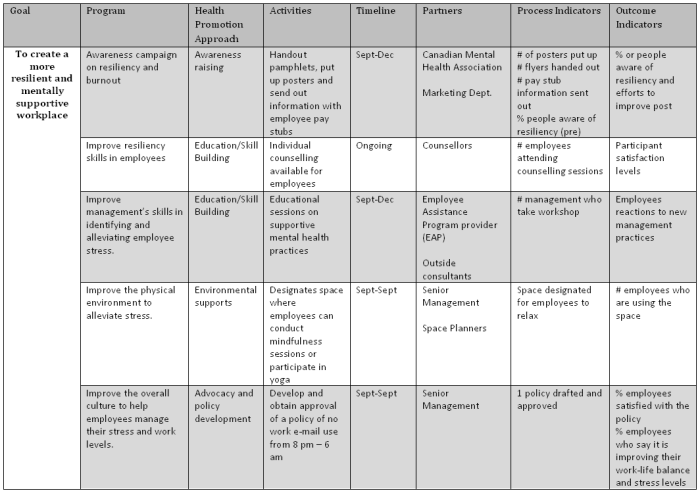
Developing a mental wellness action plan is crucial for managing and improving mental health. It provides a structured approach to addressing mental health issues, setting goals, and implementing strategies to promote well-being.
Key Components of a Mental Wellness Action Plan, How to develop a mental wellness action plan
- Set clear and achievable goals: Establish specific objectives that are realistic and measurable to track progress.
- Identify triggers and warning signs: Recognize factors that negatively impact mental health and learn to manage them effectively.
- Implement coping strategies: Develop healthy coping mechanisms such as exercise, mindfulness, and seeking social support.
- Create a support network: Build a strong support system with friends, family, or mental health professionals to provide assistance when needed.
- Evaluate and adjust: Regularly review the action plan, modify strategies as needed, and celebrate achievements along the way.
Benefits of a Structured Action Plan for Mental Health
How to develop a mental wellness action plan – Having a well-defined mental wellness action plan can significantly improve mental health outcomes by providing a roadmap for recovery and growth. It helps individuals stay focused, organized, and motivated to work towards better mental well-being. By incorporating key components like goal setting, trigger identification, coping strategies, and support systems, individuals can proactively manage their mental health and enhance their overall quality of life.
Physical Fitness and Mental Health
Physical fitness plays a crucial role in maintaining good mental health. The connection between physical activity and mental wellness is undeniable, as exercise has been shown to have numerous benefits for our psychological well-being.
Incorporating physical exercise into a mental health action plan can significantly improve mood, reduce stress and anxiety levels, boost self-esteem, and enhance cognitive function. Regular exercise can also help in combating symptoms of depression and other mental health conditions.
Benefits of Physical Exercise for Mental Well-being:
- Release of endorphins, also known as “feel-good” hormones, which can help reduce feelings of pain and stress.
- Improvement in sleep quality, which is essential for overall mental health.
- Enhancement of self-esteem and confidence through achieving fitness goals.
- Reduction in symptoms of anxiety and depression.
Examples of Physical Activities Promoting Mental Well-being:
- Cardiovascular exercises like running, cycling, or dancing can help in releasing endorphins and reducing stress.
- Yoga and Pilates can improve mindfulness, flexibility, and relaxation, aiding in stress management.
- Strength training exercises can boost self-esteem and provide a sense of accomplishment.
- Outdoor activities like hiking or gardening can enhance mood and reduce symptoms of anxiety and depression.
Healthy Eating for Mental Wellbeing: How To Develop A Mental Wellness Action Plan
Eating a nutritious diet is essential for maintaining good mental health. The food we consume directly impacts our brain function, mood, and overall mental wellbeing. A balanced diet rich in essential nutrients can support cognitive function, improve mood, and reduce the risk of mental health disorders.
The Impact of Nutrition on Mental Health
Proper nutrition plays a crucial role in the production of neurotransmitters, which are chemical messengers that regulate mood and behavior in the brain. Consuming a diet high in processed foods, sugar, and unhealthy fats can lead to imbalances in neurotransmitters, resulting in mood swings, anxiety, and depression.
How a Balanced Diet Supports Mental Wellness
A balanced diet that includes a variety of fruits, vegetables, whole grains, lean proteins, and healthy fats provides the necessary nutrients to support brain function and mental health. Omega-3 fatty acids, found in fatty fish like salmon and walnuts, are known to reduce inflammation in the brain and improve mood.
Suggestions for Incorporating Mood-Boosting Foods
- Include leafy greens like spinach and kale in your meals for a good source of folate, which is essential for neurotransmitter production.
- Snack on nuts and seeds, such as almonds and pumpkin seeds, to boost your intake of magnesium, a mineral that helps regulate mood.
- Add berries like blueberries and strawberries to your diet for their antioxidant properties, which protect the brain from oxidative stress.
- Incorporate whole grains like quinoa and brown rice for a steady supply of energy to the brain, promoting stable mood and cognition.
- Drink plenty of water throughout the day to stay hydrated, as even mild dehydration can affect cognitive function and mood.
Preventive Care Strategies
Preventive care strategies are essential for maintaining good mental health and overall well-being. By taking proactive measures, individuals can reduce the risk of developing mental health issues and ensure early intervention if needed.
Regular Screenings and Check-ups
- It is important to schedule regular mental health screenings with a healthcare professional to monitor any changes or early signs of mental health issues.
- Attend routine check-ups to discuss your mental well-being and any concerns you may have with a healthcare provider.
- Early intervention through screenings and check-ups can help in identifying and addressing mental health issues before they escalate.
Healthy Lifestyle Habits
- Engage in regular physical activity to promote the release of endorphins, which can improve mood and reduce stress levels.
- Practice relaxation techniques such as mindfulness, deep breathing, or yoga to manage stress and enhance mental resilience.
- Ensure adequate sleep and maintain a healthy diet rich in nutrients to support brain function and overall mental well-being.
Immunity Boosters for Mental Health
Boosting immunity can have a positive impact on mental wellness by reducing the risk of infections and illnesses that can contribute to stress and anxiety. A strong immune system can also help regulate inflammation in the body, which has been linked to mental health conditions like depression and anxiety.
Immunity-Boosting Foods and Supplements
Eating a diet rich in fruits, vegetables, whole grains, and lean proteins can help boost immunity. Some specific foods and supplements that are known to enhance immune function include:
- Citrus fruits like oranges, lemons, and grapefruits, which are high in vitamin C
- Yogurt and kefir, which contain probiotics that support gut health and immune function
- Garlic, which has antibacterial and antiviral properties
- Turmeric, a spice with anti-inflammatory and antioxidant effects
- Green tea, rich in antioxidants that can help protect cells from damage
- Vitamin D supplements, especially important for immune function during the winter months
Relationship between a Strong Immune System and Mental Resilience
A strong immune system can contribute to mental resilience by helping the body better cope with stress and adversity. When the immune system is functioning optimally, it can reduce inflammation in the brain and promote the production of neurotransmitters like serotonin and dopamine, which are essential for mood regulation. By incorporating immunity-boosting foods and supplements into your diet, you can support both your physical health and mental wellbeing.
Top FAQs
How often should I review and update my mental wellness action plan?
It’s recommended to review and update your action plan at least every few months to ensure it aligns with your current needs and goals.
Can I create a mental wellness action plan on my own, or should I seek professional help?
While creating a plan independently is possible, consulting with a mental health professional can provide valuable insights and personalized guidance.
Are there specific resources or tools available to assist in developing a mental wellness action plan?
Yes, various mental health apps, online resources, and worksheets are available to aid in creating and implementing your action plan.



More Stories
Role of genetics in chronic diseases: Understanding the Genetic Impact on Health
How to use turmeric for immune support: Enhancing Health with Natures Golden Spice
Daily habits to enhance your immune system with Mental Wellness, Physical Fitness, Healthy Eating, Preventive Care, Balanced Diet, Regular Exercise, Mental Health, Holistic Wellness, Chronic Diseases, and Immunity Boosters