Mental Wellness: How To Create A Holistic Wellness Space At Home
Creating a holistic wellness space at home involves paying attention to mental wellness, which is crucial for overall well-being.
Relaxation Techniques for Promoting Mental Well-being
- Practice deep breathing exercises to calm the mind and reduce stress levels.
- Engage in activities like yoga or tai chi to promote relaxation and mindfulness.
- Listen to soothing music or sounds to create a peaceful environment at home.
- Try progressive muscle relaxation to release tension and improve mental clarity.
The Role of Mindfulness Practices in Enhancing Mental Wellness
How to create a holistic wellness space at home – Mindfulness practices involve staying present in the moment and accepting thoughts and feelings without judgment, leading to improved mental well-being.
By practicing mindfulness, individuals can cultivate a greater sense of self-awareness and emotional regulation, reducing anxiety and enhancing overall mental health.
Physical Fitness
Regular physical activity is essential for maintaining overall health and well-being. When creating a holistic wellness space at home, incorporating physical fitness routines can help improve strength, flexibility, and cardiovascular health. It can also boost mood, reduce stress, and promote better sleep. Here are some examples of home workout routines to improve physical health:
Home Workout Routines
- Bodyweight exercises such as push-ups, squats, lunges, and planks can be done without any equipment and help strengthen muscles.
- Cardio workouts like jumping jacks, high knees, or dancing can elevate the heart rate and improve cardiovascular fitness.
- Yoga sequences focusing on flexibility, balance, and relaxation can enhance overall well-being.
- Pilates exercises targeting core strength, stability, and posture can help improve body alignment and prevent injuries.
Benefits of Yoga or Pilates
- Improves flexibility, balance, and posture.
- Strengthens core muscles for better stability and support.
- Enhances mindfulness and body awareness.
- Reduces stress and promotes relaxation.
- Can be adapted to different fitness levels and goals.
Healthy Eating

Healthy eating habits play a crucial role in maintaining overall well-being by providing the necessary nutrients for the body to function optimally. A balanced and nutritious diet can contribute to physical health, mental clarity, and emotional stability.
Creating a Balanced Meal Plan
When creating a meal plan at home, consider including a variety of foods from all food groups to ensure you are getting a wide range of nutrients. Here are some tips for creating a balanced and nutritious meal plan:
- Include plenty of fruits and vegetables in your meals to provide essential vitamins, minerals, and fiber.
- Incorporate whole grains such as brown rice, quinoa, and whole wheat bread for sustained energy and fiber.
- Choose lean sources of protein like poultry, fish, beans, and nuts to support muscle health and repair.
- Limit processed foods, sugary beverages, and excessive salt intake to reduce the risk of chronic diseases.
- Stay hydrated by drinking an adequate amount of water throughout the day to support digestion and overall health.
Impact of Food Choices
The food choices we make have a significant impact on both our mental and physical health. Consuming a diet rich in whole, nutrient-dense foods can boost mood, improve cognitive function, and increase energy levels. On the other hand, a diet high in processed foods, added sugars, and unhealthy fats can lead to inflammation, fatigue, and mood swings. By prioritizing healthy eating habits, we can enhance our overall well-being and quality of life.
Preventive Care
Preventive care involves taking proactive measures to maintain overall health and well-being, aiming to prevent illnesses and injuries before they occur. It plays a crucial role in promoting holistic wellness by focusing on early detection and prevention rather than just treating symptoms.
Examples of Preventive Health Measures
- Regular exercise: Engaging in physical activities like yoga, walking, or home workouts can improve cardiovascular health, strengthen muscles, and boost immunity.
- Healthy diet: Consuming a balanced diet rich in fruits, vegetables, whole grains, and lean proteins can help prevent chronic diseases like diabetes, heart disease, and obesity.
- Stress management: Practicing mindfulness, meditation, or deep breathing exercises can reduce stress levels, improve mental health, and enhance overall well-being.
- Sleep hygiene: Establishing a consistent sleep schedule and creating a relaxing bedtime routine can promote better sleep quality and overall health.
Importance of Regular Health Screenings
Regular health screenings are essential for preventive care as they help detect potential health issues early on, allowing for timely intervention and treatment. Examples of important health screenings include blood pressure checks, cholesterol tests, mammograms, colonoscopies, and annual physical exams. By staying up to date with these screenings, individuals can monitor their health status, identify risk factors, and take proactive steps to maintain wellness and prevent serious health conditions.
Balanced Diet
To maintain optimal health and overall well-being, it is crucial to follow a balanced diet that provides the necessary nutrients for the body to function properly.
Components of a Balanced Diet
- Proteins: essential for muscle growth and repair. Good sources include lean meats, poultry, fish, eggs, legumes, and dairy products.
- Carbohydrates: the body’s main source of energy. Opt for whole grains, fruits, vegetables, and legumes for sustained energy levels.
- Fats: important for hormone production and absorption of fat-soluble vitamins. Include healthy fats from sources like nuts, seeds, avocados, and olive oil.
- Vitamins and Minerals: essential for various bodily functions. Ensure a variety of fruits, vegetables, whole grains, and lean proteins to meet these needs.
- Water: crucial for hydration and proper bodily functions. Aim to drink plenty of water throughout the day.
Recipes for a Balanced Diet
Try incorporating the following meal ideas to promote a balanced diet at home:
- Grilled salmon with quinoa and steamed vegetables
- Vegetable stir-fry with tofu and brown rice
- Greek yogurt parfait with mixed berries and granola
Relationship Between Balanced Diet and Overall Well-being
A balanced diet plays a crucial role in promoting overall well-being. By providing the body with essential nutrients, a balanced diet can help improve energy levels, mood, cognitive function, and overall health. It also reduces the risk of chronic diseases and supports a healthy weight. Embracing a balanced diet is key to achieving holistic wellness.
Regular Exercise
Regular exercise is essential for maintaining both physical and mental well-being. Not only does it help improve cardiovascular health, strengthen muscles, and boost immunity, but it also plays a crucial role in reducing stress, anxiety, and depression. Creating a personalized exercise routine and sticking to it can have numerous benefits for overall health.
Creating an Exercise Routine
Creating an exercise routine tailored to individual needs involves considering factors such as fitness goals, current fitness level, any health conditions, and personal preferences. It is important to choose a combination of cardiovascular exercises, strength training, flexibility exercises, and balance exercises to ensure a well-rounded routine. Consulting with a fitness professional or healthcare provider can help in designing a safe and effective exercise plan.
Importance of Consistency
Consistency is key when it comes to maintaining a regular exercise regimen. By sticking to a consistent schedule, individuals can build healthy habits, improve fitness levels, and achieve long-term health benefits. Setting realistic goals, tracking progress, and making exercise a priority can help in staying motivated and committed to a regular exercise routine.
Mental Health
Mental health is a crucial aspect of overall well-being that encompasses emotional, psychological, and social well-being. It affects how we think, feel, and act, influencing how we handle stress, relate to others, and make choices. Mental wellness, on the other hand, refers to the state of well-being in which an individual realizes their abilities, copes with the normal stresses of life, works productively, and contributes to their community.
Strategies for Improving Mental Health, How to create a holistic wellness space at home
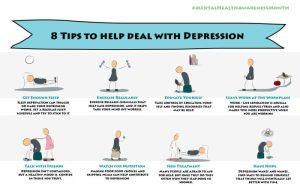
Improving mental health can be achieved through various activities that can be done at home. It is essential to prioritize self-care and mental well-being to maintain a healthy mind. Here are some strategies to improve mental health:
- Practice mindfulness and meditation daily to reduce stress and promote relaxation.
- Engage in hobbies or activities that bring joy and fulfillment.
- Stay connected with loved ones through virtual means or social distancing-appropriate activities.
- Establish a routine to provide structure and stability in daily life.
- Get regular exercise to release endorphins and improve mood.
Seeking Professional Help for Mental Health Concerns
It is important to recognize when professional help is needed for mental health concerns. Seeking support from mental health professionals can provide valuable guidance, therapy, and treatment for various mental health conditions. If you or someone you know is experiencing persistent feelings of sadness, anxiety, or other mental health symptoms that interfere with daily life, do not hesitate to reach out for professional help.
Holistic Wellness
Holistic wellness is an approach to overall well-being that considers the interconnectedness of the mind, body, and spirit. It emphasizes the importance of addressing all aspects of a person’s health to achieve optimal wellness.
Integrating Various Wellness Practices at Home
By integrating various wellness practices at home, you can create a holistic space that nurtures your mental, physical, and emotional well-being. This can include creating a peaceful environment through meditation or mindfulness practices, incorporating physical activity into your daily routine, and cultivating healthy relationships with yourself and others.
- Creating a designated relaxation area in your home where you can unwind and destress.
- Practicing yoga or tai chi to improve flexibility, strength, and mental clarity.
- Engaging in creative activities such as painting, writing, or playing music to stimulate your mind and express your emotions.
- Eating nourishing whole foods that fuel your body and support your overall health.
- Connecting with nature by spending time outdoors, gardening, or bringing plants into your living space.
- Engaging in regular self-care practices such as skincare routines, baths, or journaling to prioritize your well-being.
Chronic Diseases
Chronic diseases can have a significant impact on overall wellness, affecting both physical health and mental well-being. These conditions, such as heart disease, diabetes, and cancer, often require long-term management and can lead to complications if not properly addressed.
Preventive Measures for Chronic Diseases
Preventing chronic diseases is essential for maintaining holistic wellness. Here are some preventive measures to reduce the risk of developing chronic conditions:
- Adopting a healthy lifestyle with regular exercise and balanced diet.
- Managing stress through relaxation techniques like meditation and yoga.
- Regular health check-ups and screenings to detect any early signs of chronic diseases.
- Avoiding tobacco and excessive alcohol consumption.
- Maintaining a healthy weight and managing chronic conditions like hypertension and high cholesterol.
Managing Chronic Diseases at Home
When dealing with chronic diseases, it is important to incorporate a holistic approach to wellness at home. Here are some insights on managing chronic conditions within a holistic framework:
- Creating a supportive environment that promotes healthy habits and routines.
- Engaging in regular physical activity tailored to your condition and abilities.
- Following a balanced diet that meets your nutritional needs and supports overall health.
- Seeking emotional support from loved ones or a mental health professional to cope with the challenges of living with a chronic illness.
- Practicing self-care activities that promote relaxation and reduce stress levels.
Immunity Boosters
Immunity boosters play a crucial role in maintaining overall health and well-being. A strong immune system can help defend the body against various illnesses and diseases, making it essential to incorporate immunity-boosting foods, supplements, and lifestyle habits into your daily routine.
Natural Immunity-Boosting Foods and Supplements
- Citrus fruits such as oranges, lemons, and grapefruits are rich in Vitamin C, which is known to boost immunity.
- Garlic contains allicin, a compound that has immune-boosting properties and can help fight infections.
- Yogurt and other probiotic-rich foods help promote a healthy gut, which is essential for a strong immune system.
- Turmeric, a spice with anti-inflammatory properties, can help enhance immunity when consumed regularly.
- Elderberry supplements are believed to have antiviral properties and can aid in boosting the immune system.
Lifestyle Habits for Strengthening the Immune System
- Getting an adequate amount of sleep is crucial for a healthy immune system, as lack of sleep can weaken immunity.
- Regular physical activity can help improve circulation and strengthen the immune system.
- Managing stress through techniques like meditation, yoga, or deep breathing exercises can have a positive impact on immune function.
- Staying hydrated by drinking plenty of water helps flush out toxins from the body and supports immune health.
- Limiting sugar and processed foods in your diet can prevent inflammation and support a strong immune response.
Expert Answers
How can I incorporate mindfulness practices into my daily routine at home?
To integrate mindfulness into your daily routine, you can start with simple practices like deep breathing exercises, meditation, or mindful eating. Find moments throughout the day to pause, breathe, and connect with the present moment.
What are some examples of preventive health measures that can be easily implemented at home?
Preventive health measures at home can include regular exercise, maintaining a balanced diet, staying hydrated, getting an adequate amount of sleep, and managing stress effectively. These small lifestyle changes can have a big impact on your overall well-being.
How do I create a balanced and nutritious meal plan for my family?
Creating a balanced meal plan involves incorporating a variety of fruits, vegetables, whole grains, lean proteins, and healthy fats. Plan your meals ahead of time, involve your family in meal preparation, and focus on nutrient-dense foods to ensure a well-rounded and nutritious diet.

More Stories
Exercise, Heart Health, and Longevity: A Powerful Link
How a Balanced Diet Supports Energy and Vitality
Regular exercise routines for weight loss: Achieving a healthier you