Mental Wellness
Regular exercise routines for weight loss not only benefit the body but also play a crucial role in improving mental well-being. A positive mindset is essential for a successful weight loss journey as it helps in staying motivated, managing stress, and enhancing overall happiness.
Strategies for Improving Mental Health
- Practice mindfulness and meditation to reduce anxiety and promote emotional balance.
- Engage in stress-relieving activities such as yoga or deep breathing exercises.
- Socialize with supportive friends and family members to boost mood and motivation.
- Set realistic goals and celebrate small achievements to maintain a positive outlook.
Impact of a Positive Mindset
Maintaining a positive mindset while following an exercise routine can significantly impact the weight loss journey. A positive outlook can increase adherence to the workout plan, improve self-esteem, and enhance overall well-being. By focusing on the progress made and embracing a can-do attitude, individuals are more likely to achieve their weight loss goals successfully.
Physical Fitness
Regular exercise is essential for weight loss and overall health. Different forms of physical fitness play a crucial role in achieving fitness goals and maintaining a healthy lifestyle.
Types of Exercises for Weight Loss
- Cardiovascular Exercises: Cardio workouts like running, cycling, or aerobics help burn calories and improve heart health. They are effective for weight loss as they increase the heart rate and boost metabolism.
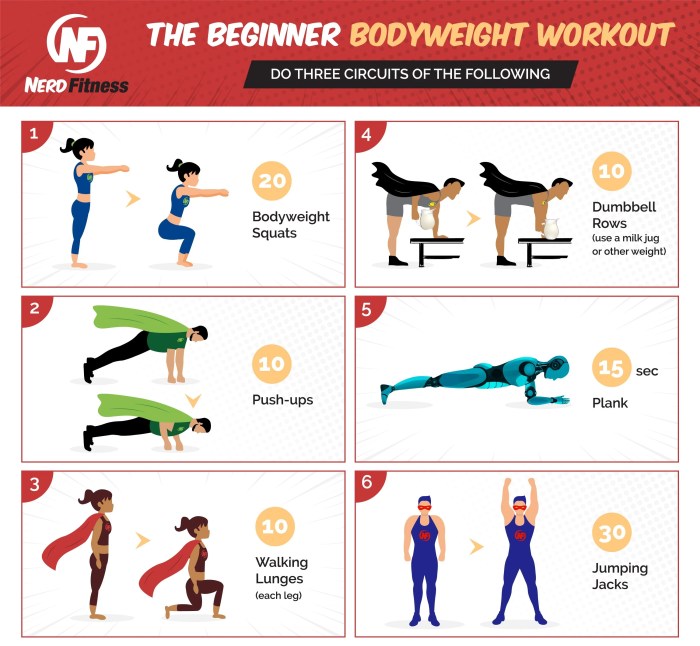
- Strength Training: Strength training exercises, such as weight lifting or bodyweight exercises, help build muscle mass. Muscle burns more calories at rest, contributing to weight loss and improving overall body composition.
- Flexibility Exercises: Stretching and flexibility exercises like yoga or Pilates improve range of motion, reduce the risk of injuries, and enhance recovery. While they may not directly burn as many calories as cardio or strength training, they are essential for maintaining overall fitness and preventing muscle imbalances.
Contribution to Overall Health
- Cardiovascular Health: Cardio exercises improve heart function, increase endurance, and reduce the risk of chronic diseases like heart disease and diabetes.
- Strength and Muscle Health: Strength training helps build and maintain muscle mass, which is crucial for metabolism, bone health, and functional movement.
- Flexibility and Mobility: Flexibility exercises improve joint health, posture, and range of motion, reducing the risk of injuries and enhancing overall physical performance.
Benefits of Different Exercises for Weight Loss Goals
- Cardio: Effective for burning calories, increasing metabolism, and improving cardiovascular health.
- Strength Training: Helps build muscle mass, increase metabolism, and enhance overall body composition for long-term weight management.
- Flexibility Exercises: Essential for injury prevention, muscle balance, and overall functional fitness, supporting weight loss efforts by ensuring proper movement patterns and recovery.
Healthy Eating
Proper nutrition plays a crucial role in supporting weight loss efforts and overall health. By fueling our bodies with nutrient-dense foods, we can optimize our exercise routines and achieve sustainable results. Here are some examples of nutritious foods that complement a regular exercise routine for weight loss:
Nutritious Foods for Weight Loss
- Lean protein sources such as chicken, turkey, fish, tofu, and legumes help build and repair muscles, supporting fat loss.
- Colorful fruits and vegetables provide essential vitamins, minerals, and antioxidants while being low in calories.
- Whole grains like quinoa, brown rice, and oats offer fiber for satiety and sustained energy levels.
- Healthy fats from sources like avocado, nuts, seeds, and olive oil support hormone regulation and brain function.
- Dairy or dairy alternatives provide calcium for bone health and can aid in weight management when consumed in moderation.
A balanced diet is essential for achieving weight loss results as it ensures that our bodies receive the necessary nutrients for optimal functioning. When paired with regular exercise, a balanced diet can help create a calorie deficit, leading to fat loss while preserving lean muscle mass.
Significance of Balanced Diet
Regular exercise routines for weight loss – Eating a variety of foods in appropriate portions helps regulate metabolism, control hunger, and maintain energy levels during workouts. By consuming a balance of carbohydrates, proteins, fats, vitamins, and minerals, individuals can support their weight loss goals and overall well-being.
Healthy eating habits are closely linked to sustainable weight management. By adopting a nutritious diet and making mindful food choices, individuals can develop a positive relationship with food, leading to long-term success in maintaining a healthy weight. Consistency in healthy eating habits, combined with regular exercise, is key to achieving and sustaining weight loss goals.
Preventive Care
Regular exercise routines play a crucial role in preventive care by helping to reduce the risk of various health conditions. By incorporating exercise into your weight loss journey, you can proactively maintain your overall well-being and prevent potential health issues. Here are some tips on how to integrate preventive health measures alongside exercise for optimal results:
Importance of Preventive Care
- Regular exercise can help lower the risk of chronic diseases such as heart disease, diabetes, and obesity.
- Exercise boosts the immune system, making your body more resilient to illnesses and infections.
- Physical activity can improve mental health and reduce stress, anxiety, and depression.
Incorporating Preventive Health Measures
- Include a variety of exercises in your routine to target different muscle groups and improve overall fitness.
- Stay hydrated and maintain a balanced diet rich in fruits, vegetables, lean proteins, and whole grains.
- Get regular check-ups and screenings to monitor your health and catch any issues early on.
- Practice stress-reducing activities such as yoga, meditation, or deep breathing exercises to support your mental well-being.
Balanced Diet
Maintaining a balanced diet is crucial for supporting weight loss efforts. A well-rounded diet provides the necessary nutrients for overall health while promoting weight management. In combination with regular exercise, a balanced diet can help individuals achieve their weight loss goals effectively.
Components of a Balanced Diet for Weight Loss
- Protein: Protein is essential for muscle repair and growth, and it can also help increase satiety. Include lean sources of protein such as chicken, fish, tofu, and legumes in your meals.
- Vegetables and Fruits: These are rich in vitamins, minerals, and fiber, which are important for overall health and digestion. Aim to fill half your plate with colorful fruits and vegetables.
- Whole Grains: Whole grains provide fiber and energy, helping you feel full and satisfied. Opt for whole grains like quinoa, brown rice, and oats instead of refined grains.
- Healthy Fats: Incorporate sources of healthy fats such as avocados, nuts, seeds, and olive oil in your diet. These fats can support brain function and heart health.
- Dairy or Alternatives: Calcium-rich foods like dairy products or fortified alternatives are important for bone health. Choose low-fat or non-fat options to reduce saturated fat intake.
- Hydration: Staying hydrated is key for overall health and weight management. Drink plenty of water throughout the day and limit sugary beverages.
Sample Meal Plan for Weight Loss
| Meal | Food | Portion Size |
|---|---|---|
| Breakfast | Greek yogurt with berries and almonds | 1 cup yogurt, 1/2 cup berries, 1 oz almonds |
| Lunch | Grilled chicken salad with mixed greens and vinaigrette | 4 oz chicken, unlimited greens, 2 tbsp vinaigrette |
| Snack | Carrot sticks with hummus | 1 cup carrots, 2 tbsp hummus |
| Dinner | Baked salmon with quinoa and steamed broccoli | 4 oz salmon, 1/2 cup quinoa, 1 cup broccoli |
Importance of Portion Control and Meal Timing
- Portion Control: Monitoring portion sizes can prevent overeating and help manage calorie intake. Use smaller plates, measure serving sizes, and be mindful of portion sizes to avoid consuming excess calories.
- Meal Timing: Eating regular meals and snacks throughout the day can help maintain stable blood sugar levels and prevent excessive hunger. Aim for balanced meals every 3-4 hours to keep energy levels up and cravings at bay.
Regular Exercise
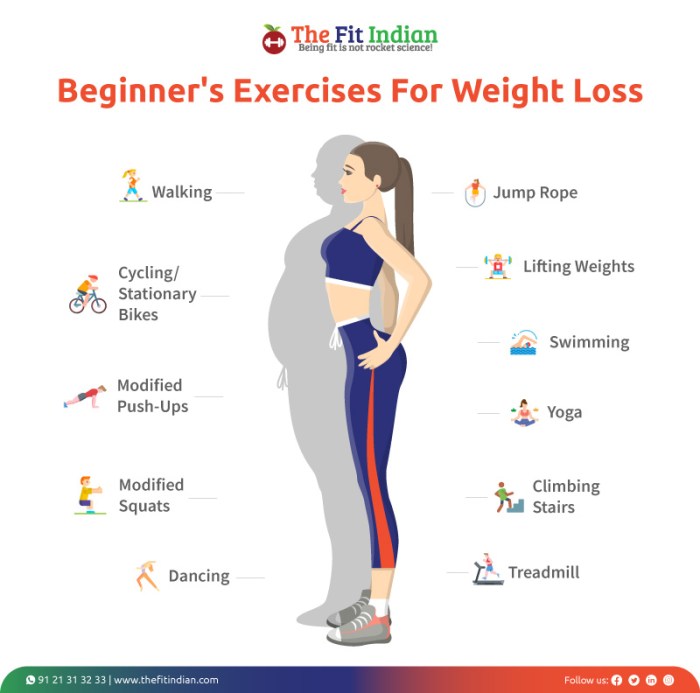
Regular exercise plays a crucial role in achieving sustainable weight loss. Consistency in physical activity not only helps in burning calories but also boosts metabolism, improves cardiovascular health, and enhances overall well-being. To effectively lose weight and maintain a healthy lifestyle, it is essential to establish a personalized exercise routine tailored to your specific weight loss goals and preferences.
Significance of Consistency in Exercise
Consistency in exercise is key to sustainable weight loss. By sticking to a regular workout routine, you can gradually build strength, endurance, and muscle mass, which are essential for boosting metabolism and burning more calories. Regular physical activity also helps in reducing stress, improving mood, and enhancing sleep quality, all of which contribute to a healthier lifestyle.
Tips for Creating a Personalized Exercise Routine
- Set realistic and achievable goals based on your fitness level and weight loss targets. Consult with a fitness professional to create a personalized workout plan.
- Incorporate a mix of cardiovascular exercises, strength training, and flexibility exercises to target different muscle groups and improve overall fitness.
- Choose activities that you enjoy and are more likely to stick with in the long run. This could be anything from walking, running, cycling, swimming, to group fitness classes or sports.
- Track your progress, adjust your routine as needed, and stay motivated by celebrating small victories along the way.
Impact of Varying Workout Intensities
Varying workout intensities can have a significant impact on weight loss progress. High-intensity interval training (HIIT), for example, has been shown to be effective in burning calories and improving cardiovascular fitness in a shorter amount of time. On the other hand, low to moderate-intensity exercises like brisk walking or yoga can help in building endurance and promoting recovery. Mixing up your workout intensities can prevent plateaus, challenge your body, and maximize results in your weight loss journey.
Mental Health: Regular Exercise Routines For Weight Loss
Regular exercise is not just about physical health; it also plays a crucial role in mental well-being. When it comes to weight loss, mental health influences motivation and adherence to exercise routines in significant ways.
Influence on Motivation and Adherence
Mental health can greatly impact an individual’s motivation to stick to an exercise routine for weight loss. Positive mental well-being can increase self-confidence, boost mood, and provide a sense of accomplishment, all of which can help in staying committed to the workout plan. On the other hand, stress, anxiety, or depression can lead to lack of motivation and consistency in following the exercise regimen.
Strategies for Managing Stress and Emotional Well-being
- Practice mindfulness techniques such as meditation or deep breathing exercises to reduce stress levels.
- Engage in activities that you enjoy and that help you relax, such as yoga or listening to music.
- Seek support from friends, family, or a therapist to talk about your emotions and challenges during the weight loss journey.
- Set realistic goals and celebrate small achievements to boost your emotional well-being.
Connection between Mental Health and Physical Health Outcomes, Regular exercise routines for weight loss
Mental health and physical health are closely intertwined, especially in the context of weight loss. Poor mental well-being can lead to unhealthy coping mechanisms like emotional eating or avoiding exercise, which can hinder weight loss progress. On the other hand, a positive mindset can lead to better adherence to healthy habits, resulting in improved physical health outcomes.
Holistic Wellness
When it comes to enhancing the effectiveness of exercise routines for weight loss, taking a holistic approach to wellness can make a significant difference. By considering not just physical fitness, but also mental and emotional well-being, individuals can achieve a more balanced and sustainable approach to weight management.
Integration of Mental, Physical, and Emotional Well-being
A holistic wellness plan integrates mental, physical, and emotional well-being to create a comprehensive approach to health. This means that in addition to regular exercise, individuals should also focus on activities that promote mental clarity and emotional balance. By addressing all aspects of wellness, individuals can better manage stress, improve overall health, and enhance the effectiveness of their weight loss efforts.
Holistic Practices for Overall Health
- Yoga and meditation: Practicing yoga and meditation can help reduce stress, improve mental focus, and promote emotional well-being. These practices can complement regular exercise routines and enhance the overall effectiveness of weight loss efforts.
- Healthy eating habits: A holistic approach to wellness also involves paying attention to nutrition. Consuming a balanced diet rich in fruits, vegetables, lean proteins, and whole grains can support physical health and weight management.
- Mindful movement: Engaging in activities like tai chi or qigong can help improve balance, flexibility, and mental clarity. These practices can be a valuable addition to a regular exercise routine for holistic wellness.
- Connecting with nature: Spending time outdoors and connecting with nature can have a positive impact on mental and emotional well-being. Whether it’s going for a hike, taking a walk in the park, or simply enjoying the fresh air, nature can provide a sense of peace and rejuvenation.
Chronic Diseases
Regular exercise routines play a crucial role in preventing and managing chronic diseases that are often associated with weight gain. By incorporating physical activity into your daily routine, you can significantly reduce the risk of developing conditions such as diabetes, heart disease, and hypertension.
Impact of Exercise on Chronic Diseases
- Regular physical activity helps to improve insulin sensitivity, reducing the likelihood of developing type 2 diabetes.
- Exercise can lower blood pressure and improve cardiovascular health, reducing the risk of heart disease and stroke.
- Engaging in regular exercise boosts immune function, reducing the risk of chronic inflammation and associated diseases.
Lifestyle Interventions and Chronic Disease Outcomes
Exercise is not just about weight loss; it is about improving overall health and reducing the impact of chronic diseases.
Regular physical activity, when combined with healthy eating habits and proper preventive care, can lead to better management of chronic conditions. Lifestyle interventions that include exercise have been shown to improve outcomes for individuals living with chronic diseases.
Role of Exercise in Managing Chronic Conditions and Weight Loss
- A case study showed that a consistent exercise routine helped a patient with hypertension reduce their blood pressure and lower their medication dosage.
- Success stories of individuals with diabetes have highlighted how regular exercise and a balanced diet can lead to better blood sugar control and weight management.
- Incorporating exercise into daily life has been shown to improve quality of life for individuals with chronic conditions, leading to increased mobility and overall well-being.
Immunity Boosters
Regular exercise plays a crucial role in strengthening the immune system and promoting overall health. By engaging in specific exercises or activities, individuals can boost their immunity while supporting weight loss efforts. This connection between immunity, exercise, and weight management is essential for maintaining a healthy lifestyle.
Benefits of Exercise for Immunity
Regular physical activity has been shown to improve immune function by promoting good circulation, which allows immune cells to move freely throughout the body. Exercise also helps reduce inflammation, which can contribute to various chronic diseases. Additionally, staying active can lower stress levels, another factor that can weaken the immune system.
Specific Exercises for Immune Support
- Aerobic exercises like running, brisk walking, or cycling can help increase the production of white blood cells, which are essential for fighting off infections.
- Strength training exercises, such as weight lifting or bodyweight exercises, can improve overall body function and support a healthy immune response.
- Yoga and Pilates can help reduce stress levels, improve flexibility, and enhance overall well-being, all of which contribute to a stronger immune system.
Immunity, Exercise, and Weight Management
Regular exercise not only helps boost immunity but also plays a significant role in weight management. By engaging in physical activity, individuals can burn calories, build muscle, and improve their metabolism, all of which are essential for achieving and maintaining a healthy weight. A healthy weight, in turn, supports overall health and immune function, creating a positive cycle that promotes a balanced and thriving lifestyle.
FAQ Guide
How important is mental wellness in weight loss?
Mental wellness plays a crucial role in weight loss by influencing motivation, adherence to exercise routines, and overall well-being.
What types of exercises are effective for weight loss?
Effective exercises for weight loss include cardio, strength training, and flexibility exercises that contribute to overall health.
Why is preventive care important in weight loss?
Preventive care alongside regular exercise routines can help in maintaining overall well-being and preventing certain health conditions during the weight loss journey.


More Stories
Exercise, Heart Health, and Longevity: A Powerful Link
How a Balanced Diet Supports Energy and Vitality
How to Create a Holistic Wellness Space at Home: A Comprehensive Guide