Mental Wellness
Regular physical exercise plays a crucial role in maintaining mental wellness. The connection between physical fitness and mental health is well-established, with exercise being linked to improved mood, reduced stress, and enhanced cognitive function.
Improved Mood
Regular exercise has been shown to release endorphins, often referred to as “feel-good” hormones. These endorphins act as natural mood lifters, helping to alleviate symptoms of anxiety and depression. Engaging in physical activity can boost self-esteem and overall emotional well-being.
Stress Reduction
Exercise is a powerful stress reliever, as it helps to reduce levels of the body’s stress hormones, such as cortisol. Physical activity can also increase the production of neurotransmitters like serotonin, which are known to regulate mood and promote relaxation. This can lead to a calmer mind and better ability to cope with daily stressors.
Enhanced Cognitive Function
Regular physical fitness has been linked to improved cognitive function and better memory retention. Exercise increases blood flow to the brain, promoting the growth of new brain cells and enhancing neural connections. This can result in sharper focus, better concentration, and overall cognitive performance.
Impact on Overall Well-Being
Mental wellness is a key component of overall well-being, as it influences how we think, feel, and act on a daily basis. By incorporating regular exercise into our routine, we can support our mental health and enjoy a higher quality of life. Prioritizing physical fitness can lead to improved sleep, increased energy levels, and a greater sense of overall happiness and fulfillment.
Physical Fitness
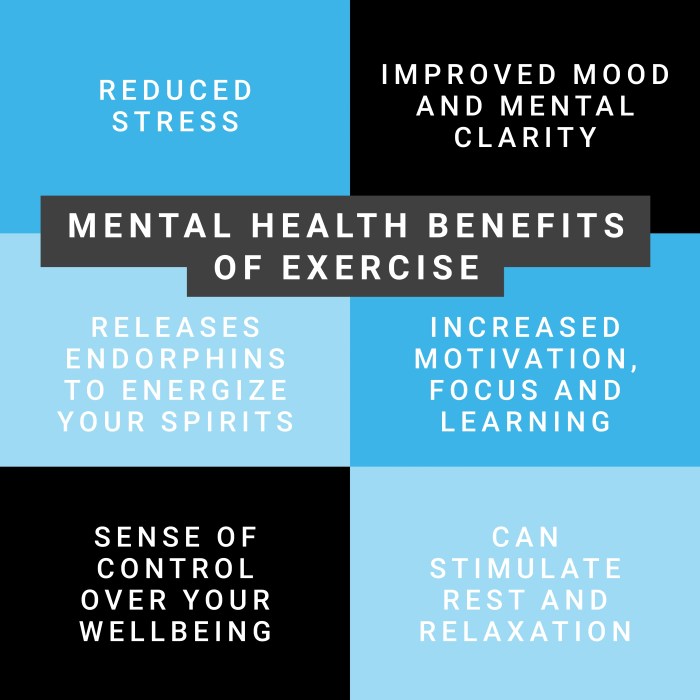
Regular physical activity is not only crucial for maintaining a healthy body but also plays a significant role in promoting mental well-being. The benefits of physical fitness for mental health are numerous and impactful.
Various Types of Exercise
- Cardiovascular exercises, such as running, swimming, or cycling, help in releasing endorphins, also known as “feel-good” hormones, which can reduce symptoms of depression and anxiety.
- Strength training exercises, like weightlifting or bodyweight exercises, can improve self-esteem and cognitive function, leading to a more positive outlook on life.
- Yoga and Pilates focus on mindfulness, breathing techniques, and relaxation, which can reduce stress levels and improve overall mental health.
Role in Reducing Stress and Anxiety
Physical activity serves as a natural stress reliever by reducing the levels of cortisol, the stress hormone, in the body. Engaging in regular exercise can help manage anxiety symptoms and provide a healthy outlet for pent-up emotions. Additionally, the sense of accomplishment and empowerment gained from sticking to a fitness routine can boost confidence and resilience in dealing with life’s challenges.
Healthy Eating
Importance of physical fitness for mental health – Proper nutrition plays a crucial role in supporting mental health by providing the necessary nutrients for optimal brain function and overall well-being.
Importance of Nutrition for Mental Health
A balanced diet rich in essential vitamins, minerals, antioxidants, and omega-3 fatty acids is essential for maintaining brain health and supporting cognitive function. Nutrient deficiencies can lead to mood disorders, cognitive impairments, and overall mental health issues.
Foods to Boost Mood and Cognitive Function
- Fatty Fish (salmon, mackerel, sardines): Rich in omega-3 fatty acids, essential for brain health and mood regulation.
- Leafy Greens (spinach, kale): High in folate, which plays a key role in neurotransmitter function and mood regulation.
- Berries (blueberries, strawberries): Packed with antioxidants that help protect brain cells from damage and improve cognitive function.
- Nuts and Seeds (walnuts, flaxseeds): Good sources of vitamin E, omega-3 fatty acids, and antioxidants that support brain health.
- Dark Chocolate: Contains flavonoids that can improve mood and cognitive function by increasing blood flow to the brain.
Relationship Between Balanced Diet and Mental Well-Being
Eating a varied and balanced diet not only provides the necessary nutrients for optimal brain function but also helps regulate blood sugar levels, improve gut health, and reduce inflammation – all of which are linked to mental health and well-being.
Preventive Care
Regular physical activity plays a crucial role in preventive care for mental health conditions. By incorporating exercise into our daily routines, we can significantly reduce the risk of developing mental health disorders. Here are some tips on how to integrate preventive care practices into your daily life:
Benefits of Physical Activity
- Exercise helps in reducing stress and anxiety levels, which are common precursors to mental health issues.
- Physical activity promotes the release of endorphins, also known as “feel-good” hormones, which can improve mood and overall mental well-being.
- Regular exercise can enhance sleep quality, which is essential for mental health maintenance.
Incorporating Exercise Into Daily Routine
- Start with small, manageable goals and gradually increase the intensity and duration of your workouts.
- Find physical activities that you enjoy, whether it’s dancing, cycling, or simply going for a walk in nature.
- Include exercise in your daily schedule by blocking out specific time slots for workouts.
- Consider joining group fitness classes or exercising with a friend to stay motivated and accountable.
Balanced Diet
A balanced diet plays a crucial role in maintaining good mental health. The food we consume provides the necessary nutrients for our brain to function optimally, affecting our mood, focus, and overall mental wellness.
Essential Nutrients for Brain Function
- Omega-3 fatty acids: Found in fatty fish like salmon and walnuts, omega-3s are essential for brain health and have been linked to improved mood and cognitive function.
- Vitamins B6 and B12: These vitamins are important for neurotransmitter synthesis, which affects mood regulation and cognitive function. Sources include poultry, fish, and dairy products.
- Antioxidants: Found in fruits and vegetables, antioxidants help reduce oxidative stress in the brain, protecting against cognitive decline and promoting overall mental well-being.
Impact of Diet on Mood and Focus
A diet high in processed foods, sugar, and unhealthy fats can lead to inflammation in the brain, impacting mood stability and cognitive function. On the other hand, a diet rich in whole foods like fruits, vegetables, whole grains, and lean proteins can support mental clarity, focus, and emotional well-being.
Regular Exercise
Regular exercise is crucial for promoting mental well-being as it not only improves physical health but also has a significant impact on mental health. Consistency in physical activity is key to reaping the mental health benefits that exercise offers. Establishing a regular exercise routine can be a powerful tool in supporting mental wellness and overall well-being.
Recommended Amount of Exercise
To promote mental well-being, it is recommended to engage in at least 150 minutes of moderate-intensity aerobic activity or 75 minutes of vigorous-intensity aerobic activity per week. This can be spread out over the course of the week to ensure consistency and maximize the mental health benefits of exercise.
Relationship between Consistency and Mental Health Benefits
Consistency in physical activity plays a critical role in reaping the mental health benefits of exercise. By sticking to a regular exercise routine, individuals can experience reduced symptoms of anxiety, depression, and stress. Exercise releases endorphins, also known as “feel-good” hormones, which can improve mood and overall mental well-being.
Tips for Establishing a Regular Exercise Routine
- Set specific and achievable goals: Define clear exercise goals that are realistic and attainable to stay motivated.
- Find activities you enjoy: Choose exercises that you find enjoyable and engaging to increase adherence to your routine.
- Start small and gradually increase intensity: Begin with manageable exercise sessions and gradually increase the duration and intensity to avoid burnout.
- Schedule exercise into your daily routine: Treat exercise like any other important appointment and allocate time for it in your schedule.
- Stay accountable: Partner up with a friend, join a fitness class, or hire a personal trainer to stay accountable and motivated.
Mental Health: Importance Of Physical Fitness For Mental Health
Physical fitness plays a crucial role in the management of mental health conditions. Engaging in regular exercise and maintaining a healthy lifestyle can have significant benefits for one’s mental well-being.
Benefits of Physical Activity for Mental Health
- Reduces symptoms of anxiety and depression: Exercise releases endorphins, which are known as “feel-good” hormones that can help alleviate symptoms of anxiety and depression.
- Improves cognitive function: Physical activity has been linked to improved cognitive function and can help enhance memory, focus, and overall brain health.
- Boosts self-esteem and confidence: Regular exercise can boost self-esteem and confidence levels, leading to a more positive outlook on life.
Mental Health Disorders that Benefit from Physical Activity
- Depression: Physical activity has been shown to be effective in reducing symptoms of depression and improving mood.
- Anxiety disorders: Exercise can help reduce feelings of anxiety and stress, promoting a sense of calm and relaxation.
- ADHD: Regular physical activity can improve focus, attention, and impulse control in individuals with ADHD.
Holistic Approach to Mental Health, Importance of physical fitness for mental health
A holistic approach to mental health involves addressing all aspects of a person’s well-being, including physical, emotional, and social factors. Physical fitness is a key component of this approach, as it can help improve overall mental well-being and quality of life.
Holistic Wellness
Holistic wellness refers to the approach of caring for the entire person, including physical, mental, emotional, and spiritual well-being. It emphasizes the interconnectedness of these aspects and the importance of addressing them collectively for overall health.
Physical fitness plays a crucial role in holistic wellness, as it not only improves physical health but also has a significant impact on mental well-being. Regular exercise releases endorphins, which are known as “feel-good” hormones, helping to reduce stress, anxiety, and symptoms of depression. By incorporating physical activity into daily routines, individuals can enhance their overall quality of life and maintain a balanced state of wellness.
Practices that Support Holistic Wellness for Mental Health
- Yoga and Meditation: Engaging in yoga and meditation practices can help reduce stress, promote relaxation, and improve mental clarity.
- Mindful Eating: Being mindful of food choices and eating habits can positively impact mental health by providing essential nutrients for brain function and overall well-being.
- Social Connections: Building and maintaining strong social connections can contribute to mental wellness by providing support, companionship, and a sense of belonging.
- Therapy and Counseling: Seeking professional help through therapy or counseling can address mental health challenges and provide strategies for coping and healing.
Chronic Diseases
Regular physical fitness plays a crucial role in preventing chronic diseases that can have a significant impact on mental health. By incorporating exercise into daily routines, individuals can reduce the risk of developing various conditions and improve their overall well-being.
Examples of Chronic Conditions Managed with Exercise
- Cardiovascular Diseases: Regular physical activity such as aerobic exercises, like running or swimming, can help strengthen the heart muscle, improve circulation, and lower blood pressure, reducing the risk of heart disease.
- Diabetes: Exercise plays a key role in managing blood sugar levels and improving insulin sensitivity, which is essential for individuals with diabetes to control their condition effectively.
- Obesity: Physical fitness helps in weight management, reducing the risk of obesity-related illnesses such as hypertension, stroke, and certain types of cancer.
Overall Benefits of Regular Physical Activity
- Strengthening the Immune System: Regular exercise enhances the immune system, reducing the likelihood of developing chronic conditions by fighting off infections and diseases more effectively.
- Improving Mental Health: Physical activity releases endorphins, also known as “feel-good” hormones, which can help alleviate symptoms of anxiety and depression, promoting better mental well-being.
- Enhancing Quality of Life: By reducing the risk of chronic diseases and improving overall health, regular physical activity can lead to a better quality of life, increased longevity, and greater independence in older age.
Immunity Boosters
Regular physical fitness plays a crucial role in boosting immunity and supporting overall health. A strong immune system is essential for fighting off infections and diseases, and exercise can significantly contribute to enhancing our body’s defense mechanisms. Moreover, the connection between a robust immune system and mental well-being is undeniable, as a healthy body often leads to a healthy mind.
Exercises to Enhance Immunity and Mental Health
Regular cardiovascular exercises such as running, swimming, or cycling can help improve circulation and strengthen the immune system. These activities not only boost physical health but also release endorphins that elevate mood and reduce stress, ultimately benefiting mental well-being. Additionally, engaging in activities like yoga or tai chi can enhance flexibility, reduce inflammation, and promote relaxation, all of which are beneficial for both immunity and mental health.
Nutritious Diet for Immunity and Mental Wellness
Eating a balanced diet rich in fruits, vegetables, lean proteins, and whole grains provides essential nutrients that support the immune system and overall health. Foods high in antioxidants, vitamins, and minerals help combat free radicals and reduce inflammation, leading to improved immunity and mental well-being. Incorporating probiotics and prebiotics into your diet can also promote gut health, which is closely linked to immune function and mental health.
Quality Sleep for Immune Function and Mental Clarity
Getting an adequate amount of quality sleep is crucial for immune function and mental clarity. During sleep, the body repairs tissues, regulates hormones, and strengthens the immune system. Chronic sleep deprivation can weaken immune responses and increase the risk of mental health disorders. Prioritizing good sleep hygiene and establishing a consistent bedtime routine can significantly benefit both immunity and mental well-being.
Quick FAQs
How does physical fitness impact mental wellness?
Regular physical activity can improve mood, reduce stress, and enhance cognitive function, leading to better mental well-being.
What role does healthy eating play in supporting mental health?
Nutritious foods can help boost mood and cognitive function, contributing to overall mental well-being.
How can preventive care practices benefit mental health?
Regular physical activity and a balanced diet can reduce the risk of developing mental health disorders, promoting overall well-being.
Is there a recommended amount of exercise for mental well-being?
Experts recommend at least 150 minutes of moderate-intensity exercise per week for optimal mental health benefits.
What is the connection between physical fitness and managing mental health conditions?
Physical fitness can play a significant role in managing mental health disorders and improving overall well-being through regular exercise.



More Stories
Preventive Care Services Covered by Health Insurance